Getting a thread lift is an exciting step toward younger-looking skin. But what happens when things do not go as planned? If you are dealing with puckering, severe swelling, visible threads, or constant pain, you might feel anxious and unsure of what to do next. It is completely normal to feel worried when your skin does not look or feel the way you expected after a cosmetic procedure.
The good news is that many post-procedure issues can be managed with the right care. Knowing the best aftercare routine for women after thread lift problem situations can help soothe your skin and prevent further complications. Sometimes, a few simple adjustments at home can make a massive difference in how your face heals.
However, if your symptoms persist or look worrying, seeking professional guidance is crucial. For those living in Delhi NCR, you can book a consultation with Dr. Pretty Skin at Pretty Skin Clinic here → https://prettyskin.in/ to get your skin assessed by an expert. Let us dive into what causes these issues and how you can safely care for your skin.
Understanding the Thread Lift Problem: Why It Happens
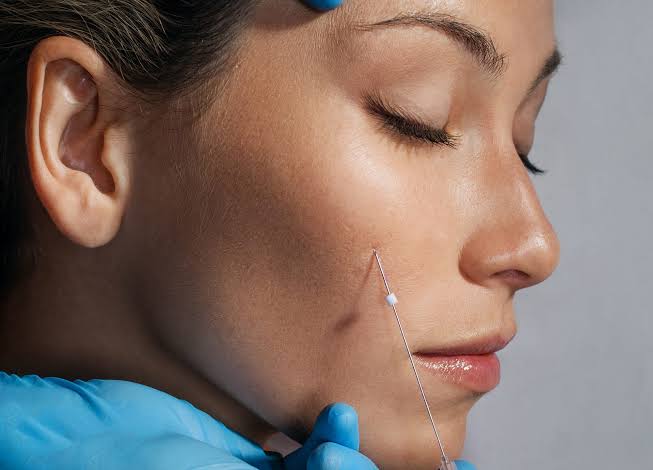
A thread lift involves inserting temporary, medical-grade sutures into the face to lift and tighten the skin. While it is generally a safe and minimally invasive procedure, complications can still occur. Understanding why a thread lift problem happens is the first step toward fixing it.
Common Symptoms of a Thread Lift Issue
When a thread lift does not heal correctly, it usually shows specific signs. Watch out for these common symptoms:
-
Puckering or Dimpling: The skin looks bunched up or has small dents near the insertion points.
-
Visible Threads: You can actually see the outline of the thread under your skin, or a thread end starts poking through.
-
Asymmetry: One side of your face looks significantly higher, lower, or tighter than the other side.
-
Prolonged Pain or Tenderness: Mild soreness is normal for a few days, but sharp or worsening pain after a week is a warning sign.
-
Infection Signs: Excessive redness, heat radiating from the skin, oozing, or a sudden fever.
What Causes a Thread Lift Problem?
These issues usually happen due to a few specific reasons:
-
Incorrect Depth: If the threads are placed too close to the surface of the skin, they become visible or cause dimpling. If placed too deep, they might not provide the right lift.
-
Thread Migration: Sometimes, the tiny barbs on the threads do not grip the tissue properly, causing the thread to shift out of its original place.
-
Poor Aftercare: Accidentally rubbing your face hard, sleeping on your stomach, or exercising too soon can dislodge the threads.
-
Inflammation or Infection: Bacteria entering the insertion points can cause swelling that disrupts the healing process.
Best Aftercare Routine for Women After Thread Lift Problem
If you notice mild issues like slight dimpling or swelling, a strict and gentle care routine can help your skin settle down. Here is the best aftercare routine for women after thread lift problem management that you can follow safely at home.
1. Maintain Extreme Gentle Cleanliness
Your skin needs a very clean environment to heal, especially if a thread is close to the surface.
-
Wash your face only twice a day with a mild, fragrance-free cleanser.
-
Do not scrub or rub your face. Gently pat the cleanser on and rinse with lukewarm water.
-
Dry your face by gently blotting it with a fresh, clean paper towel instead of a regular cloth towel, which can harbor bacteria.
2. Reduce Swelling and Pressure
Managing inflammation helps the skin relax around the threads, which can naturally reduce puckering.
-
Use Cold Compresses: Apply a cold pack wrapped in a clean cloth to the swollen areas for 10 minutes at a time. Never apply ice directly to the skin.
-
Sleep on Your Back: Keep your head elevated with two pillows for at least two weeks. This prevents you from putting pressure on your face while you sleep, which can cause thread migration.
-
Avoid Facial Expressions: Try to limit excessive talking, laughing, or chewing hard foods for the first week to keep the threads stable.
3. Avoid Heat and Physical Strain
Heat increases blood flow, which can make swelling and inflammation worse.
-
Stay away from hot showers, saunas, steam rooms, and hot tubs for at least two to three weeks.
-
Skip heavy workouts and intense exercise. Stick to light walking until your skin feels fully healed.
-
Do not apply makeup or heavy skincare products over the insertion points for at least 48 to 72 hours.
Practical Home Remedies to Soothe Your Skin
While you follow a proper aftercare routine, you can use these simple, non-promotional home tips to comfort your skin and speed up recovery.
Use Natural Anti-Inflammatory Compresses
-
Chilled Green Tea Bags: Brew two green tea bags, let them cool completely, and place them in the fridge. Apply the cool tea bags to swollen areas. Green tea contains natural antioxidants that calm irritated skin.
-
Aloe Vera Gel: If the skin feels hot or tight (but has no open wounds), apply a thin layer of pure, organic aloe vera gel. It cools the skin and reduces redness.
Adjust Your Diet for Better Healing
-
Eat Soft Foods: Stick to soups, smoothies, yogurt, and mashed potatoes for the first few days. This keeps your jaw movements minimal, preventing the threads from shifting.
-
Stay Hydrated: Drink plenty of water to help your body flush out toxins and heal the skin tissues faster.
-
Avoid Alcohol and Excess Salt: Both of these cause your body to retain water, which makes facial swelling look much worse.
When to Seek Professional Dermatology Treatment
Home care is excellent for mild swelling and minor dimpling. However, home remedies cannot fix a misplaced thread, an infection, or severe asymmetry. Attempting to fix these issues yourself by massaging or pressing hard on the skin will only make the problem worse.
If your thread lift problem involves a thread poking through the skin, severe pain, or spreading redness, you need to see a professional dermatologist immediately. A qualified expert can assess the situation safely. They may recommend options like gently clipping a protruding thread, prescribing antibiotics for an infection, or utilizing specific clinical treatments to dissolve or remove the problematic thread.
Expert Care at Pretty Skin Clinic, Gurgaon
When dealing with a cosmetic complication, you should only trust a highly qualified and experienced professional. If home remedies aren’t helping and this problem keeps coming back, it’s a good idea to get it checked by a dermatologist. You can book a consultation with Dr. Pretty Singla at Pretty Skin Clinic, Gurgaon → https://prettyskin.in/
Why Choose Dr. Pretty Singla?
Dr. Pretty Singla is a highly respected dermatologist known for her expertise in advanced skin treatments and complication management. She understands that a thread lift issue can be stressful, and she approaches every patient with genuine empathy and medical precision. Rather than offering one-size-fits-all fixes, she carefully examines your skin to find out exactly why the thread lift caused an issue.
The Clinic’s Patient-First Approach
At Pretty Skin Clinic in Gurgaon, the focus is entirely on restoring your skin’s health and your personal comfort. The clinic is equipped with modern diagnostic tools to check the depth and placement of the threads safely.
Depending on your specific condition, Dr. Pretty Singla may guide you on specialized clinical aftercare, prescribe medical-grade topical treatments, or safely adjust the problematic threads. Her goal is to resolve the issue with minimal discomfort, helping your face heal beautifully and naturally.
Frequently Asked Questions (FAQs)
1. Can a thread lift problem fix itself over time?
In some cases, mild puckering, dimpling, or asymmetry can improve on its own over 2 to 4 weeks as the threads settle and the initial swelling goes down. However, if a thread is placed too superficially or is poking through the skin, it will not fix itself and requires professional medical attention.
2. How long does it take for a misplaced thread lift to dissolve?
Most PDO (Polydioxanone) threads take about 6 to 9 months to dissolve naturally inside the body. While the thread itself breaks down, the collagen it creates stays behind. If a thread is causing severe discomfort, a dermatologist can evaluate options to manage it sooner rather than waiting for it to dissolve.
3. What should I do if a thread is poking out of my skin?
If a thread breaks through the skin, do not pull, cut, or touch it at home. Cover it gently with a clean, dry piece of gauze to protect it from bacteria and visit a dermatologist immediately. They can sterilely clip or remove the thread to prevent an infection.
4. Can I massage my face to smooth out thread lift lumps?
No, you should never massage your face without explicit instructions from your doctor. Massaging can dislodge the barbs on the threads, cause them to migrate further, or break the threads completely, making the asymmetry or dimpling much worse.
5. Is it normal to feel the threads under the skin?
It can be normal to feel a slight tightness or a faint sensation of the threads when making facial expressions during the first two weeks. However, if you can clearly feel a hard lump, see a visible ridge, or experience sharp pain when touching your face, it indicates a placement issue.
Conclusion
Experiencing a complication after a cosmetic procedure can be frustrating, but following the best aftercare routine for women after thread lift problem situations can significantly ease your recovery. Keep your face perfectly clean, sleep elevated on your back, avoid heavy facial movements, and let your skin rest without using harsh products or massages.
Remember, minor swelling and slight dimpling often improve as your tissues adapt. But if you see an open thread, experience severe pain, or notice signs of infection, do not wait it out at home.
For expert guidance, professional care, and a personalized recovery plan to restore your peace of mind, you can book a consultation with Dr. Pretty Singla at Pretty Skin Clinic here → https://prettyskin.in/
Disclaimer: This article is for informational purposes only. Please consult a qualified dermatologist for a proper diagnosis and personalized treatment plan.