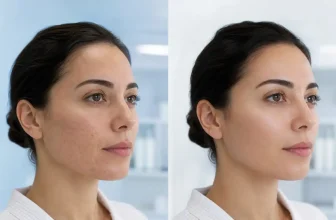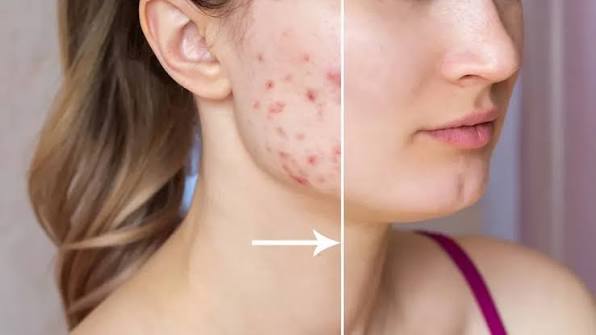
Dealing with acne as a teenager can feel like an uphill battle. One day your skin is perfectly fine, and the next day you wake up with a painful red breakout right before an important school event. If you are struggling with stubborn pimples, blackheads, and oily skin, you are definitely not alone. It is a completely normal part of growing up, but that does not make it any less frustrating.
Many teens try every face wash, cream, and scrub available at the grocery store, only to find that their acne keeps coming back. If home remedies and over-the-counter washes are not giving you the clear skin you want, it might be time to look at specialized options. One of the most successful options available today is a professional chemical peel. Specifically, the best treatment for teenagers for salicylic acid peel for acne problem helps to deep-clean pores and reduce swelling safely. If home remedies aren’t helping and this problem keeps coming back, it’s a good idea to get it checked by a dermatologist. You can book a consultation with Dr. Pretty Singla at Pretty Skin Clinic, Gurgaon here → https://prettyskin.in/
In this complete guide, we will break down everything you need to know about teenage acne. We will look at why it happens, how you can care for your skin at home, and how a professional salicylic acid peel works to clear up stubborn breakouts.
Understanding Teenage Acne: Why Does It Happen?
To fix a problem, we first need to understand what is causing it. Teenage acne is not caused by laziness or simply forgetting to wash your face. It is a deeply internal process driven by the natural changes happening in your body.
The Role of Hormones
During the teenage years, your body goes through a major hormonal surge. An increase in hormones called androgens signals your oil glands to grow bigger and produce more oil, which is scientifically known as sebum. While a little oil is good to keep the skin hydrated, teenagers often produce way too much of it.
Blocked Pores and Dead Skin
Your skin constantly creates new skin cells and sheds the old ones. When you have too much oil on your face, those dead skin cells glue themselves together instead of falling away. This sticky mixture blocks your pores, creating a plug. This plug is what forms a blackhead or a whitehead.
Bacteria and Inflammation
Inside every blocked pore is a quiet environment where natural skin bacteria love to multiply. When the bacteria grow too fast, your body’s defense system tries to fight them off. This fight causes the redness, swelling, and pain that you see as a typical pimple or cyst.
Why Stubborn Acne Matters for Teenagers
Acne is far more than just a minor skin flaw. It can affect your everyday life in deep ways.
-
Impact on Confidence: Waking up with breakouts can make you want to hide from friends, avoid taking photos, or stay home from school activities.
-
Risk of Permanent Scarring: Picking, squeezing, or treating acne with harsh, unverified products can damage the deeper layers of your skin, leaving behind permanent scars or dark spots that take years to fade.
-
Physical Pain: Deep pimples, known as nodules or cysts, can be physically tender and painful to touch, making simple things like washing your face or sleeping uncomfortable.
Taking care of your skin early prevents these long-term issues and protects your emotional well-being.
Simple Home Care and Lifestyle Habits for Clearer Skin
Before looking into advanced treatments, it is essential to build a healthy daily routine. These basic habits support your skin barrier and prevent new pimples from forming.
1. The Gentle Wash Rule
Wash your face twice a day—once in the morning and once before bed. Always use a gentle, fragrance-free cleanser. Avoid scrubbing your skin forcefully with rough washcloths or harsh scrubs. Scrubbing does not scrub away acne; instead, it irritates the skin and makes the inflammation worse.
2. Keep Your Hands Off Your Face
It is highly tempting to pop or squeeze a pimple, but this is the worst thing you can do. Squeezing pushes the bacteria deeper into your skin and causes more tearing, which guarantees a longer healing time and increases the risk of dark scars.
3. Hydrate and Protect
Even if your skin feels incredibly oily, you still need a moisturizer. Skipping moisturizer causes your skin to dry out, which tricks your body into producing even more oil to compensate. Look for products labeled non-comedogenic, which simply means they are formulated not to block your pores. Additionally, always apply an oil-free sunscreen daily to protect your skin from sun damage.
Over-the-Counter Options to Look For
When shopping for skincare products, read the ingredient list carefully. Look for these proven over-the-counter ingredients that help manage mild acne:
-
Salicylic Acid: This ingredient goes deep inside the pore to dissolve the sticky oil and dead skin cells.
-
Benzoyl Peroxide: This acts as an antibacterial agent to kill the specific bacteria that cause angry, red pimples.
-
Niacinamide: A soothing ingredient that reduces redness and calms down general skin irritation.
What is a Salicylic Acid Peel?
If your acne is moderate to severe, standard over-the-counter face washes might not be strong enough. This is where professional dermatological treatments come into play.
A salicylic acid peel is a clinical treatment where a dermatologist applies a safe, concentrated solution of salicylic acid to your face for a few minutes. Because salicylic acid is oil-soluble, it can cut through the heavy surface oil and sink deep into the pores. It treats acne by loosening the bonds between dead skin cells, allowing the clogged oil to release and clear away naturally.
This professional option is widely considered the best treatment for teenagers for salicylic acid peel for acne problem because it provides a deeper exfoliation than any home scrub can ever achieve, without causing physical tearing to the sensitive skin surface.
How the Treatment Works Step-by-Step
Knowing what to expect during a clinical treatment can take away any fear or nervousness you might have. Here is how a standard session goes:
Step 1: Deep Cleansing
The skin professional thoroughly cleanses your face to remove all surface dirt, makeup, and extra grease. This ensures the peel can touch the skin evenly.
Step 2: Prepping the Skin
A special prepping solution is wiped across your skin to remove any remaining surface oils, ensuring the salicylic acid can penetrate deeply and uniformly.
Step 3: Applying the Peel
The dermatologist carefully applies the salicylic acid solution using a soft cotton pad or brush. You will stay under close observation while the peel sits on your skin.
Step 4: The Sensation
During the few minutes the peel is active, you will feel a warm, tingling, or mildly stinging sensation. This is completely normal and shows that the acid is actively breaking down the oil plugs.
Step 5: Neutralization and Post-Care
The peel is rinsed off or neutralized safely. The specialist then applies a soothing, deeply hydrating cream and a broad-spectrum sunscreen to protect your newly refreshed skin layers.
What to Expect After the Peel
A clinical chemical peel requires a little bit of downtime, but it is easy to manage.
-
Day 1 to 2: Your skin might look slightly red or pink, similar to a mild sunburn. It may feel a bit tight or warm.
-
Day 3 to 5: The top layer of dead skin will begin to gently flake or peel away. Never pull, scratch, or pick at this peeling skin; let it fall off naturally.
-
Day 6 and Beyond: The peeling stops entirely, revealing smoother, clearer, and much less congested skin underneath.
Introducing a Trusted Specialist: Dr. Pretty Singla and Pretty Skin Clinic
When it comes to treating teenage skin, you should never take risks with unverified salon treatments or DIY home chemical kits. Teenage skin is sensitive, and using the wrong strength of acid can cause unwanted burns or worsen dark marks.
If you are looking for professional care, Dr. Pretty Singla at Pretty Skin Clinic, Gurgaon, is a highly trusted and compassionate option. Dr. Pretty Singla is a fully qualified, experienced dermatologist who specializes in understanding the unique needs of young skin. She believes that no two skin types are identical, which is why she provides personalized treatment plans tailored to your specific type of acne.
At Pretty Skin Clinic, the focus is entirely on your comfort, safety, and long-term skin health. Instead of pushing unnecessary packages, the team takes the time to educate you on proper skincare routines and offers advanced, medically supervised solutions. The clinic provides a safe, welcoming, and sterile environment where you can discuss your skin concerns without any judgment.
If home remedies aren’t helping and this problem keeps coming back, it’s a good idea to get it checked by a dermatologist. You can book a consultation with Dr. Pretty Singla at Pretty Skin Clinic, Gurgaon → https://prettyskin.in/
Frequently Asked Questions (FAQs)
1. Is a salicylic acid peel safe for teenagers?
Yes, when performed by a qualified dermatologist, the best treatment for teenagers for salicylic acid peel for acne problem is entirely safe. Dermatologists use medical-grade formulas and control the exact timing to ensure your skin is treated effectively without any damage.
2. How many sessions of a salicylic acid peel will I need?
While you will notice a smoother texture after just one session, most teenagers see the best results after a series of 4 to 6 sessions, spaced roughly 2 to 4 weeks apart. This allows the skin to clear out progressively and healthily.
3. Will a chemical peel make my acne worse before it gets better?
Sometimes, a process called “purging” happens. The peel speeds up skin cell renewal, which can bring deep, hidden clogs to the surface faster. This is temporary and is actually a sign that your pores are successfully cleaning themselves out.
4. Can I go to school immediately after getting a salicylic acid peel?
Yes, you can return to school right away. Your skin might look a bit pink or flushed, but it will not prevent you from doing your daily activities. Just remember to wear your sunscreen diligently.
5. Does the salicylic acid peel hurt?
It does not hurt, but you will feel a noticeable warming or stinging sensation for about 3 to 5 minutes while the solution is on your skin. Most teenagers tolerate this sensation very easily.
Conclusion and Next Steps
Dealing with teenage acne can be tough, but you do not have to live with painful breakouts or fading confidence. By combining basic lifestyle adjustments, a gentle washing routine, and targeted professional care, you can achieve the clear skin you deserve.
Remember, the best treatment for teenagers for salicylic acid peel for acne problem works wonders because it targets the root cause of the issue—excess oil and blocked pores—safely and scientifically. Take things one step at a time, be patient with your skin, and avoid harsh scrubs that cause more harm than good.
If home remedies aren’t helping and this problem keeps coming back, it’s a good idea to get it checked by a dermatologist. You can book a consultation with Dr. Pretty Singla at Pretty Skin Clinic, Gurgaon → https://prettyskin.in/
Disclaimer: This article is for informational purposes only. Please consult a qualified dermatologist for a proper diagnosis and personalized treatment plan.