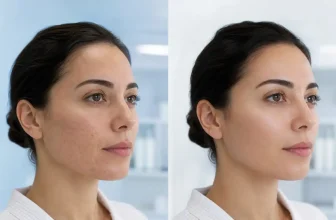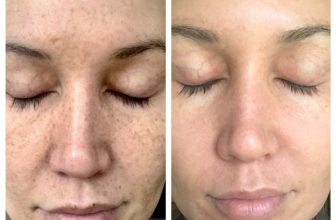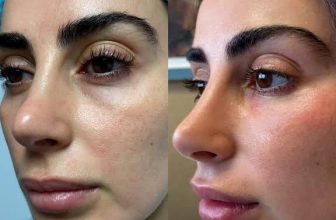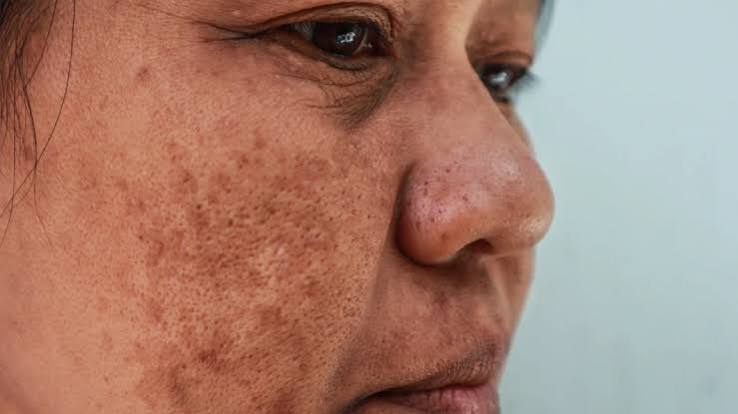
Have you noticed dark, brown, or greyish patches slowly appearing on your cheeks, forehead, or upper lip? If yes, you are not alone. Many adults wake up one day, look in the mirror, and wonder why their skin suddenly looks uneven. This common skin condition is called melasma. It can feel deeply frustrating, especially when makeup cannot easily cover it up and your usual skincare products do not seem to make any difference.
It is completely normal to feel upset or self-conscious about these changes in your skin. Your face is the first thing the world sees, and dealing with stubborn dark patches can take a toll on your daily confidence. If you have tried countless brightening creams and DIY home masks without success, please do not lose hope. There are highly effective ways to manage this condition and bring back your natural radiance.
While everyday skincare routines and protective lifestyle habits form the foundation of healthy skin, advanced options like professional skin peeling can offer the deeper renewal your skin needs. If home remedies aren’t helping and this problem keeps coming back, it’s a good idea to get it checked by a professional. You can book a consultation with Dr. Pretty Singla at Pretty Skin Clinic here → https://prettyskin.in/ to understand your skin’s unique needs and discover a gentle, effective path forward.
Understanding Melasma: Why Do These Dark Patches Appear?
To deal with melasma effectively, we first need to understand what is happening beneath the surface of your skin. Melasma is a very specific type of skin discoloration. Unlike regular dark spots left behind by a pimple, melasma typically appears in larger, symmetrical patches on both sides of the face.
Your skin contains specialized cells called melanocytes. These cells are responsible for producing melanin, which is the pigment that gives your skin its unique color. Sometimes, these pigment-producing cells become hyperactive. When they go into overdrive, they produce way too much pigment in concentrated areas, leading to the characteristic dark patches of melasma.
This condition is far more common in adults, particularly during the childbearing years. While it can affect anyone, women tend to experience it much more frequently than men due to the complex way hormones interact with our skin cells.
What Triggers Your Melasma to Flare Up?
Melasma is sneaky because it is rarely caused by just one single factor. Instead, it is usually a combination of internal and external triggers that cause your pigment cells to overreact. Here are the primary reasons why these dark patches show up:
-
Sunlight and UV Exposure: This is the biggest trigger of all. The sun emits ultraviolet (UV) rays that directly stimulate your pigment-producing cells. Even a few minutes of unprotected sun exposure can cause a quiet patch of melasma to flare up and turn significantly darker.
-
Hormonal Shifts: Fluctuations in hormones are a massive trigger for adults. This is why melasma is frequently nicknamed the “mask of pregnancy.” When estrogen and progesterone levels rise sharply during pregnancy, or when you start or change birth control pills, it can trigger excess pigment production.
-
Visible Light and Heat: It isn’t just the sun you have to watch out for. Intense heat from cooking over a hot stove, entering a hot sauna, or even the intense blue light radiating from your computer and smartphone screens can worsen the condition.
-
Harsh Skincare Products: Using products that burn, sting, or severely irritate your skin can cause inflammation. When your skin undergoes inflammation, it often responds by producing extra pigment as a defense mechanism, making the dark patches worse.
Practical Home Care and Lifestyle Habits for Melasma
Before looking into professional clinical treatments, it is essential to build a solid foundation of daily care at home. Without the right daily habits, even the most expensive clinic treatments will not provide lasting results. Managing melasma requires a gentle, consistent, and highly protective approach every single day.
The good news is that you can make simple, practical changes to your daily routine starting today. These steps will help protect your skin from further darkening and allow it to begin its natural healing process.
Here are three practical, non-promotional tips you can use to protect your skin and keep melasma from spreading:
1. Make Sun Protection Your Number One Priority
Since sunlight is the absolute biggest enemy of melasma, total sun protection is non-negotiable. You must wear a broad-spectrum sunscreen with an SPF of 30 or higher every single day, even if it is cloudy outside or if you spend most of your day indoors. Look for physical sunscreens containing zinc oxide or titanium dioxide, as they sit on top of the skin and physically block harmful rays. Don’t forget to reapply your sunscreen every two to three hours if you are sitting near a window or stepping outside.
2. Cool Down Your Environment
Because heat stimulates your pigment cells just as much as light does, you should try your best to stay cool. When cooking, keep the kitchen well-ventilated or use a fan. Avoid washing your face with hot water; instead, always use lukewarm or cool water. If you exercise outdoors, try to do so early in the morning or late in the evening when the temperature drops, and wear a wide-brimaimed hat to shade your face completely.
3. Use Gentle, Soothing Skincare Ingredients
Stop scrubbing your face with harsh physical scrubs or using strong, drying cleansers. Look for over-the-counter serums that contain gentle, skin-brightening ingredients like Vitamin C, Niacinamide, or Licorice Root Extract. These ingredients work softly over time to soothe irritation, strengthen your skin barrier, and naturally slow down the excess production of dark pigment without causing damaging inflammation.
Exploring Professional Treatment Options
If you have practiced strict sun protection and used gentle brightening skincare for several months but still see no visible improvement, it may be time to consider professional options. Dermatologists have access to clinical-grade treatments that reach deeper layers of the skin than standard over-the-counter products can.
When looking for the best clinic for adults for chemical peel for melasma problem, it helps to know what your options are so you can have an informed conversation with a professional.
Here are the most common professional treatments used to manage stubborn melasma:
-
Prescription Topical Creams: A dermatologist can prescribe specialized, high-strength creams containing ingredients like hydroquinone, tretinoin, or azelaic acid. These are carefully formulated to calm down hyperactive pigment cells.
-
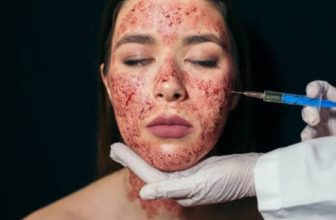
Professional Chemical Peels: This is one of the most popular and time-tested methods for treating adult melasma. A chemical peel involves applying a safe, specialized liquid solution to the skin to gently dissolve the dull, heavily pigmented top layers, revealing fresher, more evenly toned skin underneath.
-
Laser and Light Therapies: In specific cases, gentle lasers can be utilized to break up deep pigment. However, lasers must be approached with extreme caution, as the heat from a laser can sometimes trigger inflammation and backfire, making melasma darker if not performed by an expert.
-
Microdermabrasion: This treatment gently exfoliates the very top surface of the skin. While it can help fade minor surface spots, it is generally less effective for deep, hormonally driven melasma than a customized peel.
Why a Chemical Peel is a Top Choice for Adult Melasma
You might wonder why so many adults turn to chemical peels when dealing with persistent melasma patches. The reason is simple: a properly chosen chemical peel targets the problem exactly where it sits. It provides controlled exfoliation, meaning it speeds up the rate at which your skin sheds its old, pigment-packed cells.
When these old cells are gently cleared away, your skin replaces them with brand-new, healthy cells that have a normal balance of pigment. Additionally, a professional peel helps your daily skincare serums absorb much deeper, making your home care routine significantly more effective.
For adults dealing with melasma, dermatologists typically avoid deep, aggressive peels. Instead, they use mild to moderate peels containing smart, targeted ingredients like Glycolic Acid, Lactic Acid, Salicylic Acid, or specialized blends like the Mandelic Acid peel. These acids work beautifully to fade discoloration without generating excessive, dangerous heat or triggering intense inflammation.
Introducing a Trusted Option: Dr. Pretty Singla and Pretty Skin Clinic
When it comes to treating a complex skin condition like melasma, you should never leave your skin to chance or accept a one-size-fits-all approach. Because melasma is incredibly sensitive to irritation, an incorrect treatment choice can easily make the dark patches darker. This is exactly why choosing the right professional matters so much.
If you are looking for a reliable, highly experienced professional, Dr. Pretty Singla at Pretty Skin Clinic, Gurgaon is an excellent choice. Dr. Pretty Singla is a highly qualified dermatologist who deeply understands the unique challenges of adult skin. She treats every patient like a close friend, taking the time to truly listen to your concerns, review your daily lifestyle habits, and carefully analyze the depth of your skin discoloration before suggesting any treatment path.
At Pretty Skin Clinic, the focus is always on your long-term skin health and comfort. They do not believe in aggressive, rushed treatments or making unrealistic promises. Instead, they emphasize safe, gentle, and scientifically proven methods to help restore your natural complexion over time.
When you visit the clinic for a melasma concern, Dr. Pretty Singla performs a thorough skin assessment. If a chemical peel is appropriate for your specific skin type, she will select a gentle, customized peeling solution designed to fade the pigment without causing unnecessary redness or irritation. Furthermore, she provides clear, step-by-step guidance on how to care for your delicate skin before and after your session to ensure you get the absolute best results safely.
If home remedies aren’t helping and this problem keeps coming back, it’s a good idea to get it checked by a dermatologist. You can book a consultation with Dr. Pretty Singla at Pretty Skin Clinic, Gurgaon → https://prettyskin.in/
What to Expect Before, During, and After Your Chemical Peel
If you have never had a clinical chemical peel before, it is completely natural to feel a little nervous. Knowing exactly what happens during the process can help you feel calm, comfortable, and confident before your first appointment.
Preparing for Your Session
A few days before your scheduled peel, your dermatologist will likely advise you to pause any strong anti-aging creams, retinoids, or harsh exfoliating scrubs. This keeps your skin barrier calm and ready for the treatment. Of course, you must continue applying your sunscreen diligently every single day.
During the Procedure
First, the skin professional will thoroughly cleanse your face to remove all traces of surface oil and makeup. Next, they will gently apply the customized chemical peel solution using a soft cotton pad or small brush. As the solution works on your skin, you might feel a warm, mild tingling or scratching sensation. This is completely normal and simply means the active ingredients are doing their job. After a few minutes, the solution is carefully neutralized and washed away, and a soothing, deeply hydrating moisturizer and sunscreen are applied to protect your skin.
Essential Aftercare Rules
In the days following your clinical peel, your skin may feel slightly tight, look mildly pink, or experience very light, flaky peeling. This is a normal part of the renewal process. During this recovery phase, you must follow these rules to protect your investment and your skin:
-
Do not pick or pull at any loose, peeling skin, as this can cause scarring or new dark marks.
-
Keep your skin deeply hydrated by applying a gentle, fragrance-free moisturizer frequently throughout the day.
-
Avoid direct sunlight entirely for at least a week, and never skip your physical sunscreen.
-
Skip the gym and saunas for the first 48 hours, as heavy sweating and intense heat can irritate your healing skin.
Frequently Asked Questions About Melasma and Chemical Peels
1. Can a chemical peel permanently cure my melasma?
There is no permanent cure for melasma because it is deeply tied to internal factors like hormones and external factors like sun exposure. However, finding the best clinic for adults for chemical peel for melasma problem can help fade the dark patches significantly, even out your skin tone, and help you keep the condition beautifully managed and under control.
2. How many sessions of chemical peels will I need to see results?
Because melasma forms in layers beneath the surface, it takes time to fade safely. While you might notice a brighter, smoother complexion after just one session, most adults see the best results after a series of 4 to 6 gentle peel sessions, spaced about 2 to 4 weeks apart.
3. Will a chemical peel make my skin thin or permanently sensitive?
No, a professionally performed superficial or medium chemical peel will not thin your skin. In fact, by removing dead surface cells and stimulating healthy new cell growth, it actually helps support your skin’s natural regeneration process. Your skin will only be temporarily sensitive for a few days immediately following the treatment.
4. Can I go back to work right after getting a chemical peel?
Yes, mild peels are often called “lunchtime peels” because they require virtually no downtime. Your face might look slightly flushed, similar to a very mild sunburn, but you can return to your normal daily activities right away, provided you apply your sunscreen and avoid direct sunlight.
5. Is a chemical peel safe for darker skin tones?
Yes, chemical peels are safe for darker skin tones, but they must be chosen with extra care. Darker skin has more active pigment cells, which means aggressive treatments can cause post-inflammatory hyperpigmentation. This is why it is vital to visit a qualified dermatologist who knows exactly how to choose the right, gentle acid blend for your specific skin tone.
Conclusion: Taking the First Step Toward Clearer Skin
Dealing with the frustration of melasma can feel like an uphill battle, but you do not have to figure it out all alone. Remember, the journey to clearer, more radiant skin requires patience, exceptional sun protection, and a gentle touch. Aggressive scrubbing and miracle overnight creams will only irritate your skin and make the dark patches darker. By focusing on a healthy routine and understanding the underlying causes, you can take control of your skin’s health.
While careful daily home care and strict sun protection are essential building blocks, partnering with an experienced expert can make a world of difference. Finding the right professional support and the best clinic for adults for chemical peel for melasma problem will give you a clear, personalized, and safe map to follow, saving you time, money, and unnecessary stress.
If you are ready to move past the guesswork and want a customized plan designed purely for your skin, consider reaching out to a professional who truly cares. You can book a consultation with Dr. Pretty Singla at Pretty Skin Clinic here → https://prettyskin.in/
Disclaimer: This article is for informational purposes only. Please consult a qualified dermatologist for a proper diagnosis and personalized treatment plan.