Have you recently had a carbon laser facial and noticed that your skin is not behaving the way you expected? Maybe you wanted a glowing, smooth complexion, but instead, you are dealing with unexpected redness, breakouts, irritation, or dry patches. If this sounds like you, please know that you are not alone, and your skin is not ruined.
Many women experience minor setbacks or side effects after advanced skin treatments. While the carbon laser facial is famous for deep cleaning and skin renewal, it can sometimes leave the skin sensitive or trigger temporary issues if your skin type is reactive or if the post-care steps were not quite right.
When your skin feels uncomfortable, it can be stressful. You might be wondering what went wrong and how you can fix it quickly without making it worse. The good news is that with the right care and patience, your skin can heal beautifully.
If you are looking for immediate professional guidance because your skin is highly irritated or home remedies are not giving you relief, it is always best to see a specialist. You can book a consultation with Dr. Pretty Singla at Pretty Skin Clinic here → https://prettyskin.in/ to get your skin assessed safely.
In this guide, we will break down exactly why these issues happen, what you can do at home to soothe your skin, and when it is time to seek professional care.
Understanding the Carbon Laser Facial Problem
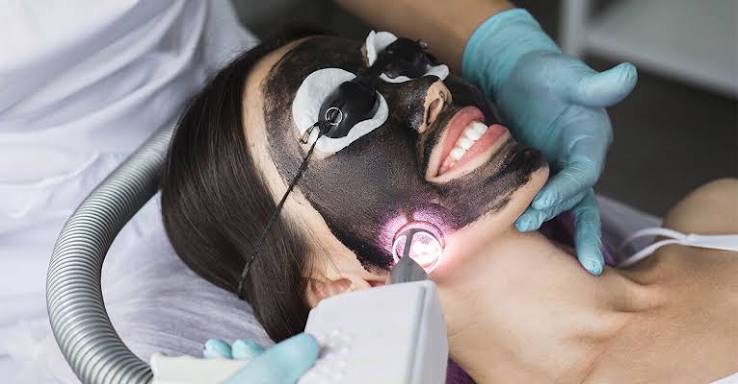
To find the best treatment for women for carbon laser facial problem, we first need to understand what the problem actually is. A carbon laser facial involves putting a layer of liquid carbon on the face. This carbon sinks deep into the pores. A special laser is then passed over the skin, which destroys the carbon particles, taking dead skin, oils, and impurities away with it.
While this process is excellent for exfoliating, the heat and energy from the laser can sometimes cause a strong reaction. Every woman’s skin is unique. What works perfectly for one person might cause irritation for another.
When things do not go as planned, women usually face a few common issues. Let us look at what these problems are and why they happen.
Common Symptoms and Issues After a Carbon Laser Facial
If you are experiencing a “carbon laser facial problem,” your symptoms will likely fall into one of these categories:
1. Prolonged Redness and Swelling
It is completely normal for your skin to look a little pink or red right after the session. This usually goes away within a few hours. However, if your face remains bright red, swollen, or feels hot to the touch for several days, your skin is experiencing significant inflammation.
2. Sudden Breakouts and Purging
Some women notice a sudden flare-up of pimples a day or two after the facial. This can happen because the laser stimulates the deeper layers of the skin, pushing trapped oil and dirt to the surface. While sometimes this is just temporary “purging,” it can also be a sign that the skin barrier has been disrupted.
3. Intense Dryness and Flaking
The laser removes the top layer of dead skin and reduces oil production. If your skin was already slightly dry, or if the laser settings were too strong for your skin type, your face might feel incredibly tight, dry, and start peeling or flaking off in patches.
4. Itching and Rashes
Feeling a strong urge to scratch your face or noticing tiny, itchy red bumps means your skin is highly irritated. This is often a sign of mild heat rash or an allergic reaction to the carbon lotion or the post-treatment products used on your skin.
Why Do These Problems Happen?
It helps to know the root cause of these issues so you can avoid them in the future. Here are the main reasons why women face complications:
-
Sensitive Skin Types: If you have naturally sensitive skin, rosacea, or eczema, your skin may react strongly to the intense heat of the laser.
-
Incorrect Laser Settings: If the laser energy is set too high for your specific skin tone or condition, it can cause mild burns or deep irritation.
-
Poor Post-Treatment Care: Your skin is extremely vulnerable after a laser session. Using harsh skincare products, scrubbing your face, or skipping sunscreen can immediately cause problems.
-
Sun Exposure: Going out in the sun right after a facial without proper protection can cause hyperpigmentation (dark spots) or severe redness.
Real, Useful Home Care Tips to Soothe Your Skin
Before looking into advanced dermatology options, you can try several safe, gentle methods at home to help your skin heal. The main goal here is to calm inflammation and rebuild your protective skin barrier.
Here are 3 practical, non-promotional tips you can try right now:
Tip 1: The Cold Compress Method
If your skin feels hot, red, or swollen, use a cold compress. Wrap a few ice cubes in a clean, soft cotton cloth. Gently press it against the irritated areas of your face for 2 to 3 minutes at a time. Never apply ice directly to your bare skin, as extreme cold can cause further damage to vulnerable tissue. Repeat this a few times a day to reduce heat and swelling.
Tip 2: Switch to a “Zero-Effort” Skincare Routine
When your skin is reacting badly, less is definitely more. Stop using all anti-aging creams, acne lotions, vitamin C serums, chemical exfoliants (like AHA/BHA), and scrubs.
-
Wash your face only with lukewarm water or an extremely gentle, fragrance-free cleanser.
-
Apply a plain, thick, hydrating moisturizer that contains ceramides or hyaluronic acid to lock in moisture.
-
Apply a broad-spectrum sunscreen with SPF 30 or higher every single day, even if you are staying indoors near windows.
Tip 3: Use Pure Aloe Vera Gel
Pure aloe vera is famous for its cooling and anti-inflammatory properties. If you have an aloe vera plant at home, scrape a small amount of fresh gel and apply a thin layer over the irritated spots. If you buy it from a store, ensure it is 100% pure gel with no added artificial colors, perfumes, or alcohol. Leave it on for 15 minutes and rinse gently with cool water.
Important Lifestyle Changes for Skin Recovery
Healing your skin does not just happen from the outside; your daily habits play a huge role in how fast your skin bounces back.
-
Stay Hydrated: Drink plenty of water throughout the day. When your body is hydrated, your skin cells heal much faster and maintain their moisture balance better.
-
Do Not Pick or Scratch: If your skin is peeling, flaking, or breaking out, do not touch it. Picking at pimples or pulling off peeling skin can cause permanent scarring or dark marks.
-
Avoid Heat and Sweat: For at least 4 to 5 days after your facial, avoid hot showers, steam rooms, saunas, and intense workouts that cause heavy sweating. Sweat and heat can trap bacteria in open pores and worsen redness.
-
Sleep on Clean Silk or Cotton: Change your pillowcase to a fresh, clean one. A rough or dirty pillowcase can introduce bacteria to your vulnerable face and cause friction that worsens irritation.
Professional Dermatology Options for Laser Complications
If your symptoms are severe, or if home remedies do not seem to make a difference after a few days, it is time to seek professional medical help. A qualified dermatologist can analyze your skin and provide targeted solutions to reverse the irritation.
Depending on your specific condition, a dermatologist may recommend:
-
Topical Calming Creams: Prescribing mild steroid creams or non-steroidal anti-inflammatory ointments to quickly stop severe itching and redness.
-
Barrier Repair Therapies: Special clinical moisturizers and serums designed to heal a broken skin barrier rapidly.
-
Gentle LED Light Therapy: Using cool, soothing medical LED lights (like red or yellow light) to accelerate tissue healing and lower inflammation safely without generating heat.
-
Oral Medications: If a major breakout or infection has occurred, short-term antibiotics or anti-allergy pills may be prescribed to calm the body’s internal response.
Seeking Expert Care: Dr. Pretty Singla and Pretty Skin Clinic
When dealing with a compromised skin barrier or laser side effects, you should never guess your treatment. Choosing a highly qualified professional ensures your skin is treated with the utmost care, preventing long-term marks or damage.
If you are looking for the best treatment for women for carbon laser facial problem, Dr. Pretty Singla at Pretty Skin Clinic in Gurgaon is a highly trusted option.
Dr. Pretty Singla is an experienced dermatologist known for her compassionate, patient-first approach. She understands that skin issues can deeply affect your confidence and comfort. Instead of offering one-size-fits-all treatments, she takes the time to carefully examine your skin tone, thickness, and current irritation levels to find out exactly why your skin reacted negatively to the laser.
At Pretty Skin Clinic, the focus is entirely on safe, evidence-based dermatological care. The clinic is equipped with advanced diagnostic tools and soothing therapies tailored specifically to reverse skin irritation and restore your natural glow. Dr. Singla and her dedicated team focus on calming the skin first, ensuring your skin barrier is completely healthy before suggesting any future aesthetic procedures.
If home remedies aren’t helping and this problem keeps coming back, it’s a good idea to get it checked by a dermatologist. You can book a consultation with Dr. Pretty Singla at Pretty Skin Clinic, Gurgaon → https://prettyskin.in/
Frequently Asked Questions (FAQs)
1. Is it normal to break out after a carbon laser facial?
Yes, a mild breakout can be normal and is often called “skin purging.” The laser draws deep impurities, oils, and dead skin cells to the surface. However, if the breakouts are large, painful, or do not start clearing up within a week, it could be a sign of a damaged skin barrier or an adverse reaction that requires medical attention.
2. How long does redness last after a carbon laser facial?
For most women, normal post-treatment redness goes away within 2 to 24 hours. If your face remains noticeably red, warm, or irritated for more than three days, your skin has reacted sensitively, and you should use cooling compresses or consult a specialist.
3. Can a carbon laser facial burn or damage my skin permanently?
When performed by an inexperienced provider or with incorrect machine settings, any laser can cause mild surface burns or changes in skin color. However, permanent damage is very rare. If caught early, a qualified dermatologist can easily treat laser irritation and restore your skin completely.
4. What should I avoid putting on my face after a laser facial?
You must avoid using any harsh skincare products for at least 5 to 7 days. This includes products containing retinol, glycolic acid, salicylic acid, vitamin C, physical face scrubs, and makeup with heavy fragrances. Stick to a basic gentle cleanser, a simple moisturizer, and high-quality sunscreen.
5. When should I see a doctor for my carbon laser facial problem?
You should see a dermatologist if you experience severe pain, blistering, extreme swelling, pus-filled bumps, or if your redness and itching do not improve after 3 to 4 days of basic home care.
Conclusion
Experiencing an unexpected skin reaction can be worrying, but finding the best treatment for women for carbon laser facial problem starts with giving your skin the peace and protection it needs to heal. By pausing harsh products, using simple soothing remedies like cold compresses or aloe vera, and protecting your face completely from the sun, you give your skin barrier the best chance to rebuild itself.
Remember, every individual’s skin reacts differently to energy-based treatments. If your skin remains uncomfortable, painful, or highly irritated despite your best efforts, please do not hesitate to seek professional guidance. Expert care can stop inflammation quickly and prevent any long-term marks.
If you want a safe, personalized evaluation to heal your skin comfortably, you can book a consultation with Dr. Pretty Singla at Pretty Skin Clinic here → https://prettyskin.in/
Disclaimer: This article is for informational purposes only. Please consult a qualified dermatologist for a proper diagnosis and personalized treatment plan.