Having a mole removed is a very common and straightforward procedure, but the real work actually begins once you leave the clinic. Many adults feel a bit anxious about how to care for their skin after the numbing medicine wears off. You might be wondering how long it will take to heal, if it will leave a large scar, or what you should do if the area starts to itch or ache. It is completely normal to feel this way. Your skin has just gone through a small trauma, and it needs the right environment to repair itself properly.
The way you treat your skin during the first few weeks makes a massive difference in how the final scar will look. Good aftercare helps the skin mend quickly and keeps nasty bacteria away. If you are ever worried that your healing process is not going as planned, it is always a good idea to seek professional medical advice. For expert guidance on how to heal beautifully, you can book a consultation with Dr. Pretty Singla at Pretty Skin Clinic here → https://prettyskin.in/
This guide will walk you through the entire recovery journey in plain, simple English. We will look at what happens to your skin after surgery, how to manage the wound at home, and simple lifestyle changes that speed up healing. We will also share the best recovery tips for adults after mole removal surgery problem so you can feel confident, comfortable, and safe every single step of the way.
Understanding the Wound: What Happens After Mole Removal?
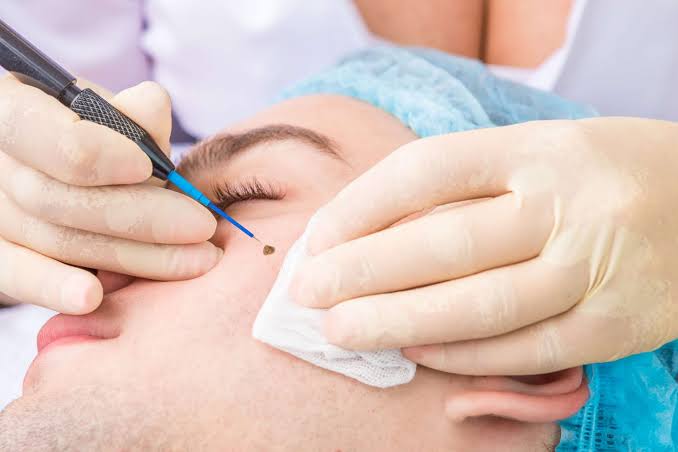
When a doctor removes a mole, they cut into the layers of your skin. Depending on the size and depth of the mole, the doctor might use stitches to close the skin, or they might leave it open to heal from the inside out. Either way, your body immediately starts an amazing repair job to close the gap and build new tissue.
During the first few days, it is completely normal to see a little bit of redness, mild swelling, and a small amount of clear or slightly pink fluid oozing from the spot. This is just your body sending white blood cells and healing nutrients to the area. It is not a sign of infection, but rather a sign that your immune system is working hard to fix the skin.
However, if you do not care for the wound properly, simple healing can turn into a difficult problem. The skin barrier is open, which means bacteria can get in easily. If the wound gets too dry, it can form a hard, thick scab that cracks and slows down the healing process. Understanding that your wound needs a clean, moist, and protected environment is the first step to a smooth recovery.
Why Proper Recovery Matters for Adults
As adults, our skin does not heal quite as fast as it did when we were children. The natural production of collagen slows down, and our cells take a little longer to renew themselves. This means we have to be extra careful and patient during the recovery phase to avoid long-term marks or dark spots.
Ignoring aftercare can lead to several annoying complications. A poorly managed wound can easily become infected, which causes pain, increased redness, and foul-smelling pus. Infections also increase the chances of developing a thick, raised scar known as a keloid or a dark patch called post-inflammatory hyperpigmentation.
Taking the time to follow the best recovery tips for adults after mole removal surgery problem ensures that your skin closes up smoothly and evenly. It reduces the risk of noticeable scarring and helps your skin tone return to normal much faster. A little effort today will save you months of trying to fade a dark scar later on.
The Best Recovery Tips for Adults After Mole Removal Surgery Problem
Healing does not have to be complicated. By focusing on cleanliness, moisture, and protection, you can give your skin exactly what it needs to repair itself. Here are the most effective, practical tips to help you take care of your skin at home.
1. Keep the Wound Clean and Covered
For the first 24 to 48 hours, keep the original bandage placed by your doctor completely dry and intact. After that initial period, you can gently wash the area once a day. Use a mild, fragrance-free soap and cool or lukewarm water.
Do not scrub the wound or hold it directly under a harsh stream of water. Instead, cup the water in your hands and splash it gently over the area. Pat it dry very softly with a clean, fresh paper towel. Immediately apply a fresh bandage to keep airborne dirt and bacteria out.
2. Maintain a Moist Healing Environment
An old myth says you should let a wound “air out” and form a hard scab. Modern dermatology shows that wounds actually heal much faster and with less scarring when they are kept moist. A dry wound forces new skin cells to crawl underneath a hard scab, which takes longer and causes more irritation.
Apply a thin layer of plain white petroleum jelly or a healing ointment recommended by your doctor using a clean cotton swab. This creates a protective shield that locks in moisture and stops the bandage from sticking to the raw skin. Avoid using heavy antibiotic creams unless your doctor explicitly told you to, as these can sometimes cause allergic skin rashes.
3. Never Pick at Scabs or Itch the Skin
As the skin knits back together, the nerves in the area will wake up, which often causes a very annoying itchy feeling. Itching is a great sign that healing is happening, but you must resist the urge to scratch or pick at the area.
If you pick off a scab prematurely, you reopen the wound, invite bacteria inside, and reset the entire healing clock back to day one. If the itch drives you crazy, try tapping gently around the outside of the bandage, or apply a cool compress over the bandage for a few minutes to numb the sensation.
4. Protect the Area from the Sun
New, healing skin is incredibly thin and highly sensitive to ultraviolet radiation from the sun. If you expose the fresh pink scar to sunlight, the skin will produce too much melanin, turning the pink mark into a stubborn brown or dark grey spot that can last for years.
Keep the area covered with a bandage or clothing whenever you go outside. Once the skin has completely closed up and any stitches are out, apply a broad-spectrum sunscreen with an SPF of 30 or higher every single day. Make sun protection a daily habit for at least six months after your surgery.
Easy Lifestyle Changes to Speed Up Skin Healing
What you put into your body matters just as much as what you put on your skin. Making a few simple adjustments to your daily routine can give your body the extra energy it needs to rebuild tissue quickly.
-
Drink plenty of water: Hydrated skin is elastic skin. Drinking at least 8 to 10 glasses of water a day keeps your cells plump and helps them transport waste away from the wound site.
-
Eat protein-rich foods: Your body uses protein as the primary building block to create new skin cells and collagen. Include items like eggs, chicken, fish, tofu, lentils, and nuts in your meals.
-
Boost your Vitamin C intake: Vitamin C is essential for collagen synthesis. Eat plenty of citrus fruits, strawberries, bell peppers, and broccoli to give your immune system a helpful boost.
-
Avoid smoking and alcohol: Nicotine narrows your blood vessels, which reduces the amount of oxygen and nutrients reaching your healing skin. Alcohol dehydrates the body and can increase swelling. Try to cut back on both during your recovery weeks.
-
Sleep well: Your body does the majority of its repair work while you are asleep. Aim for 7 to 8 hours of deep, restful sleep each night to allow your growth hormones to do their job.
Simple Home Care Remedies for Comfort and Value
While medical care is vital, there are a few safe, gentle steps you can take at home using basic items to make your recovery much more comfortable. These tips are purely for your comfort and do not replace professional medical advice.
-
Cool Compresses for Swelling: If the area feels warm, slightly swollen, or throbs a little during the first 48 hours, you can use a cold pack. Wrap a bag of frozen peas or a clean ice pack in a soft, clean towel. Hold it against the bandage for 10 to 15 minutes at a time. Never apply ice directly to bare skin.
-
Loose Clothing Choices: Friction is an enemy of healing skin. If your mole was removed from your back, chest, waistline, or thighs, wear loose-fitting, soft cotton clothing. Tight waistbands or rough fabrics will rub against the wound, causing pain and potentially tearing out early stitches.
-
Elevate the Area: If the mole was removed from your lower leg, foot, or ankle, try to prop your leg up on a few pillows whenever you are sitting or resting. Elevating the wound above the level of your heart helps fluid drain away, which naturally reduces throbbing and swelling.
When to Seek Professional Dermatology Care
Most mole removals heal smoothly without any major issues. However, you should always keep a close eye on the wound for any signs that things are going wrong. Catching a small problem early prevents larger complications down the road.
You should contact a doctor right away if you notice any of these warning signs:
-
Severe pain that gets worse over time instead of better.
-
Redness that spreads far beyond the original edges of the wound.
-
The skin feels hot to the touch or looks very swollen.
-
Thick yellow or green fluid (pus) leaking from the wound, especially if it smells bad.
-
You develop a fever or experience chills.
-
Bleeding that does not stop even after applying firm, continuous pressure for 10 minutes.
If home remedies aren’t helping and this problem keeps coming back, or if you simply want a professional eye to review your healing progress, it’s a good idea to get it checked by a dermatologist. You can book a consultation with Dr. Pretty Singla at Pretty Skin Clinic, Gurgaon → https://prettyskin.in/
Professional Dermatology Treatment: Dr. Pretty Singla and Pretty Skin Clinic
While home care is incredibly powerful, having a trusted professional guide you through the process provides immense peace of mind. Every individual’s skin reacts differently to surgery, and a qualified specialist can help customize your recovery path to ensure the least amount of scarring possible.
If you are looking for expert care, Dr. Pretty Singla at Pretty Skin Clinic in Gurgaon is a wonderful option. Dr. Pretty Singla is a highly qualified and experienced dermatologist who deeply understands the science of wound healing and skin scar prevention. She takes a very gentle, patient-first approach, making sure you feel completely comfortable and well-informed from your first visit all the way through your final recovery check-up.
At Pretty Skin Clinic, the team focuses on providing clean, safe, and modern medical care. They do not just remove the mole; they stick by your side to guide you on advanced scar-reduction techniques, proper silicone gel applications, and safe laser therapies if your skin needs an extra helping hand later on. Seeing a specialist ensures that your mole is completely evaluated and that your skin recovers its natural, healthy appearance without unnecessary marks.
If you want an experienced professional to look after your skin health and guide you on the best recovery tips for adults after mole removal surgery problem, the clinic is always ready to assist. You can book a consultation with Dr. Pretty Singla at Pretty Skin Clinic here → https://prettyskin.in/
Frequently Asked Questions (FAQs)
How long does it take for skin to heal after a mole is removed?
The surface layer of the skin usually closes up within 1 to 2 weeks. However, the deeper layers of the skin take much longer to remodel. It can take anywhere from 3 to 6 months, or even up to a year, for the scar to mature, fade in color, and completely soften.
Can I take a shower after having a mole removed?
Most doctors recommend keeping the wound completely dry for the first 24 to 48 hours. After that, you can take a shower, but avoid letting the direct spray of the shower head hit the wound. Gently wash the area by hand, pat it dry immediately, and put on a fresh bandage. Avoid soaking in bathtubs or swimming pools until the skin is fully closed.
Will mole removal leave a permanent scar?
Any procedure that cuts into the deeper layers of the skin will leave some form of a mark. However, with proper aftercare—like keeping the wound moist and protecting it from the sun—the scar can become very faint, flat, and barely noticeable over time. The skill of your doctor and how well you follow recovery tips play a major role in the final look.
What should I do if my mole removal wound is bleeding?
A tiny amount of spotting or pink fluid on your bandage is normal in the first day or two. If it starts to bleed actively, place a clean, dry piece of gauze or a clean cloth directly over the bandage and press down firmly without letting go for 10 full minutes. If the bleeding does not stop after doing this twice, call your doctor immediately.
When can I start using scar removal creams on the spot?
You should never apply over-the-counter scar creams, silicone gels, or vitamin E oils to an open wound. Wait until the skin has completely closed, any scabs have naturally fallen off, and your doctor has removed your stitches (usually 7 to 14 days after surgery). Applying scar treatments too early can cause irritation and disrupt the natural healing process.
Conclusion
Recovering from a mole removal surgery is a step-by-step process that requires just a little bit of daily patience and care. By keeping the wound clean, applying a simple moisturizing ointment like petroleum jelly, and keeping it safely shielded from the harsh sun, you give your skin the perfect environment to repair itself beautifully. Remember to listen to your body, avoid picking at the healing skin, and give yourself time to rest.
While basic home habits work wonders, never hesitate to reach out for professional support if you feel unsure about your healing path or want to minimize scarring as much as possible. A qualified dermatologist can provide tailored advice that matches your specific skin type and wound depth.
If you are worried about how your skin is healing, or if you want an expert to guide you through the process, professional help is just a click away. You can book a consultation with Dr. Pretty Singla at Pretty Skin Clinic, Gurgaon → https://prettyskin.in/
Disclaimer: This article is for informational purposes only. Please consult a qualified dermatologist for a proper diagnosis and personalized treatment plan.