If you recently got a Q-switch laser treatment to fade dark spots, treat pigmentation, or remove a tattoo, you probably expected glowing, even-toned skin. But what happens when things do not go as planned? Instead of clear skin, you might be staring in the mirror at redness, unexpected dark spots, tiny bumps, or dry, peeling patches.
It is completely normal to feel worried, frustrated, or even a little panicked when your skin reacts this way. You might be wondering if you did something wrong or if the damage is permanent. First, take a deep breath. Your skin has just been through a high-energy light treatment, and it is currently trying to repair itself.
The secret to fixing these unexpected post-laser issues lies in how you treat your skin right now. By following the best skin care routine after Q switch laser treatment problem stages, you can calm the irritation, protect your skin barrier, and get your healing back on track.
If your skin feels highly irritated, looks burned, or if these issues keep getting worse despite your best efforts, it is always a good idea to seek professional medical advice. You can book a consultation with Dr. Pretty Skin at Pretty Skin Clinic here → https://prettyskin.in/ to get an expert evaluation and a personalized recovery plan.
Understanding the Q Switch Laser Treatment Problem
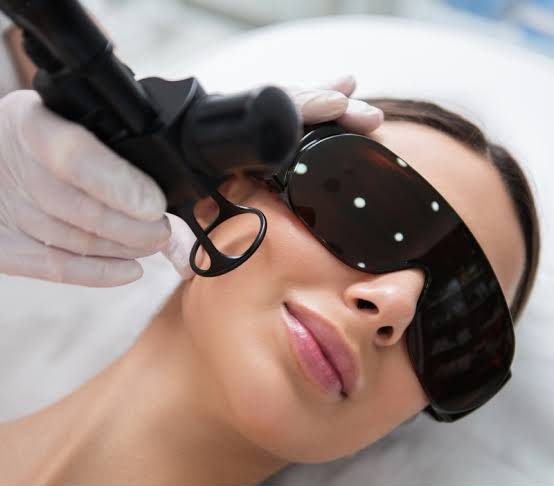
To fix the issue, we first need to understand what is actually happening to your skin. A Q-switch laser works by sending fast, powerful pulses of light energy deep into your skin layers. This energy shatters unwanted pigment particles so your body can naturally clear them away.
However, because this process generates heat and creates micro-activity beneath the surface, your skin views it as a minor injury. When the skin is triggered this way, it goes into a protective, inflammatory mode. If your skin is naturally sensitive, or if the laser settings were a bit too strong for your skin type, this inflammatory response can go into overdrive.
Common Symptoms of a Post-Laser Problem
-
Prolonged Redness and Swelling: It is normal to look a little pink for a few hours, but redness that lasts for days means your skin barrier is highly inflamed.
-
Post-Inflammatory Hyperpigmentation (PIH): This happens when the heat from the laser stimulates your pigment-producing cells to create more melanin, making your dark spots look darker than before.
-
Extreme Dryness and Flaking: The laser temporarily strips away the natural moisture barrier, leaving your skin rough, tight, and peeling.
-
Tiny White Bumps or Pimples: Also known as acneiform eruptions, these occur when thick post-laser creams block your temporary sensitive pores.
-
Itching and Burning: A constant itch or heat sensation means your nerve endings are irritated and your skin barrier is compromised.
Why a Dedicated Post-Laser Skin Care Routine Matters
When your skin experiences a post-laser setback, your usual skincare routine will not work. In fact, using your everyday anti-aging creams, exfoliating scrubs, or strong acne face washes can make the problem much worse.
Right now, your skin barrier is wide open and highly vulnerable. Using the wrong products can prolong the redness, deepen the dark spots, and even lead to permanent scarring or long-term sensitivity.
Adopting a specialized, gentle routine acts like a protective blanket for your face. It lowers the skin’s surface temperature, stops excess pigment production in its tracks, and provides the exact hydration your cells need to rebuild themselves quickly.
Step-by-Step Best Skin Care Routine After Q Switch Laser Treatment Problem
When healing a laser complication, less is always more. You want to strip your routine down to the absolute basics: cleansing, hydrating, protecting, and repairing. Here is the daily step-by-step routine you should follow.
Step 1: Cleanse with Care (Morning and Night)
Wash your face using lukewarm water and a very gentle, soap-free, non-foaming cleanser. Look for ingredients like ceramides or glycerin.
-
Do not use face brushes, washcloths, or loofahs.
-
Use only your clean fingertips to gently massage the cleanser for 30 seconds.
-
Rinse thoroughly and gently pat your skin dry with a clean, soft towel. Never rub your face.
Step 2: Apply a Calming Serum (Optional but Helpful)
If your skin feels hot or tight, apply a hydrating serum that contains hyaluronic acid, centella asiatica (cica), or panthenol. These ingredients draw water into the skin and soothe active irritation without causing breakouts.
Step 3: Layer a Barrier-Repair Moisturizer
Your skin cannot heal if its moisture barrier is broken. Apply a generous amount of a bland, fragrance-free moisturizer. Look for formulas containing ceramides, fatty acids, and cholesterol, which mimic the skin’s natural oils.
-
If your skin is peeling or very dry, creams are better than light lotions.
-
Avoid moisturizers with heavy artificial fragrances, essential oils, or anti-aging acids.
Step 4: Maximum Sun Protection (Daytime Only)
This is the most critical step in the best skin care routine after Q switch laser treatment problem management. Your laser-treated skin is incredibly sensitive to ultraviolet (UV) rays. Sunlight will instantly trigger more pigment, turning pink marks into dark brown stains.
-
Use a broad-spectrum sunscreen with SPF 50 or higher.
-
Choose a physical or mineral sunscreen containing zinc oxide or titanium dioxide, as these are much less likely to sting irritated skin.
-
Reapply your sunscreen every two to three hours if you are sitting near a window or stepping outside.
+----------------+-----------------------------------+-----------------------------------+
| Routine Step   | What to Use                       | Why It Helps                      |
+----------------+-----------------------------------+-----------------------------------+
| 1. Cleanse     | Soap-free, fragrance-free wash    | Removes dirt without stripping    |
| 2. Soothe      | Hyaluronic acid or Cica serum     | Lowers heat and calms redness     |
| 3. Moisturize  | Ceramide-rich cream               | Rebuilds the broken skin barrier  |
| 4. Protect     | Mineral sunscreen (SPF 50+)       | Prevents worsening dark spots     |
+----------------+-----------------------------------+-----------------------------------+
Practical Home Care and Lifestyle Tips for Rapid Healing
Aside from your daily topical skincare products, how you treat your body and your environment plays a massive role in how fast your skin recovers from a laser issue.
1. Keep Your Skin Completely Cool
Heat is the enemy of a healing laser wound. For the first week after noticing a problem, avoid hot showers, steam rooms, saunas, and intense, sweaty workouts. High body temperatures can increase swelling and worsen hyperpigmentation.
2. Never Pick at Peeling Skin
If your skin begins to flake, crust, or peel, let it drop off naturally. Picking or scratching at loose skin pulls away cells that are not ready to detach yet, which opens up the door to scarring, infections, and deeper dark spots.
3. Sleep on a Clean Silk or Satin Pillowcase
Standard cotton pillowcases can create rough friction against your face while you toss and turn at night. Switching to a smooth silk or satin pillowcase reduces friction and keeps your healing skin calm throughout the night.
4. Stay Hydrated from the Inside Out
Your skin needs internal hydration to repair its cells. Drink plenty of water throughout the day and eat foods rich in antioxidants, like berries and green leafy vegetables, to support your body’s natural healing mechanisms.
Skincare Ingredients to Avoid Right Now
While you are focusing on the best skin care routine after Q switch laser treatment problem recovery, you must completely stop using any active, aggressive, or exfoliating skincare products.
Put these specific ingredients away in your drawer until your skin is entirely healed and back to its normal state:
-
Alpha-Hydroxy Acids (AHAs): Like glycolic acid and lactic acid.
-
Beta-Hydroxy Acids (BHAs): Like salicylic acid.
-
Retinoids and Retinol: Including prescription tretinoin and over-the-counter anti-aging serums.
-
Vitamin C: High concentrations of ascorbic acid can burn and sting an open skin barrier.
-
Physical Scrubs: Any face wash with beads, nuts, or rough grains.
When to Seek Professional Dermatology Treatment
While gentle home care and basic moisturizers work wonders for mild redness and dryness, home remedies have their limits. If your skin is dealing with severe post-laser complications—like deep blistering, severe darkening (PIH), or signs of an infection—you need professional medical guidance.
A qualified dermatologist can evaluate the exact layer of skin where the problem lies. They can prescribe specialized, medical-grade calming creams, short-term mild topical steroids, or specific healing agents that are safe for your specific skin type. Trying to fix a severe laser complication at home with random store-bought cosmetics can often drag out the issue or make it permanent.
Expert Care at Pretty Skin Clinic, Gurgaon
If your home remedies are not providing relief and your skin issues are lingering, it is highly recommended to get your skin evaluated by a specialist. You can book a consultation with Dr. Pretty Singla at Pretty Skin Clinic here → https://prettyskin.in/
Located in Gurgaon, Pretty Skin Clinic is highly regarded for its patient-centric, medically sound approach to advanced skincare and laser complications. Dr. Pretty Singla is a highly qualified and experienced dermatologist who deeply understands the complexities of laser physics and how different skin types react to light-based energy.
Instead of offering a one-size-fits-all solution, Dr. Pretty Singla takes the time to thoroughly analyze your damaged skin barrier. The clinic’s primary philosophy focuses on skin safety, patient comfort, and evidence-based healing. Whether your laser problem requires barrier-repair medical therapies, specialized soothing treatments, or gentle corrective guidance, Dr. Pretty Singla provides a calm, supportive environment to help restore your skin health safely and effectively.
Frequently Asked Questions (FAQs)
1. Is it normal for my skin to look darker after a Q-switch laser?
A temporary darkening or a “crusting” of individual dark spots can be a normal part of the shedding process for the first few days. However, if large patches of your skin turn darker after the initial redness fades, you might be experiencing Post-Inflammatory Hyperpigmentation (PIH). This requires a very gentle skincare routine and strict sun protection to fade.
2. How long does it take for a post-laser skin problem to heal?
Mild skin irritation, dryness, and pinkness usually resolve within 7 to 10 days with a proper barrier-repair routine. More complex issues, like deep hyperpigmentation or dark marks caused by laser heat, can take anywhere from a few weeks to a few months to fully fade.
3. Can I wear makeup while my skin is healing from a laser problem?
It is highly recommended to avoid heavy foundations, concealers, and makeup sponges for at least 5 to 7 days while your skin is irritated or peeling. Makeup products can introduce bacteria into your sensitive skin, and the process of rubbing your face to remove the makeup at night can cause further damage to your healing barrier.
4. What should I do immediately if my skin feels like it is burning after the treatment?
If your skin feels excessively hot or painful hours after the treatment, apply a cold compress or a clean, cool damp cloth to your face to lower the skin’s temperature. Apply a layer of pure aloe vera gel or a ceramide cream, and avoid all sun exposure. If the burning sensation persists or blisters form, contact your dermatologist immediately.
Conclusion
Experiencing a setback after a cosmetic procedure can feel incredibly discouraging, but remember that your skin is highly resilient. By adjusting your habits and committing to the best skin care routine after Q switch laser treatment problem, you give your skin barrier the exact environment it needs to cool down, rebuild, and clear up. Stick to a simple routine of a gentle cleanser, a rich ceramide moisturizer, and a mineral sunscreen, while keeping your lifestyle cool and heat-free.
If your skin condition does not improve, looks increasingly dark, or causes you ongoing discomfort, do not hesitate to reach out for professional medical care. A specialist can easily guide you back to safety. If you want an expert opinion, you can book a consultation with Dr. Pretty Singla at Pretty Skin Clinic, Gurgaon to get your skin properly checked and healed → https://prettyskin.in/
Disclaimer: This article is for informational purposes only. Please consult a qualified dermatologist for a proper diagnosis and personalized treatment plan.