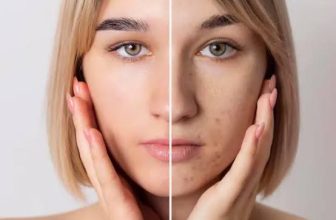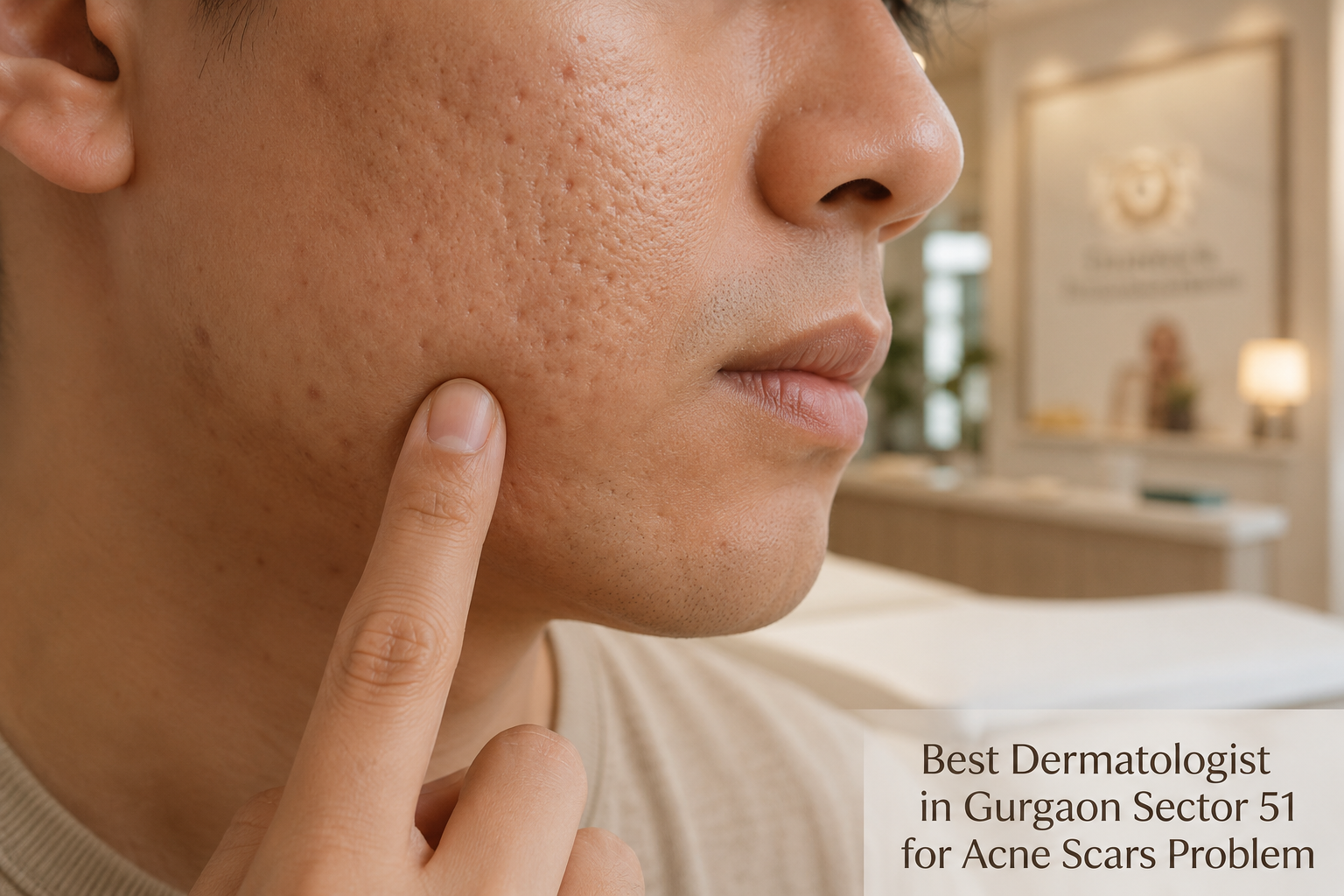
Waking up, looking in the mirror, and seeing deep marks or dark spots left behind by old pimples can feel deeply frustrating. If you are struggling with this, you are not alone.
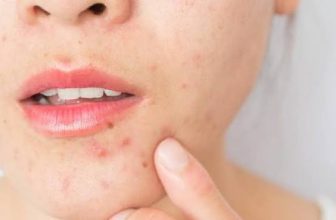
Acne is stressful enough when it actively breakouts on your skin. But when the pimples finally clear up, they often leave behind reminders in the form of stubborn scars. These marks can affect your confidence, make you feel self-conscious in social settings, and leave you wondering if your skin will ever feel smooth again.
Many people spend thousands of rupees on random creams, viral internet remedies, and expensive face washes, only to see zero results. The truth is that acne scars are deep structural changes in the skin, and they require a proper, thoughtful approach to heal.
Whether you are dealing with deep pits, uneven skin texture, or stubborn dark marks, there is hope. By understanding why these scars form and exploring the right care options, you can achieve clearer, smoother skin.
If you are looking for professional guidance, finding the best dermatologist in Gurgaon Sector 51 for acne scars problem can be the turning point in your skincare journey. Let us look at what causes these scars and how you can safely treat them.
Understanding Acne Scars: Why Do They Form?
To fix a problem, we first need to understand why it happens. Acne scars are not just surface blemishes; they form because of how your skin heals after a deep injury.
When a severe pimple, cyst, or nodule develops, it causes deep inflammation in the skin tissue. Your body tries to repair this damage by producing a protein called collagen.
If your body produces too little or too much collagen during the healing process, a scar is left behind.
Here are the primary reasons why acne scars develop on the face:
-
Severe Inflammation: Large, painful, pus-filled pimples damage the deeper layers of the skin far more than small, superficial blackheads or whiteheads.
-
Popping and Picking Pimples: It is incredibly tempting to squeeze a pimple, but doing so forces the bacteria and inflammation deeper into your skin, breaking the delicate tissue and guaranteeing a scar.
-
Delayed Treatment: Leaving severe acne untreated for months or years allows the inflammation to continuously destroy skin tissue, leading to deeper scars.
-
Genetics: Some people naturally have skin that is more prone to scarring or hyperpigmentation due to their genetic makeup.
The Different Types of Acne Scars
Not all acne scars look or behave the same way. Before starting any treatment, it is highly important to identify the exact type of scars you have, as different scars require entirely different solutions.
1. Atrophic or Depressed Scars
These are the most common types of scars caused by severe acne. They look like sunken pits or depressions in the skin and occur when the body does not produce enough collagen while healing the wound. They are divided into three sub-types:
-
Ice Pick Scars: These are small, narrow, but very deep holes that look like the skin was punctured with a sharp ice tool. They are tough to treat with basic creams because they go deep into the dermis.
-
Boxcar Scars: These are round or oval depressions with sharp, vertical edges. They look similar to chickenpox scars and give the skin an uneven, crater-like texture.
-
Rolling Scars: These are wide, shallow depressions that have sloping, rounded edges. They give the skin a wavy, rolling, or uneven appearance under certain lighting.
2. Hypertrophic and Keloid Scars
Unlike depressed scars, these appear as raised, firm bumps on the skin. They happen when your body produces too much collagen during the healing process. They are most commonly found on the jawline, chest, and back.
3. Post-Inflammatory Hyperpigmentation (PIH)
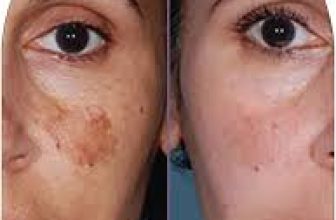
While not technically a permanent scar, these are the flat red, brown, or dark pink marks left behind after a pimple heals. They occur due to an overproduction of melanin (skin pigment) caused by inflammation. Thankfully, PIH is much easier to treat than structural pits.
Daily Habits and Lifestyle Changes for Scar-Prone Skin
Healing your skin starts with how you treat it every single day. Before looking into advanced treatments, changing a few daily habits can prevent new scars from forming and help your skin heal faster.
-
Keep Your Hands Off Your Face: Every time you touch, scratch, or pick at a healing pimple, you tear the skin fibers and introduce new bacteria from your fingers, which worsens the eventual scar.
-
Stay Hydrated and Eat Antioxidants: Your skin needs water and nutrients to rebuild tissue. Drink at least 2-3 liters of water daily and eat foods rich in Vitamin C, Vitamin E, and Zinc, such as citrus fruits, nuts, and green leafy vegetables.
-
Avoid Harsh Face Scrubs: When you have acne marks, it is tempting to use grainy scrubs to “smooth out” the skin. However, physical scrubs cause micro-tears, increase redness, and worsen inflammation. Switch to a gentle, soap-free cleanser instead.
-
Manage Your Stress Levels: High stress releases a hormone called cortisol, which triggers excess oil production, leading to new breakouts and delaying the skin’s natural healing cycle.
Simple Home Care and Over-the-Counter Options
If your acne scars are mild or consist mostly of flat dark spots (PIH), you can start with safe, gentle home care and over-the-counter (OTC) skincare ingredients.
Here are a few practical, helpful tips and ingredients to look for:
Natural Aloe Vera Gel
Pure aloe vera gel contains soothing compounds that reduce skin inflammation and promote tissue regeneration.
-
How to use: Apply fresh, pure aloe vera gel to clean skin before bed. Leave it on overnight and wash it off in the morning. This helps calm redness and hydrates the skin barrier.
The Power of Topical Sunscreen
Sunlight makes acne scars look darker and last much longer. Ultraviolet (UV) rays stimulate melanin production, turning faint pink marks into stubborn dark brown spots.
-
How to use: Apply a broad-spectrum, oil-free sunscreen with at least SPF 30 every single morning, even if you are staying indoors.
Gentle Chemical Exfoliants
Instead of harsh physical scrubs, look for serums or creams containing Alpha Hydroxy Acids (AHAs) or Beta Hydroxy Acids (BHAs).
-
Glycolic Acid or Lactic Acid: These gently dissolve the dead cells on the surface of your skin, slowly fading dark marks and improving overall texture.
-
Salicylic Acid: Excellent for oily skin, it deep-cleans the pores to stop new acne before it can cause scarring.
-
Niacinamide: A form of Vitamin B3 that calms redness, regulates oil production, and fades discoloration over time.
When Should You See a Professional Dermatologist?
Home remedies and over-the-counter creams work well for mild dark spots, but they cannot lift deep, pitted acne scars like ice pick or boxcar scars. This is because creams cannot reach the deep dermal layers where the structural damage exists.
If you have tried retail skincare products for more than two to three months without seeing any visible change, or if your scars are deep and causing you emotional distress, it is time to seek professional medical help.
A qualified dermatologist can evaluate your specific skin type, correctly identify your scar types, and create a targeted treatment plan using safe, modern medical technologies.
Professional Clinical Treatments for Acne Scars
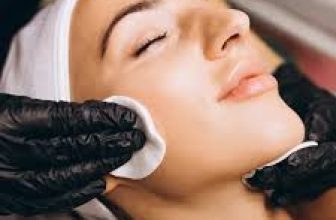
Modern dermatology offers several highly effective, safe, and minimally invasive treatments to significantly reduce the appearance of acne scars.
Depending on your skin condition, a dermatologist may recommend one or a combination of the following options:
Chemical Peels
These are medical-grade acid solutions applied by a professional to deeply exfoliate the skin. They remove the damaged outer layers, encouraging new, smoother skin to grow underneath. They are excellent for flat dark marks and very mild textural irregularities.
Microneedling
This procedure uses a device with tiny, sterile needles to create controlled micro-injuries in the skin. This triggers your body’s natural healing response, flooding the area with fresh collagen and elastin to naturally plump up and fill out depressed scars.
Laser Skin Resurfacing
Fractional lasers deliver precise beams of light energy into the deeper layers of the skin. This breaks down old scar tissue and stimulates rapid collagen production, leading to dramatic improvements in skin texture, smoothness, and tone.
Subcision
For deep rolling scars that are pulled down by bands of scar tissue underneath, a dermatologist performs subcision. A small, specialized needle is inserted under the skin to gently break these tight bands, releasing the scar so the skin surface can lift back up.
Why Choose Dr. Pretty Singla at Pretty Skin Clinic?
When dealing with delicate facial skin, you want to ensure you are in the safest, most experienced hands. If you are searching for the best dermatologist in Gurgaon Sector 51 for acne scars problem, Dr. Pretty Singla is a highly trusted and professional choice.
Dr. Pretty Singla is a qualified expert who understands that no two skin types are the same. At Pretty Skin Clinic, the focus is never on quick, temporary fixes or generic packages. Instead, she takes the time to thoroughly analyze your skin, listen to your concerns, and design a customized treatment journey tailored specifically to your unique scar type and lifestyle.
The clinic is fully equipped with modern, safe, and advanced skincare technologies, ensuring that every procedure is conducted with the highest medical standards of hygiene, care, and comfort.
Whether you need gentle medical peels or advanced collagen-boosting therapies, Dr. Pretty Singla provides honest, practical guidance without any unnecessary exaggeration or false promises.
If home remedies are not providing the results you want and you are ready to restore your skin’s smooth texture, getting an expert opinion is the best step forward. You can book a personal consultation with Dr. Pretty Singla at Pretty Skin Clinic, Gurgaon here → https://prettyskin.in/
Frequently Asked Questions (FAQs) About Acne Scars
1. Can acne scars be removed completely?
While it is scientifically difficult to restore skin to 100% of its original pre-scar state, professional dermatological treatments can improve the depth, texture, and appearance of acne scars by 70% to 90%, making them barely noticeable to the naked eye.
2. How many sessions of professional treatment will I need?
Because collagen remodeling takes time, most people require between 3 to 6 sessions spaced a few weeks apart to see significant, long-lasting structural changes in their skin texture.
3. Is professional acne scar treatment painful?
Most modern procedures are highly tolerable. For treatments like microneedling or laser resurfacing, a high-quality topical numbing cream is applied to your skin beforehand, ensuring you feel minimal to no discomfort during the process.
4. Do home remedies work on deep pitted acne scars?
Unfortunately, no. Home remedies and regular cosmetic creams only work on the very top layer of the skin (the epidermis). Deep pitted scars are located in the deeper layer (the dermis) and require clinical treatments to stimulate new collagen production from within.
5. Will my acne scars return after treatment?
No, once a structural scar is lifted through collagen production or subcision, the results are generally permanent. However, it is vital to control active acne breakouts with the help of your dermatologist so that new scars do not form in the future.
Summary and Key Takeaways
Dealing with acne scars can be a long journey, but it is one you do not have to walk alone. To get the best results, remember these essential points:
-
Stop picking or popping active pimples to protect your skin from deep tissue damage.
-
Wear a broad-spectrum sunscreen daily to keep your existing marks from darkening.
-
Use gentle over-the-counter ingredients like Niacinamide or Salicylic acid for surface stains.
-
Seek clinical treatments like microneedling or lasers for deep, pitted scars.
Investing in your skin is an investment in your confidence. With patience, proper daily habits, and the right medical guidance, achieving smooth, healthy, and clear skin is entirely possible.
If you are ready to stop guessing with random products and want an honest, medical approach to clear your skin, reaching out to the best dermatologist in Gurgaon Sector 51 for acne scars problem is your most effective option.
Take the first step toward smoother, healthier skin today. You can book a friendly, professional consultation with Dr. Pretty Singla at Pretty Skin Clinic, Gurgaon → https://prettyskin.in/
Disclaimer: This article is for informational purposes only. Please consult a qualified dermatologist for a proper diagnosis and personalized treatment plan.