Melasma can be frustrating. You notice dark patches on your cheeks, forehead, nose, or upper lip, and no matter how many creams or home remedies you try, they just don’t seem to fade completely. Sometimes they become lighter for a while, only to return after spending time in the sun or during hormonal changes. If this sounds familiar, you’re not alone.
Many people searching for the best skin specialist near me in Gurgaon for melasma problem are looking for clear answers rather than quick fixes. They want to understand why these patches appear, whether they can be treated, and how to stop them from getting worse.
The good news is that melasma can often be managed with the right combination of skincare, sun protection, lifestyle changes, and professional medical guidance. Every person’s skin is different, which is why a treatment that works for someone else may not work for you.
In this guide, we’ll explain what melasma is, why it happens, practical ways to care for your skin at home, and when it makes sense to consult a qualified dermatologist. By the end, you’ll have a much better understanding of your options and know how to take the next step with confidence.
What Is Melasma?
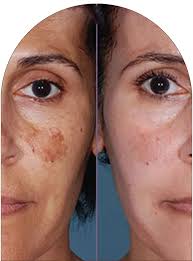
Melasma is a common skin condition that causes brown, gray-brown, or dark patches on the skin. It usually develops on areas that receive the most sunlight, including:
- Cheeks
- Forehead
- Nose
- Upper lip
- Chin
- Jawline
Although melasma is not dangerous or contagious, it can affect self-confidence because the discoloration is often noticeable.
Women are more likely to develop melasma, especially during pregnancy or when hormone levels change. However, men can also experience melasma.
Why Does Melasma Happen?
Melasma develops when the skin produces too much melanin, the natural pigment responsible for skin color.
Several factors may trigger this extra pigment production.
Sun Exposure
The sun is one of the biggest causes of melasma. Even a short time outdoors without sunscreen can make existing patches darker.
Hormonal Changes
Hormonal changes during pregnancy or while taking birth control pills may increase the risk of melasma.
Genetics
If close family members have melasma, your chances of developing it may also be higher.
Skin Irritation
Some skincare products or harsh treatments may irritate sensitive skin and make pigmentation more noticeable.
Heat and Visible Light
Heat from cooking, hot weather, and even certain indoor lighting can sometimes worsen melasma in sensitive individuals.
Common Symptoms of Melasma
Melasma usually appears as:
- Flat brown or gray patches
- Symmetrical patches on both sides of the face
- No itching or pain
- Gradual darkening over time
If your pigmentation changes quickly, becomes painful, bleeds, or looks unusual, it’s important to have it checked by a dermatologist to rule out other skin conditions.
Why You Shouldn’t Ignore Melasma
Melasma isn’t harmful, but leaving it untreated can make it more difficult to manage later.
Some people spend months trying random products found online. Unfortunately, using the wrong creams or harsh exfoliants may irritate the skin and make pigmentation worse.
Getting the correct diagnosis early helps you avoid wasting money on treatments that may not suit your skin type.
Can Melasma Go Away on Its Own?
Sometimes.
If melasma is related to pregnancy, it may fade gradually after childbirth. However, many people continue to experience pigmentation for months or years.
Sun exposure and hormonal changes can also cause melasma to return even after successful treatment.
This is why long-term skincare and sun protection are important.
Home Care Tips That May Help Manage Melasma
While home care cannot completely remove melasma, it can help prevent it from becoming darker.
1. Wear Sunscreen Every Day
This is the single most important step.
Choose a broad-spectrum sunscreen with SPF 30 or higher and reapply it every two to three hours when outdoors.
2. Wear Protective Clothing
Simple habits can make a difference:
- Wear a wide-brim hat
- Use sunglasses
- Carry an umbrella when walking in strong sunlight
3. Avoid Harsh Skincare Products
Scrubbing your skin aggressively or using strong chemical products without guidance may worsen pigmentation.
Stick to gentle cleansers and moisturizers.
4. Be Patient
Melasma usually improves slowly. It often takes several weeks or months before noticeable changes appear.
Lifestyle Changes That Support Healthy Skin
Healthy habits may not cure melasma, but they support overall skin health.
- Stay hydrated throughout the day.
- Eat fruits and vegetables rich in antioxidants.
- Get enough sleep.
- Manage stress whenever possible.
- Avoid unnecessary sun exposure during peak afternoon hours.
These habits also help maintain healthier skin overall.
Over-the-Counter Products That May Help
Some non-prescription skincare ingredients may help improve mild pigmentation.
These include:
- Vitamin C
- Niacinamide
- Azelaic acid
- Gentle exfoliating acids (used carefully)
However, stronger ingredients should only be used under the guidance of a qualified dermatologist because incorrect use may irritate the skin.
When Should You See the Best Skin Specialist Near Me in Gurgaon for Melasma Problem?
If you notice any of the following, it’s a good idea to consult a dermatologist:
- Home remedies are not helping.
- Dark patches continue spreading.
- Pigmentation keeps returning.
- You’ve tried multiple creams without improvement.
- You’re unsure whether it’s actually melasma.
A dermatologist can identify the exact cause of your pigmentation and recommend a treatment plan suited to your skin.
Professional Treatment Options for Melasma
There is no single treatment that works for everyone.
A dermatologist may recommend one or more options depending on your skin type, medical history, and the severity of your pigmentation.
Possible treatments include:
Prescription Creams
These may contain ingredients that help reduce excess pigmentation under medical supervision.
Chemical Peels
Gentle chemical peels may improve certain cases of melasma when performed by trained professionals.
Laser Treatments
Some patients may benefit from carefully selected laser treatments. However, lasers are not suitable for everyone, and choosing the right patient is important.
Customized Skincare Routine
Many people improve with a combination of prescription products, sun protection, and regular follow-up rather than relying on a single treatment.
Dr. Pretty Singla and Pretty Skin Clinic, Gurgaon
If you’re searching for the best skin specialist near me in Gurgaon for melasma problem, choosing an experienced dermatologist can make a significant difference.
Dr. Pretty Singla at Pretty Skin Clinic, Gurgaon provides professional evaluation and personalized treatment plans for pigmentation concerns, including melasma. Instead of recommending the same treatment for everyone, a qualified dermatologist first examines your skin, understands your medical history, and identifies possible triggers before suggesting suitable options.
Depending on your condition, treatment may include prescription medications, advanced dermatology procedures, skincare guidance, and long-term maintenance to help manage pigmentation safely.
If your melasma keeps returning or home remedies aren’t helping, it’s a good idea to get it checked by a dermatologist. You can book a consultation with Dr. Pretty Singla at Pretty Skin Clinic here → https://prettyskin.in/
How Dermatologists Diagnose Melasma
Diagnosis is usually straightforward and may include:
- Reviewing your medical history
- Examining your skin closely
- Asking about medications and hormonal changes
- Discussing your skincare routine
- In some cases, using a Wood’s lamp to assess pigmentation depth
A proper diagnosis helps ensure you’re treating the correct condition.
How Long Does Melasma Treatment Take?
One of the most common questions people ask is how quickly results appear.
The answer depends on several factors:
- How deep the pigmentation is
- Your skin type
- Daily sun exposure
- Hormonal triggers
- Following the treatment plan consistently
Many people notice gradual improvement over several weeks or months rather than overnight.
Consistency is usually more important than trying multiple products at once.
Mistakes That Can Make Melasma Worse
Avoid these common mistakes:
- Skipping sunscreen
- Using random fairness creams
- Trying too many skincare products together
- Scrubbing the skin aggressively
- Expecting instant results
- Stopping treatment too early
Gentle, consistent skincare usually works better than aggressive treatments.
How to Choose the Right Skin Specialist
When looking for a dermatologist, consider:
- Experience in treating pigmentation disorders
- Personalized treatment plans
- Clear explanation of available options
- Realistic expectations rather than promises
- Regular follow-up care
A qualified dermatologist focuses on finding the cause of your pigmentation instead of offering one-size-fits-all solutions.
Frequently Asked Questions
Is melasma permanent?
Not always. Many people experience significant improvement with proper treatment and sun protection, although melasma can return if triggers are not managed.
Can sunscreen alone remove melasma?
No. Sunscreen helps prevent melasma from becoming darker, but existing pigmentation often requires additional treatment.
Which treatment works best for melasma?
There is no universal treatment. The best option depends on your skin type, pigmentation depth, and individual triggers. A dermatologist can recommend the most suitable approach.
Is laser treatment safe for melasma?
Laser treatment may help some patients, but it is not appropriate for everyone. A dermatologist can determine whether it is a suitable option for your condition.
When should I visit the best skin specialist near me in Gurgaon for melasma problem?
If your pigmentation persists despite home care, keeps coming back, or affects your confidence, it’s a good time to seek professional advice.
Conclusion
Melasma is a common skin condition, but it doesn’t have to control your confidence. Understanding what causes it is the first step toward managing it effectively. Daily sunscreen, gentle skincare, healthy lifestyle habits, and patience all play an important role in improving your skin.
If home care isn’t giving you the results you’re hoping for, consulting the best skin specialist near me in Gurgaon for melasma problem can help you receive an accurate diagnosis and a treatment plan designed specifically for your skin. Professional guidance can also help you avoid treatments that may irritate your skin or make pigmentation worse.
If you’d like expert advice tailored to your skin, you can book a consultation with Dr. Pretty Singla at Pretty Skin Clinic, Gurgaon here → https://prettyskin.in/. A qualified dermatologist can assess your condition and guide you toward the most appropriate treatment options.