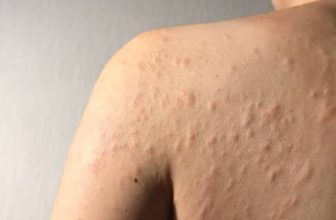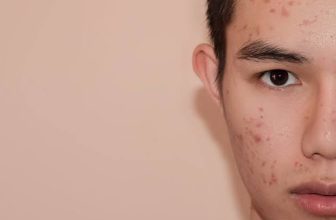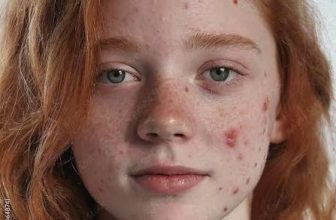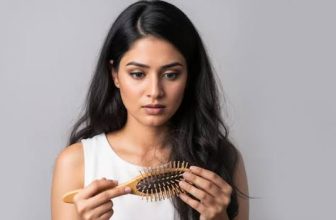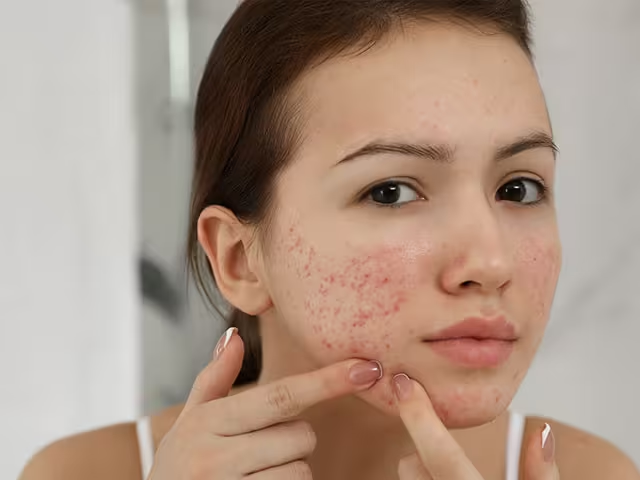
Living with Polycystic Ovary Syndrome (PCOS) can feel like an uphill battle. One day your body feels out of sync, and the next day you wake up to a painful breakout along your jawline. You might also notice unusual hair thinning on your head, or stubborn dark patches around your neck that refuse to fade.
If you are dealing with these symptoms, please know that you are not alone. Millions of women face these exact challenges every single day. It is incredibly frustrating when standard skincare products do not work. You buy expensive creams, try popular face washes, and hope for a miracle, only to find your skin looking the same or even worse.
The truth is, PCOS skin issues are not just surface-level problems. They start deep inside your body due to hormonal imbalances. To truly heal your skin, you need to understand what is happening underneath.
Finding the right guidance makes all the difference. If you are tired of guesswork and want real relief, consulting the best dermatologist in Gurgaon for PCOS related skin problem can help you regain your confidence. Let us break down exactly why PCOS affects your skin and how you can take control of it.
What is PCOS and How Does It Affect Your Skin?
PCOS is a common hormonal condition that affects how a woman’s ovaries work. When you have PCOS, your body produces slightly higher levels of male hormones called androgens.
While everyone has these hormones, an excess of them can trigger a chain reaction in your skin. Here is how these hormonal changes show up on the outside:
-
Excessive Sebum Production: Androgens tell your oil glands to go into overdrive. This extra oil mixes with dead skin cells and clogs your pores.
-
Severe Acne: Clogged pores lead to deep, painful cystic acne. This type of acne usually appears on the lower face, jawline, chin, and neck.
-
Hirsutism (Excess Facial Hair): High androgen levels can cause thick, dark hair to grow in places like your chin, upper lip, chest, or stomach.
-
Female Pattern Hair Loss: While you might get extra hair on your face, you may lose hair on your scalp. This thinning usually happens near your parting.
-
Acanthosis Nigricans (Dark Patches): Many women with PCOS have insulin resistance. This causes velvety, dark patches of skin to form around the neck, armpits, or groin.
Why Standard Acne Treatments Often Fail for PCOS
If you have tried over-the-counter acne creams and found no relief, there is a simple reason why. Most standard acne treatments only target surface bacteria or mild oil production. They do not address the hormonal storm happening inside your body.
PCOS acne is deeply tied to your internal health. To treat it successfully, you need a holistic approach. This means combining targeted skincare with lifestyle changes, dietary shifts, and sometimes medical treatments that balance your hormones.
A cookie-cutter skincare routine will not cut it. This is why working with a professional who understands hormonal health is so important.
Natural and Home Care Tips for PCOS Skin
Before looking at medical treatments, there are several simple, practical steps you can take at home to soothe your skin. These lifestyle adjustments help manage insulin levels and reduce inflammation.
1. Simplify Your Skincare Routine
When your skin is breaking out, it is tempting to use five different acne products at once. However, this often irritates your skin barrier and makes acne worse.
-
Use a gentle, non-foaming cleanser twice a day.
-
Apply a lightweight, oil-free, non-comedogenic moisturizer to keep your skin hydrated without clogging pores.
-
Never skip sunscreen during the day, as sun exposure can worsen the dark spots left behind by acne.
2. Focus on an Anti-Inflammatory Diet
What you eat directly impacts your insulin levels and hormones. Try to incorporate these dietary changes:
-
Lower your sugar intake: Avoid sugary drinks, white bread, pastries, and processed foods that spike your blood sugar.
-
Eat more fiber: Vegetables, whole grains, lentils, and beans help stabilize your blood sugar levels.
-
Include healthy fats: Foods like walnuts, flaxseeds, chia seeds, and fatty fish help reduce systemic inflammation.
3. Practice Stress Management
High stress levels trigger your adrenal glands to produce more cortisol and androgens, which can worsen breakouts.
-
Try to get 7 to 8 hours of quality sleep every night.
-
Incorporate light, enjoyable exercises like walking, yoga, or swimming. Avoid extreme, high-intensity workouts if they leave you feeling completely exhausted, as they can sometimes raise cortisol levels too high.
Over-the-Counter Options to Look For
If you are shopping for skincare products, look for specific active ingredients that are known to help with hormonal skin issues:
-
Salicylic Acid: This is a beta-hydroxy acid (BHA) that goes deep inside your pores to dissolve excess oil and dead skin cells. It is excellent for preventing blackheads and breakouts.
-
Niacinamide: A form of Vitamin B3 that reduces redness, calms inflammation, and helps fade dark spots left behind by old acne.
-
Azelaic Acid: This gentle ingredient targets acne-causing bacteria and helps lighten dark patches (hyperpigmentation) safely.
When Should You See a Professional?
While home remedies and over-the-counter products are great for daily maintenance, they have their limits. If you have been struggling with deep, painful cysts, rapid hair thinning, or dark skin patches that do not budge, it is time to seek professional medical help.
PCOS is a medical condition, and its skin symptoms require a medical approach. A dermatologist can look at your skin, understand your overall health, and create a targeted treatment plan that goes beyond the surface.
Meet Dr. Pretty Singla: Your Partner in PCOS Skin Care
If you are looking for the best dermatologist in Gurgaon for PCOS related skin problem, Dr. Pretty Singla at Pretty Skin Clinic is a highly trusted and compassionate choice.
Dr. Pretty Singla understands that PCOS skin issues are not just cosmetic concerns—they deeply affect your self-esteem, mental peace, and daily life. At Pretty Skin Clinic, the focus is never on quick, temporary fixes. Instead, Dr. Pretty Singla and her team take a detailed, personalized approach to understand the root cause of your symptoms.
Why Choose Pretty Skin Clinic for PCOS?
-
Comprehensive Assessment: Your journey begins with a thorough evaluation of your hormonal history, lifestyle, and current symptoms to understand your unique body chemistry.
-
Customized Acne Protocols: Instead of generic creams, you receive a tailored treatment plan that may combine prescription topical treatments, oral medications to balance hormones, and gentle clinical therapies.
-
Advanced Hair Restoration: If you are dealing with PCOS-related hair thinning, the clinic offers modern, safe treatments to stimulate hair follicles and encourage healthy regrowth.
-
Targeted Pigmentation Treatments: Safe, medical-grade treatments are available to gently lighten dark, velvety patches of skin and post-acne scars.
-
Empathetic Care: You are treated with warmth and respect. The clinic provides a comfortable, judgment-free space where your concerns are heard and valued.
If home remedies aren’t helping and this problem keeps coming back, it’s a good idea to get it checked by a dermatologist. You can book a consultation with Dr. Pretty Singla at Pretty Skin Clinic, Gurgaon → https://prettyskin.in/
What to Expect During a Professional Dermatology Consultation
When you visit a qualified dermatologist for PCOS skin concerns, your treatment will be highly customized. Depending on your specific symptoms, a professional plan might include:
Medical Therapies
-
Hormonal Regulation: Your dermatologist may work alongside your gynecologist or endocrinologist to recommend specific oral medications that help regulate androgen levels.
-
Prescription Topicals: This can include medical-grade retinoids or topical antibiotics that are much stronger and more effective than over-the-counter options.
Clinical Procedures
-
Salicylic Acid Peels: These professional chemical peels exfoliate the deeper layers of your skin, unclogging pores and reducing active acne quickly.
-
Laser Hair Reduction: For stubborn facial hair caused by hirsutism, medical-grade laser treatments can safely and effectively reduce hair growth over time.
-
Microneedling or Laser Resurfacing: Once your acne is under control, these treatments can help smooth out deep scars and restore your skin’s natural texture.
FAQs About PCOS and Skin Problems
1. Can PCOS acne be cured completely?
While there is no permanent “cure” for PCOS itself, PCOS-related acne can be successfully managed and kept completely under control. By balancing your hormones, maintaining a healthy lifestyle, and using the right medical skincare treatments, you can enjoy clear, healthy skin.
2. Why does PCOS cause hair growth on the face but hair loss on the scalp?
This happens because of how hair follicles in different areas respond to male hormones (androgens). High androgen levels stimulate the hair follicles on your face, causing thick hair to grow. However, those same hormones shrink the hair follicles on your scalp, leading to thinning and hair fall.
3. How long does it take to see results from PCOS skin treatments?
Skin cells take about 4 to 6 weeks to renew. Because PCOS treatments target internal hormonal issues, it typically takes 8 to 12 weeks of consistent treatment to see noticeable, lasting improvements in your skin and hair. Patience and consistency are key.
4. Will changing my diet alone clear my PCOS acne?
Dietary changes play a major role in managing insulin levels and reducing internal inflammation, which definitely helps your skin. However, for moderate to severe PCOS acne, a combination of dietary changes, proper home skincare, and targeted medical treatments from a dermatologist is usually necessary for the best results.
5. Are clinical treatments like chemical peels safe for sensitive PCOS skin?
Yes, when performed by a qualified dermatologist, chemical peels and other clinical procedures are very safe. A dermatologist will assess your skin type and choose the exact strength and type of peel that will benefit your skin without causing irritation or damage.
Take the First Step Toward Healthier Skin
Dealing with PCOS can feel exhausting, but your skin does not have to be a constant source of stress. By understanding the hormonal roots of your symptoms, making mindful lifestyle choices, and seeking professional guidance, you can absolutely achieve clear, radiant skin and healthy hair.
You do not have to navigate this journey alone. Professional help is available to guide you every step of the way with safe, science-backed solutions tailored specifically for your body.
If you are ready to stop guessing and start healing your skin from the inside out, consider reaching out to a specialist who truly understands. You can book a consultation with Dr. Pretty Singla at Pretty Skin Clinic here → https://prettyskin.in/