
If you have recently had a baby, congratulations! Welcoming a new life into the world is a beautiful, life-changing experience. However, amid the joy of holding your little one, you might have noticed something alarming in your bathroom.
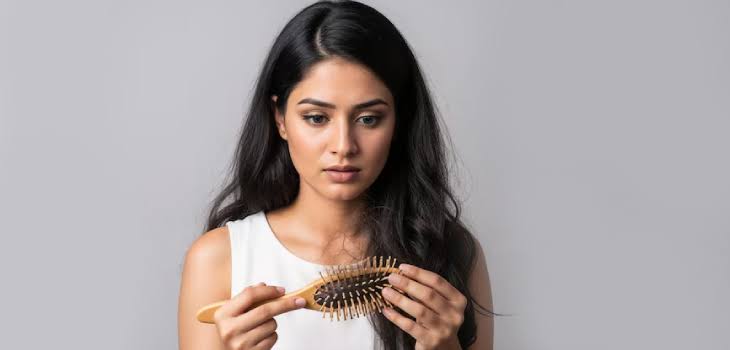
Every time you brush your hair or take a shower, clumps of hair seem to fall out. Your hairbrush is full, your pillow has loose strands, and you might even feel your ponytail getting thinner.
First, take a deep breath. You are not alone, and you are not going bald. What you are experiencing is called postpartum hair fall, and it is incredibly common.
Almost half of all new mothers experience this sudden hair shedding a few months after giving birth. While it can feel incredibly stressful, there are highly effective ways to manage it.
If you are looking for guidance, consulting the best skin specialist in Gurgaon for postpartum hair fall problem can help you get your hair health back on track safely. Let us look closely at why this happens and what you can do about it.
What is Postpartum Hair Fall?
To understand postpartum hair loss, we need to look at how our hair grows. At any given time, about 90% of your hair is actively growing. This is called the growing phase. The other 10% is in a resting phase, after which it naturally falls out to make room for new hair.
When you are pregnant, your body experiences a massive surge in hormones, especially estrogen. This high level of estrogen keeps your hair in the growing phase for much longer than usual.
During pregnancy, you probably noticed that your hair felt thicker, shinier, and healthier than ever. You were barely losing any hair at all.
Once your baby is born, your hormone levels drop rapidly back to normal. This sudden drop shocks your hair follicles. All the hair that was supposed to fall out over the last nine months suddenly enters the resting phase at the same time.
About three to four months after giving birth, this hair begins to shed all at once. This is why you see sudden, heavy hair fall.
Common Symptoms of Postpartum Hair Loss
It is helpful to know what is normal and what might need a doctor’s attention. Here are the common signs of postpartum hair shedding:
-
Sudden Shedding: You will notice a lot of hair on your hairbrush, pillow, and clothing.
-
Thinning Around the Hairline: Many women notice their hair looking thinner right above their forehead and temples.
-
Clumps in the Shower: Seeing more hair than usual down the shower drain is the most common complaint.
-
Smaller Ponytail: You might notice that when you tie your hair, it feels much lighter and thinner.
For most women, this shedding peaks around three to four months after childbirth. In most cases, it begins to slow down naturally within six to nine months.
When Does Postpartum Hair Fall Become a Problem?
While some hair shedding is completely normal after pregnancy, there are times when it might indicate a deeper issue. You should consider seeking professional help if:
-
Your hair shedding continues past your baby’s first birthday.
-
You notice distinct bald patches or circular spots on your scalp.
-
Your scalp feels itchy, painful, red, or flaky.
-
You feel extremely tired, are losing weight rapidly, or are feeling unusually cold (which could point to postpartum thyroid issues).
If your hair loss is causing you severe anxiety or does not seem to slow down, talking to a dermatologist can bring peace of mind and a clear path forward.
Practical Home Care Tips and Lifestyle Changes
Before exploring medical treatments, there are several simple, safe, and practical steps you can take at home to protect your hair and encourage healthy regrowth.
1. Be Gentle with Your Hair
Your hair is weaker than usual right now, so treat it with extra care. Avoid tight hairstyles like high ponytails, tight braids, or buns that pull on your scalp. Use a wide-tooth comb to untangle your hair gently, starting from the ends and working your way up.
2. Skip the Heat Styling
For the next few months, try to put away your flat irons, curling rods, and blow dryers. High heat weakens the hair shaft, making it break easily. Let your hair air-dry naturally whenever possible.
3. Eat a Nutrient-Rich Diet
Your body needs plenty of vitamins and minerals to rebuild and grow healthy hair. Focus on eating a colorful variety of whole foods.
-
Protein: Hair is made of protein, so make sure to include lentils, eggs, lean meats, and dairy in your meals.
-
Iron and Spinach: Low iron levels can worsen hair loss. Eat green leafy vegetables, beans, and seeds.
-
Healthy Fats: Walnuts, almonds, and chia seeds provide essential fatty acids that nourish your scalp.
4. Switch to a Volumizing Shampoo
While a shampoo cannot stop hormonal hair fall, it can change how your hair looks. Use a lightweight, volumizing shampoo and conditioner. Avoid heavy conditioners that weigh your hair down and make it look thinner. Apply conditioner only to the ends of your hair, never the scalp.
When to Seek Professional Dermatology Treatment
If your hair fall is severe, or if home remedies are not giving you peace of mind, it is time to consult a medical expert. A qualified dermatologist can run blood tests to check your iron levels, thyroid function, and vitamin levels.
Here are some of the safe, professional treatments a skin specialist might discuss with you:
-
Prescription Topicals: Safe lotions or serums designed to stimulate hair follicles.
-
Nutritional Supplements: Targeted vitamins like Biotin, Vitamin D, and Iron, prescribed safely for breastfeeding mothers.
-
Advanced Scalp Therapies: Minimally invasive treatments that use your body’s own growth factors to naturally stimulate hair regrowth.
Why Choose Dr. Pretty Singla at Pretty Skin Clinic, Gurgaon?
When dealing with postpartum hair fall, you want a doctor who understands both the science of hair loss and the unique challenges of being a new mother.
Dr. Pretty Singla is widely recognized as the best skin specialist in Gurgaon for postpartum hair fall problem. At Pretty Skin Clinic, she provides a warm, welcoming, and highly professional environment where your concerns are truly heard.
A Personalized, Safe Approach
Dr. Pretty Singla believes that no two individuals are the same. She takes the time to thoroughly examine your scalp, evaluate your medical history, and check for any underlying nutritional deficiencies that might be delaying your hair recovery.
Because many new mothers are breastfeeding, Dr. Pretty Singla focuses on treatments that are completely safe for both you and your baby.
Why Expert Guidance Matters
It is easy to get lost in the sea of online advice, expensive hair oils, and miracle shampoos. Many of these products contain harsh chemicals that can irritate a sensitive scalp.
A qualified dermatologist like Dr. Pretty Singla helps you cut through the noise, saving you time and money by prescribing only what your body actually needs.
If home remedies are not helping and your hair loss is causing you worry, it is a good idea to get it checked by a specialist. You can book a consultation with Dr. Pretty Singla at Pretty Skin Clinic here → https://prettyskin.in/
Frequently Asked Questions (FAQs)
1. Can breastfeeding cause my hair to fall out?
No, breastfeeding does not cause hair loss. Postpartum hair fall is triggered by the sudden drop in pregnancy hormones (estrogen) after childbirth. It happens to both breastfeeding and bottle-feeding mothers alike.
2. Is postpartum hair loss permanent?
No, it is not permanent. For the vast majority of women, postpartum hair loss is a temporary phase. Your hair follicles are not damaged; they are simply taking a temporary break. Most women see their hair return to its normal fullness within a year.
3. Are hair fall treatments safe if I am breastfeeding?
Yes, many treatments are perfectly safe, but you must consult a professional. Some oral medications and strong topical solutions are not recommended during breastfeeding. Dr. Pretty Singla can guide you toward safe, gentle options that will protect your baby’s health while restoring your hair.
4. When should I see a doctor for postpartum hair loss?
You should consider seeing a dermatologist if your hair is falling out in large clumps, if you notice bald spots, if your scalp feels itchy or painful, or if the shedding continues beyond one year after giving birth.
Conclusion
Losing your hair when you are already dealing with sleep deprivation and the demands of caring for a newborn can feel overwhelming. It is completely natural to feel concerned, but remember that this is a temporary phase that your body is going through as it heals.
By taking care of your diet, being gentle with your hair, and giving your body time, your hair will most likely bounce back on its own.
However, you do not have to navigate this journey alone. If you want professional guidance, tailored advice, and safe treatment options, reaching out to the best skin specialist in Gurgaon for postpartum hair fall problem is a wonderful step toward reclaiming your confidence.
If you feel your hair fall is not slowing down and you want a professional, safe assessment, we are here to help. You can book a friendly consultation with Dr. Pretty Singla at Pretty Skin Clinic, Gurgaon → https://prettyskin.in/


