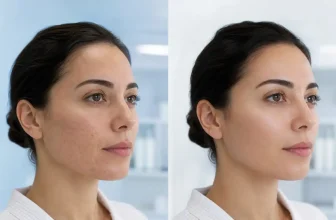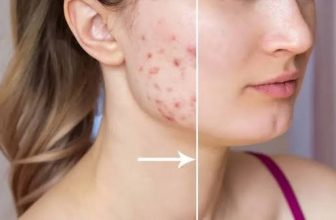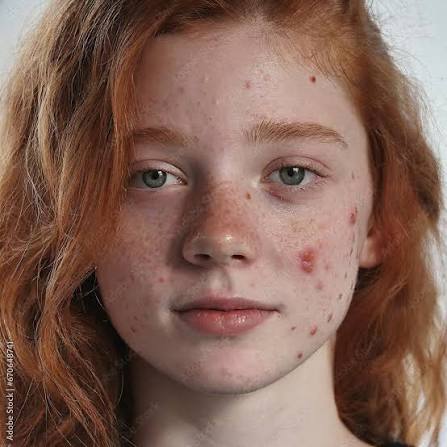
Teenage acne is one of the most common skin concerns during adolescence. While many people think it’s just a normal part of growing up, acne can affect much more than your skin. It can make teenagers feel self-conscious, lower their confidence, and even leave permanent scars if not treated properly. If you’ve tried different face washes, home remedies, or skincare products without much success, you’re not alone. Acne can be stubborn because it often starts with changes happening inside the body, especially during puberty.
The good news is that teenage acne is treatable. With the right skincare routine, healthy habits, and professional guidance when needed, most teenagers can manage breakouts and reduce the risk of acne scars. The key is understanding what causes acne and choosing treatments that suit your skin instead of trying every product you see online.
If you’re searching for the Best Dermatologist in Gurgaon for Teenage Acne Problem, this guide will help you understand why acne develops, what treatments are available, simple home care tips, and when it’s time to consult a qualified dermatologist.
What Is Teenage Acne?
Teenage acne is a skin condition that usually begins during puberty. Hormonal changes increase the production of oil (sebum), which can clog pores. When oil mixes with dead skin cells and bacteria, it creates pimples and other types of acne.
Teenage acne can appear on:
- Face
- Forehead
- Chin
- Nose
- Chest
- Back
- Shoulders
Acne may range from a few blackheads to painful cysts that need medical treatment.
What Causes Teenage Acne?
Several factors can contribute to teenage acne.
Hormonal Changes
During puberty, hormone levels rise. These hormones increase oil production, making pores more likely to become blocked.
Excess Oil Production
Too much natural oil traps dirt, bacteria, and dead skin cells inside the pores, leading to breakouts.
Genetics
If your parents had acne during their teenage years, you may be more likely to experience it too.
Stress
Stress from school, exams, or personal life doesn’t directly cause acne but can make existing breakouts worse.
Wrong Skincare Products
Heavy creams, oily makeup, or harsh scrubs can irritate the skin or clog pores, making acne more difficult to control.
Common Symptoms of Teenage Acne
Teenage acne doesn’t look the same for everyone.
Common signs include:
- Blackheads
- Whiteheads
- Red pimples
- Pus-filled pimples
- Painful cysts
- Oily skin
- Acne marks
- Acne scars
If acne becomes painful, spreads across large areas, or starts leaving scars, it’s important to seek professional advice.
Why Teenage Acne Shouldn’t Be Ignored
Many people think acne will simply disappear with age. While mild acne often improves over time, severe or untreated acne can cause long-term problems.
These include:
- Permanent acne scars
- Dark spots after pimples heal
- Uneven skin texture
- Low self-confidence
- Emotional stress
Treating acne early may help prevent these issues and improve overall skin health.
Simple Home Care Tips for Teenage Acne
Good skincare habits can make a noticeable difference.
Wash Your Face Gently
Clean your face twice a day with a gentle cleanser.
Avoid scrubbing hard, as this can irritate your skin.
Don’t Pop Pimples
Squeezing pimples can:
- Push bacteria deeper into the skin
- Increase inflammation
- Cause scars
- Delay healing
Moisturize Every Day
Even oily skin needs moisture.
Choose a lightweight, oil-free moisturizer labeled non-comedogenic.
Wear Sunscreen Daily
Use sunscreen with SPF 30 or higher to protect your skin and prevent acne marks from becoming darker.
Lifestyle Changes That May Help
Healthy habits support healthy skin.
Eat a Balanced Diet
Include:
- Fresh fruits
- Vegetables
- Whole grains
- Lean proteins
- Plenty of water
Some teenagers also find it helpful to reduce sugary drinks and highly processed snacks, although triggers can vary from person to person.
Sleep Well
Aim for 8–10 hours of sleep every night. Good sleep supports healthy skin and helps the body recover.
Stay Active
Regular exercise improves blood circulation and overall health. Remember to wash your face after sweating to keep pores clean.
Manage Stress
Simple activities such as walking, yoga, meditation, or listening to music can help reduce stress, which may also improve your skin.
Over-the-Counter Treatments
Mild acne may improve with products containing:
- Salicylic Acid – Helps unclog pores.
- Benzoyl Peroxide – Helps reduce acne-causing bacteria.
- Niacinamide – Helps calm redness.
- Azelaic Acid – May reduce acne and acne marks.
Use these products as directed and avoid trying too many active ingredients at once, as this may irritate your skin.
Common Mistakes That Make Acne Worse
Avoid these habits:
- Washing your face too often
- Using harsh scrubs daily
- Sleeping with makeup on
- Touching your face frequently
- Sharing towels or makeup
- Skipping moisturizer
- Trying a new acne product every few days
Consistency is more important than using many products.
When Should You See a Dermatologist?
It’s a good idea to consult a dermatologist if:
- Acne is painful.
- Pimples keep coming back.
- Over-the-counter products haven’t helped after several weeks.
- Acne is leaving scars or dark spots.
- Breakouts are affecting your confidence or daily life.
A dermatologist can identify the cause of your acne and recommend a treatment plan suited to your skin.
Professional Treatments for Teenage Acne
Depending on your skin condition, a dermatologist may recommend:
- Prescription acne creams
- Oral medications
- Chemical peels
- Treatments for acne scars after active acne is controlled
- A personalized skincare routine
Professional treatment focuses on reducing active acne, preventing new breakouts, and lowering the risk of permanent scarring.
Best Dermatologist in Gurgaon for Teenage Acne Problem
If you’re looking for the Best Dermatologist in Gurgaon for Teenage Acne Problem, choosing an experienced skin specialist is important. Every teenager’s skin is different, and acne treatment should be based on the type and severity of the condition rather than a one-size-fits-all approach.
Dr. Pretty Singla at Pretty Skin Clinic, Gurgaon provides personalized care for acne-prone skin. After carefully assessing your skin and medical history, she may recommend a treatment plan that includes prescription medications, skincare advice, or in-clinic procedures if needed. The goal is to manage acne effectively while helping reduce the chances of acne scars.
If home remedies and pharmacy products are not giving you the results you want, it’s a good idea to consult a qualified dermatologist. You can book a consultation with Dr. Pretty Singla at Pretty Skin Clinic, Gurgaon → https://prettyskin.in/
How to Prevent Future Breakouts
While acne cannot always be prevented completely, these habits may help reduce future breakouts:
- Follow a consistent skincare routine.
- Clean your face after sweating.
- Wash pillowcases regularly.
- Keep your hair clean if it’s oily.
- Avoid picking at pimples.
- Use non-comedogenic skincare and makeup products.
- Eat a balanced diet and stay hydrated.
Small daily habits often make a big difference over time.
Frequently Asked Questions
Can teenage acne go away on its own?
Mild acne often improves as hormone levels stabilize with age. However, moderate or severe acne may require treatment to prevent scars.
Is it okay to pop pimples?
No. Popping pimples increases the risk of infection, inflammation, and permanent scarring.
How long does acne treatment take to work?
Most acne treatments take 6 to 12 weeks to show noticeable improvement. Consistency is important.
Can diet cause teenage acne?
Diet alone doesn’t cause acne, but some people find that reducing sugary or highly processed foods helps improve their skin.
Who is the best dermatologist in Gurgaon for teenage acne problem?
If you’re looking for expert guidance, Dr. Pretty Singla at Pretty Skin Clinic, Gurgaon is a trusted option for diagnosing teenage acne and creating a personalized treatment plan based on your skin’s needs.
Conclusion
Teenage acne is common, but that doesn’t mean you have to live with painful breakouts or acne scars. A gentle skincare routine, healthy lifestyle habits, and the right treatment can make a significant difference. The earlier acne is managed, the better the chances of preventing long-term skin damage.
If you’re searching for the Best Dermatologist in Gurgaon for Teenage Acne Problem, remember that professional advice can help you understand the root cause of your acne and choose treatments that are safe and effective for your skin.
If your acne keeps coming back or isn’t improving with home care, consider booking a consultation with Dr. Pretty Singla at Pretty Skin Clinic, Gurgaon → https://prettyskin.in/. A qualified dermatologist can help diagnose your skin condition and guide you toward the most suitable treatment plan.