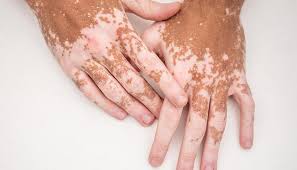
Seeing white patches appear on your skin can be a deeply unsettling experience. If you have recently noticed these changes, you might be feeling anxious, confused, or even a bit overwhelmed. It is completely natural to feel this way.
Our skin is a major part of our identity and how we present ourselves to the world. When it changes unexpectedly, it can affect our self-esteem and peace of mind.
Vitiligo is a skin condition that causes the skin to lose its natural color in patches. It is not contagious, it is not painful, and it is definitely nothing to be ashamed of. However, managing it requires patience, the right information, and professional guidance.
If you are searching for the best dermatologist in Gurgaon for vitiligo treatment problem, you are likely looking for someone who understands not just the medical side of this condition, but the emotional journey that comes with it.
In this guide, we will break down everything you need to know about vitiligo. We will look at why it happens, what you can do at home to protect your skin, and how a qualified skin specialist can help you manage it safely and effectively.
What Exactly is Vitiligo?
To understand vitiligo, we have to look at how our skin gets its color. Our body has special cells called melanocytes. These cells produce a pigment called melanin, which gives our skin, hair, and eyes their natural shade.
In people with vitiligo, these pigment-producing cells stop working or are destroyed. When these cells die or stop making melanin, the skin in that area loses its color and turns white or light pink.
These white patches can appear anywhere on the body. They are most common on areas that get a lot of sun exposure, such as the hands, feet, arms, face, and lips. Sometimes, vitiligo can also affect the hair, causing a patch of hair on the scalp, eyelashes, or eyebrows to turn white or grey prematurely.
Why Does Vitiligo Happen?
There are many myths surrounding vitiligo, which can cause unnecessary worry. Let us clear the air and look at the actual science behind why this condition occurs.
1. Autoimmune Response
The most common cause of vitiligo is an autoimmune reaction. Your immune system is designed to protect you from harmful bacteria and viruses. Sometimes, the immune system gets confused and starts attacking the body’s own healthy cells instead. In the case of vitiligo, the immune system mistakenly targets and destroys the melanocytes.
2. Genetic Factors
Family history plays a significant role in vitiligo. If someone in your close family has vitiligo or another autoimmune condition (like thyroid issues or alopecia), you may have a slightly higher chance of developing it. However, it is not a guarantee that you will get it.
3. Severe Sunburn or Skin Trauma
Sometimes, a specific event can trigger the start of vitiligo patches. A very bad sunburn, physical injury to the skin (like a deep cut or scrape), or contact with harsh industrial chemicals can trigger the condition in people who are already genetically prone to it.
4. High Stress Levels
Physical or emotional stress does not directly cause vitiligo, but it can act as a trigger. Many people notice new white patches appearing or existing patches expanding during times of extreme stress.
Recognizing the Common Symptoms of Vitiligo
Vitiligo can start at any age, though it often first appears before the age of 30. Here are the primary signs to watch out for:
-
Patchy Loss of Skin Color: This is the most obvious sign. The patches usually start small and may gradually become larger and whiter over time.
-
Premature Graying of Hair: You might notice your hair, eyelashes, eyebrows, or beard turning grey or white at a young age.
-
Loss of Color Inside the Mouth: The tissues lining the inside of your mouth and nose can also lose their color.
-
Symmetrical Patches: Often, the white patches appear symmetrically on both sides of the body—for example, on both knees or both hands.
Practical Everyday Tips to Manage Vitiligo at Home
While home remedies cannot cure vitiligo, they play a crucial role in protecting your skin, preventing the patches from spreading, and keeping your skin healthy. Here are some simple, practical steps you can take every day:
1. Shield Your Skin from the Sun
Skin patches affected by vitiligo lack melanin, which means they do not have natural protection against harmful ultraviolet (UV) rays. These areas can sunburn very easily.
-
Apply a broad-spectrum sunscreen with an SPF of 30 or higher every single day, even when it is cloudy.
-
Reapply sunscreen every two hours if you are outdoors.
-
Wear protective clothing, such as long-sleeved shirts, wide-brimmed hats, and sunglasses, to physically block the sun.
2. Avoid Skin Injuries
In people with vitiligo, a skin injury can sometimes cause a new white patch to develop at the site of the wound. This is known as the Koebner phenomenon.
-
Avoid getting tattoos, as the needles can trigger new patches.
-
Be gentle when shaving or exfoliating your skin.
-
Avoid wearing tight clothing or shoes that rub constantly against your skin.
3. Eat a Nutrient-Rich Diet
A healthy diet supports your overall immune system and skin health. While there is no specific “vitiligo diet,” some nutrients are highly beneficial:
-
Antioxidant-Rich Foods: Eat plenty of leafy greens, berries, apples, and carrots. Antioxidants help fight oxidative stress in the body, which can damage skin cells.
-
Vitamin B12 and Folic Acid: Some studies suggest that deficiencies in these vitamins are common in people with vitiligo. Include whole grains, dairy, and green vegetables in your daily meals.
-
Stay Hydrated: Drink plenty of water throughout the day to keep your skin hydrated and assist with cellular health.
4. Manage Stress Naturally
Since stress can trigger or worsen vitiligo, finding ways to relax is highly beneficial for your skin and mind.
-
Practice simple deep-breathing exercises or meditation for 10 minutes a day.
-
Engage in gentle physical activities like walking, yoga, or cycling.
-
Ensure you get 7 to 8 hours of quality sleep every night.
Professional Vitiligo Treatment Options
While lifestyle changes help protect your skin, a dermatologist can provide targeted medical treatments to slow down the condition or restore color to the white patches.
Because everyone’s skin is unique, a treatment that works wonders for one person might not work for another. A specialist will assess the stability of your vitiligo before suggesting any of the following approaches:
Topical Medications
For small or early-stage patches, prescription creams are often the first line of defense. These can include corticosteroid creams to reduce inflammation or calcineurin inhibitors to help regulate the local immune response in the skin. These creams must be used under strict medical supervision to avoid side effects like skin thinning.
Phototherapy (Light Therapy)
This is a highly common and effective treatment for widespread vitiligo. It involves exposing the skin to controlled medical ultraviolet light (typically Narrowband UVB). Phototherapy can help slow down the spread of active vitiligo and encourage the melanocytes to start producing pigment again.
Oral Medications
If the vitiligo is spreading rapidly, a dermatologist may prescribe oral medications, such as low-dose steroids or immunosuppressants, for a short period. This helps calm down the overactive immune response and stabilize the condition.
Surgical Options
For individuals whose vitiligo has been completely stable (meaning no new patches have appeared and existing patches have not grown for at least a year), surgical options can be considered. These include skin grafting or cellular grafting, where healthy, pigmented skin cells are transplanted to the white areas.
Why You Need a Trusted Dermatologist for Vitiligo
Vitiligo is a complex condition that varies greatly from person to person. Trying to treat it with unverified online remedies, miracle creams, or self-medication can do more harm than good. Some harsh over-the-counter creams can irritate the skin and actually trigger new patches to form.
To manage vitiligo safely, you need an experienced specialist who can:
-
Accurately diagnose the type of vitiligo you have.
-
Check if your vitiligo is active (spreading) or stable.
-
Design a personalized, step-by-step treatment plan that fits your lifestyle.
-
Monitor your skin regularly to ensure the treatments are working safely without side effects.
Finding the best dermatologist in Gurgaon for vitiligo treatment problem is the first step toward regaining control over your skin’s health.
Meet Dr. Pretty Singla: Expert Care at Pretty Skin Clinic, Gurgaon
If you are looking for compassionate, expert, and highly personalized care for vitiligo in Gurgaon, Dr. Pretty Singla is an exceptional choice.
At Pretty Skin Clinic, the focus is entirely on the patient’s well-being and comfort. Dr. Pretty Singla believes that vitiligo is not just a skin condition; it is a deeply personal journey. She takes the time to listen to your concerns, answer your questions, and understand how the condition affects your daily life.
Instead of offering generic solutions, Dr. Pretty Singla provides a thorough medical evaluation to determine the stability of your vitiligo. Her approach combines advanced, evidence-based medical treatments with practical lifestyle guidance. Whether you require topical therapies, phototherapy, or advanced stabilization treatments, you can expect honest advice, realistic expectations, and professional care every step of the way.
The clinic is equipped with modern, safe dermatological technologies, ensuring that you receive the highest standard of care in a comfortable and welcoming environment.
If you are looking for expert guidance to manage your skin changes, professional help can make all the difference. You can book a consultation with Dr. Pretty Singla at Pretty Skin Clinic here → https://prettyskin.in/
Frequently Asked Questions About Vitiligo
1. Is vitiligo completely curable?
There is currently no permanent cure for vitiligo, but the condition can be managed highly effectively. Modern treatments can help halt the spread of white patches, restore lost skin color (repigmentation), and stabilize the skin.
2. Can eating sour foods or drinking milk cause vitiligo?
No, this is a very common myth. There is absolutely no scientific evidence linking foods like fish, milk, citrus fruits, or sour foods to vitiligo. It is an autoimmune and genetic condition, not a food allergy or dietary reaction.
3. Does vitiligo spread to other people?
No, vitiligo is completely non-contagious. It cannot spread through touch, sharing food, physical contact, or breathing the same air.
4. How long does it take to see results from vitiligo treatment?
Skin repigmentation is a slow process. It typically takes at least 3 to 6 months of consistent treatment to start seeing visible changes. Patience and regular follow-ups with your dermatologist are key to achieving safe results.
5. Can children develop vitiligo?
Yes, vitiligo can affect people of any age, including young children. If you notice unusual white patches on your child’s skin, it is best to consult a pediatric dermatologist for an accurate and gentle diagnosis.
Taking Your Next Step with Confidence
Dealing with vitiligo can feel like an uphill battle, but you do not have to walk this path alone. With the right mix of daily skin protection, stress management, and expert medical guidance, you can manage the condition and protect your skin’s health.
Remember, there is no one-size-fits-all solution for vitiligo. What your skin needs is a tailored, careful approach guided by a professional who genuinely cares about your progress.
If you are ready to address your concerns with a trusted expert, finding the best dermatologist in Gurgaon for vitiligo treatment problem is a great place to start. Dr. Pretty Singla and her team are here to support you with honest advice, advanced treatment options, and compassionate care.
If you want to discuss your skin concerns and find a treatment plan tailored specifically to your needs, you can book a consultation with Dr. Pretty Singla at Pretty Skin Clinic, Gurgaon → https://prettyskin.in/