Teenage skin can be confusing. One week your skin feels clear, and the next week you notice tiny bumps spreading across your forehead, cheeks, or chest. You try acne creams, face washes, and home remedies, but nothing seems to work. In some cases, the bumps even become itchier or appear in clusters instead of improving.
This may not be regular acne at all. It could be fungal acne, a skin condition that is often mistaken for common teenage pimples. Because it looks similar to acne, many teenagers end up using products that actually make the problem worse.
The good news is that fungal acne can often be managed with the right skincare routine, healthy habits, and appropriate treatment. The key is understanding what you’re dealing with before trying random products.
If you’ve tried home remedies or acne products without success and the bumps keep coming back, it may be time to consult a dermatologist. Dr. Pretty Singla at Pretty Skin Clinic, Gurgaon can help diagnose whether it’s fungal acne or another skin condition and guide you toward the right treatment. You can book a consultation here → https://prettyskin.in/
In this guide, you’ll learn the best remedy for teenagers for fungal acne problem, what causes it, how to recognize it, and what you can do to keep your skin healthy.
What Is Fungal Acne?
Despite its name, fungal acne is not actually acne.
It is a condition called Malassezia folliculitis, where yeast that naturally lives on the skin grows too much inside hair follicles. This leads to small, itchy bumps that can easily be confused with acne.
Unlike regular acne, fungal acne does not develop because of clogged pores alone. Instead, it is linked to an overgrowth of yeast.
This is why traditional acne treatments sometimes fail to improve the condition.
How Can Teenagers Tell If They Have Fungal Acne?
Fungal acne often has some clear signs.
Common symptoms include:
- Small bumps that look almost the same size
- Itchy pimples
- Groups of tiny red or skin-colored bumps
- Pimples on the forehead
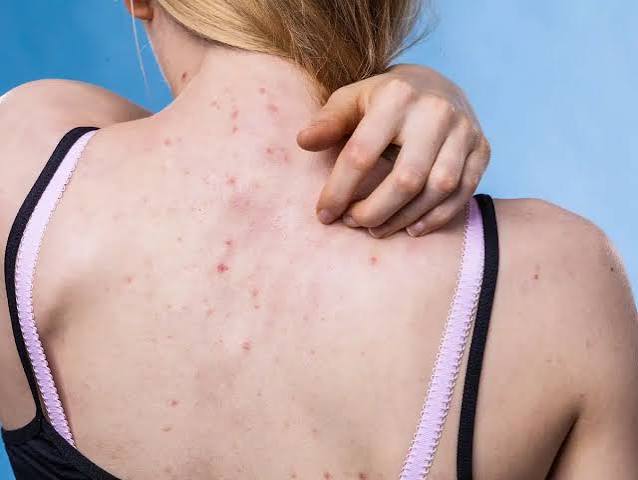
- Breakouts on the chest, shoulders, and upper back
- Acne products that don’t seem to help
Regular acne usually has different-sized pimples, blackheads, and whiteheads. Fungal acne usually does not.
If you’re unsure, it’s always better to have your skin checked by a qualified dermatologist instead of guessing.
Why Do Teenagers Get Fungal Acne?
Teenagers naturally produce more oil because of hormonal changes during puberty. This creates an environment where yeast can grow more easily.
Several other factors can also contribute.
1. Sweating Too Much
Sports, gym workouts, and hot weather can trap sweat on the skin.
2. Wearing Tight Clothing
Sports uniforms or tight synthetic clothes can trap moisture against the skin.
3. Humid Weather
Warm and humid climates encourage yeast growth.
4. Oily Skincare Products
Heavy creams and oily makeup may worsen the condition in some people.
5. Certain Medicines
Sometimes antibiotics can reduce healthy bacteria on the skin, allowing yeast to grow more easily.
Why It Is Important to Treat Fungal Acne Early
Many teenagers continue treating fungal acne like regular acne for months.
Unfortunately, this can lead to:
- Ongoing breakouts
- Skin irritation
- Frustration
- Reduced confidence
- Unnecessary spending on products that don’t work
Getting the correct diagnosis early can help avoid these problems.
Best Remedy for Teenagers for Fungal Acne Problem
Finding the best remedy for teenagers for fungal acne problem usually involves a combination of good skincare, healthy habits, and, when needed, medical treatment.
Let’s look at each option.
1. Keep Your Skin Clean Without Overwashing
Wash your face twice a day using a gentle cleanser.
Avoid washing too often because this can irritate your skin and increase oil production.
Choose products that are gentle and suitable for acne-prone skin.
2. Shower Soon After Sweating
Sweat creates a warm environment where yeast may multiply.
If you play sports or go to the gym:
- Shower as soon as possible afterward
- Change into clean clothes
- Don’t stay in sweaty clothing for long periods
This simple habit can make a noticeable difference.
3. Avoid Heavy Oily Products
Some skincare and hair products may make fungal acne worse.
Try choosing products labeled:
- Oil-free
- Non-comedogenic
- Lightweight
- Gel-based
If hair products regularly touch your forehead, they may also contribute to breakouts.
4. Wear Breathable Clothing
Cotton clothing allows better airflow than many synthetic fabrics.
Especially during summer:
- Wear loose-fitting clothes
- Change sweaty shirts quickly
- Wash workout clothes regularly
5. Don’t Pick or Scratch the Bumps
Itchy bumps can be tempting to scratch.
However, scratching may:
- Irritate the skin
- Increase redness
- Raise the risk of marks or infection
Over-the-Counter Treatments That May Help
Some antifungal products available without a prescription may help certain cases of fungal acne.
These may include:
- Antifungal shampoos used as directed on affected skin
- Antifungal creams recommended by a healthcare professional
However, not every skin condition that looks like fungal acne is actually fungal acne.
Using the wrong treatment may delay improvement.
If symptoms continue for several weeks, seeing a dermatologist is the safest option.
Simple Home Remedies and Healthy Habits
Home care cannot always treat fungal acne completely, but healthy habits may support skin health.
Wash Pillow Covers Regularly
Clean pillowcases reduce the buildup of sweat, oil, and dirt.
Aim to wash them every few days.
Eat a Balanced Diet
A healthy diet supports overall skin health.
Include:
- Fresh fruits
- Vegetables
- Whole grains
- Lean protein
- Plenty of water
Although diet alone does not directly cause fungal acne, balanced nutrition supports healthy skin.
Keep Hair Clean
If you have oily hair, washing it regularly may help reduce excess oil reaching your forehead.
Long hair touching the face throughout the day may also contribute to breakouts.
Avoid Sharing Personal Items
Do not share:
- Towels
- Face cloths
- Makeup brushes
- Helmets without cleaning them
Good hygiene helps reduce unnecessary skin irritation.
Skincare Routine for Teenagers With Fungal Acne
A simple routine often works better than using many products.
Morning
- Gentle cleanser
- Lightweight moisturizer
- Sunscreen
Evening
- Gentle cleanser
- Dermatologist-recommended treatment if needed
- Lightweight moisturizer
Avoid constantly switching products.
Give your skincare routine enough time before deciding whether it works.
When Should You See a Dermatologist?
Sometimes fungal acne needs professional diagnosis because it can resemble:
- Regular acne
- Heat rash
- Folliculitis caused by bacteria
- Allergic skin reactions
Consider seeing a dermatologist if:
- Home care is not helping
- Breakouts keep returning
- The bumps are very itchy
- Acne products make the skin worse
- The condition affects your confidence
Early treatment may help prevent unnecessary discomfort and help you follow the right skincare plan.
Professional Treatment at Pretty Skin Clinic, Gurgaon
If your skin isn’t improving despite trying different remedies, a dermatologist can help identify the real cause.
Dr. Pretty Singla at Pretty Skin Clinic, Gurgaon evaluates each patient’s skin carefully before recommending treatment. Since fungal acne can look similar to regular acne, getting the correct diagnosis is important.
Depending on your condition, treatment may include:
- Skin examination
- Personalized skincare advice
- Prescription antifungal medication if appropriate
- Guidance on preventing future flare-ups
- Follow-up care to monitor improvement
Rather than relying on trial and error, a dermatologist can recommend a treatment plan based on your skin type and symptoms.
If your fungal acne keeps returning or you’re unsure what’s causing your breakouts, you can book a consultation with Dr. Pretty Singla at Pretty Skin Clinic, Gurgaon here → https://prettyskin.in/
Can Fungal Acne Come Back?
Yes.
Fungal acne can return, especially if the conditions that encourage yeast growth continue.
You can lower the chances by:
- Showering after sweating
- Keeping your skincare routine simple
- Wearing breathable clothing
- Avoiding heavy oily products
- Following your dermatologist’s advice
Consistency is more important than trying lots of different products.
Common Mistakes Teenagers Should Avoid
Many people accidentally make fungal acne worse.
Try to avoid:
- Using strong acne creams without knowing the exact cause
- Scrubbing your face harshly
- Picking at bumps
- Sleeping with makeup on
- Using too many skincare products at once
- Ignoring recurring itchy breakouts
Simple, consistent skincare usually works better than aggressive routines.
Frequently Asked Questions
Is fungal acne contagious?
No. Fungal acne is generally not considered contagious. The yeast involved normally lives on the skin, but certain conditions can allow it to grow more than usual.
Can teenagers get fungal acne during puberty?
Yes. Hormonal changes during puberty increase oil production, making teenagers more likely to develop fungal acne under certain conditions.
Does toothpaste help fungal acne?
No. Toothpaste is not recommended for treating fungal acne. It can irritate the skin and may make redness worse.
Can fungal acne disappear on its own?
Mild cases may improve if the conditions causing the overgrowth change. However, many cases require proper skincare or medical treatment to fully improve.
How do I know if I have acne or fungal acne?
It can be difficult to tell because the two conditions look similar. If your bumps are itchy, all look about the same size, and regular acne treatments are not helping, it’s a good idea to see a dermatologist for an accurate diagnosis.
Conclusion
Finding the best remedy for teenagers for fungal acne problem starts with understanding that not every breakout is regular acne. Fungal acne often needs a different approach, and using the wrong products can delay improvement.
Simple habits like cleansing gently, showering after sweating, wearing breathable clothing, and avoiding heavy oily skincare products may help reduce flare-ups. If symptoms continue or keep coming back, getting a professional diagnosis is the best next step.
If home remedies aren’t helping and you’re still struggling with fungal acne, consider booking a consultation with Dr. Pretty Singla at Pretty Skin Clinic, Gurgaon. A qualified dermatologist can help identify the cause of your breakouts and recommend the most suitable treatment plan. Book your consultation here → https://prettyskin.in/