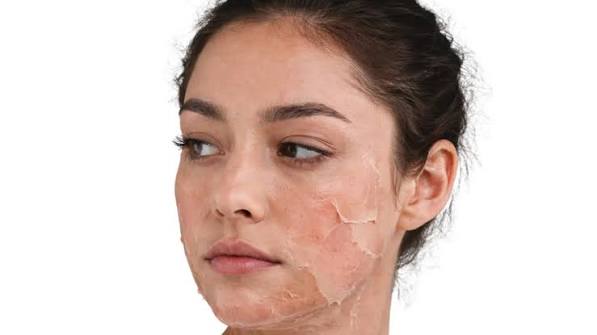
If you have just had a chemical peel, you might be looking in the mirror and feeling a little worried. Maybe your face is bright red, feels incredibly tight, or has started to flake and peel off in patches.
First, take a deep breath. What you are experiencing is actually a very common part of the healing process. However, when your skin reacts more strongly than expected—causing intense burning, extreme dryness, or unexpected breakouts—it becomes a real worry.
Navigating the best skin care routine after chemical peel treatment problem is crucial because your skin is currently raw, highly sensitive, and completely stripped of its natural protective barrier. Using the wrong product right now can cause long-term damage, dark spots, or even scarring.
If your skin feels highly irritated and you want professional guidance to ensure it heals perfectly, you can book a consultation with Dr. Pretty Singla at Pretty Skin Clinic here → https://prettyskin.in/.
In this guide, we will walk you through exactly why post-peel problems happen, how to care for your skin at home safely, and when it is time to seek professional help.
What is a Chemical Peel Treatment Problem?
A chemical peel is a highly effective treatment where a special acid solution is applied to your skin. This solution gently removes the damaged top layers, revealing fresher, smoother skin underneath.
However, because a peel intentionally injures the skin to trigger cell renewal, your skin is left temporary vulnerable. A “chemical peel treatment problem” occurs when the skin reacts negatively during this vulnerable recovery phase.
This can happen for a few reasons. The peel might have been a bit too deep for your skin type, or your skin barrier may have been weak before the treatment. Most commonly, post-peel problems occur because of accidental damage during aftercare—such as picking at loose skin or using harsh skincare products too soon.
Common Symptoms of a Post-Chemical Peel Problem
It is helpful to know the difference between normal healing and an actual skin care problem.
Normal Healing Signs
-
Mild redness (similar to a light sunburn).
-
Skin feeling tight or dry.
-
Gentle flaking or peeling of the skin after 3 to 5 days.
Signs of a Post-Peel Problem
-
Severe, prolonged redness that does not fade after several days.
-
Extreme swelling or hives.
-
Oozing, crusting, or blistering on the treated areas.
-
Intense itching or burning that keeps you awake at night.
-
Dark patches (hyperpigmentation) forming where the skin was peeled.
-
Pus-filled bumps or sudden acne breakouts across the face.
If you notice any of these severe symptoms, your skin is telling you that its barrier is compromised and needs immediate, gentle care to heal.
Why Does a Post-Chemical Peel Problem Happen?
Understanding why your skin is reacting this way can help you prevent further damage. Here are the most common causes of post-peel irritation:
1. Stripping the Skin Barrier Too Fast
A chemical peel works by removing the outer layer of your skin. This layer is your body’s natural shield against bacteria, pollution, and moisture loss. When it is gone, your deeper skin layers are exposed to the elements, making them dry out rapidly and react to almost anything you apply.
2. Picking and Peeling the Flakes
When your skin begins to peel, it can be incredibly tempting to pull off the hanging flakes. Never do this. Pulling off dead skin before it is ready to shed naturally tears the live skin underneath. This leads to raw patches, bleeding, and dark spots that can take months to fade.
3. Using Active Ingredients Too Soon
If you apply your regular anti-aging or acne products—like retinol, salicylic acid, glycolic acid, or vitamin C—right after a peel, you will cause severe chemical burns. Your skin cannot tolerate these active ingredients while it is trying to rebuild itself.
4. Lack of Sun Protection
Your new skin is highly sensitive to ultraviolet (UV) rays. Going out in the sun without a hat or proper sunscreen after a peel can cause immediate sunburn and severe hyperpigmentation, completely ruining the results of your treatment.
The Best Skin Care Routine After Chemical Peel Treatment Problem
When your skin is irritated, your primary goal is comfort, hydration, and protection. You must put your regular multi-step skincare routine on hold and follow a ultra-simple, restorative regimen.
Here is the best skin care routine after chemical peel treatment problem to help calm, soothe, and rebuild your skin barrier:
Step 1: Cleanse with Extreme Gentleness
Wash your face only once or twice a day with cool or lukewarm water. Avoid hot water, as it strips away remaining moisture.
-
Use a soap-free, fragrance-free, non-foaming cream cleanser.
-
Apply the cleanser gently using only your clean fingertips. Do not use washcloths, sponges, or facial brushes.
-
Pat your skin dry very gently with a clean, soft towel. Never rub.
Step 2: Hydrate and Replenish
Your skin is desperate for moisture right now. You need ingredients that mimic your skin’s natural lipids to seal the barrier.
-
Apply a generous layer of a bland, thick moisturizer. Look for ingredients like ceramides, hyaluronic acid, and squalane.
-
If your skin feels extremely raw or cracked, apply a thin layer of a healing ointment (like pure petroleum jelly or a barrier repair balm) to lock in moisture and protect the skin from airborne irritants.
Step 3: Protect Against UV Rays
Since your skin has lost its natural defense, sunscreen is non-negotiable—even if you are staying indoors near windows.
-
Use a physical (mineral) sunscreen containing zinc oxide or titanium dioxide with an SPF of 30 or higher. Mineral sunscreens are much less likely to sting irritated skin than chemical sunscreens.
-
Reapply every two hours if you are outdoors.
-
Wear a wide-brimmed hat whenever you step outside.
Practical Home Remedies to Soothe Your Skin
While your skin is recovering, these simple, practical home tips can provide immediate comfort without causing further irritation:
-
Apply a Cool Compress: If your face feels hot, burning, or itchy, soak a clean, soft washcloth in ice-cold water. Wring it out completely and gently lay it over your face for 5 to 10 minutes. This immediately reduces inflammation and calms blood vessels.
-
Sleep on Your Back with Clean Sheets: Try to sleep on your back with your head slightly elevated on an extra pillow. This helps reduce any facial swelling. Additionally, put a fresh, clean silk or soft cotton pillowcase on your pillow to prevent friction and avoid transferring bacteria to your open skin.
-
Stay Hydrated: Drink plenty of water throughout the day. Healing your skin starts from the inside out, and keeping your body hydrated helps your skin cells recover much faster.
What to Avoid at All Costs
To prevent your post-peel problem from getting worse, make sure to avoid these common mistakes:
-
Do not scrub or exfoliate: Keep scrubs, loofahs, and washcloths far away from your face.
-
Do not wear heavy makeup: Let your skin breathe. Applying heavy foundation or using dirty makeup brushes can introduce bacteria into raw skin, leading to infections.
-
Avoid sweating and heat: Skip heavy workouts, steam rooms, saunas, and hot showers for at least 3 to 5 days after your peel. Sweating can trap heat in the skin and cause intense itching and blistering.
-
Avoid swimming pools: Chlorine can severely irritate and dry out healing skin.
When to See a Professional Dermatologist
Most mild post-peel irritation clears up within a week of gentle care. However, if your skin is not improving, or if you notice signs of infection (like pus, spreading warmth, or extreme pain), you should not try to treat it at home.
In these situations, seeing a qualified dermatologist is the safest and fastest way to rescue your skin. A dermatologist can assess the depth of the damage, prescribe soothing medical-grade creams, and ensure your skin heals without leaving permanent scars or dark marks.
Professional Care at Pretty Skin Clinic, Gurgaon
If you are struggling with a chemical peel reaction and want expert help to restore your skin’s health, Dr. Pretty Singla is here to guide you.
Meet Dr. Pretty Singla
Dr. Pretty Singla is a highly respected, qualified dermatologist known for her compassionate and detailed approach to skin health. She understands how distressing a skin reaction can be and specializes in skin barrier repair and advanced post-treatment care.
The Pretty Skin Clinic Approach
At Pretty Skin Clinic, Gurgaon, patient comfort and safety always come first. Rather than offering one-size-fits-all solutions, the clinic focuses on:
-
Accurate Diagnosis: Analyzing your skin under specialized care to determine the exact cause of your irritation.
-
Customized Recovery Plans: Prescribing gentle, medical-grade barrier repair creams and soothing treatments tailored to your specific skin type.
-
Gentle Healing: Prioritizing non-invasive, calming therapies to reduce redness, stop itching, and prevent scarring.
Visiting a qualified dermatologist like Dr. Pretty Singla ensures you receive safe, medical-grade guidance to bring your skin back to its healthiest, most glowing state.
If home remedies aren’t helping and this problem keeps coming back, it’s a good idea to get it checked by a dermatologist. You can book a consultation with Dr. Pretty Singla at Pretty Skin Clinic, Gurgaon → https://prettyskin.in/
Frequently Asked Questions (FAQs)
1. How long does it take for skin to heal after a chemical peel problem?
Depending on the depth of the peel and the severity of the irritation, mild post-peel problems usually heal within 7 to 10 days with a basic, gentle skincare routine. Deeper peel complications may take a few weeks to fully resolve and require professional medical guidance.
2. Can I use aloe vera gel on my face after a chemical peel?
While pure, organic aloe vera gel has natural cooling and anti-inflammatory properties, you should be very careful. Many store-bought aloe vera gels contain added alcohol, artificial fragrances, or colorants that can cause severe burning on raw skin. It is safest to stick to a dermatologist-approved, fragrance-free barrier repair cream.
3. What should I do if my skin starts peeling unevenly or looks patchy?
This is completely normal. Do not try to even it out by scrubbing, rubbing, or peeling the skin off yourself. Continue to moisturize heavily. The dry patches will eventually flake off naturally when the new skin underneath is fully formed and ready.
4. Can a bad reaction to a chemical peel cause permanent scars?
If left untreated, or if you pick at the peeling skin, it can lead to permanent scarring or long-term dark spots (post-inflammatory hyperpigmentation). However, if you protect your skin from the sun and consult a dermatologist early, these complications can be successfully prevented and treated.
Conclusion
Experiencing a complication after a chemical peel can be stressful, but with the right approach, your skin can make a full, beautiful recovery.
The secret to resolving the best skin care routine after chemical peel treatment problem is simplicity. Strip your skincare routine down to the bare essentials: a very gentle cleanser, a rich ceramide-based moisturizer, and a mineral sunscreen. Avoid picking your skin, skip harsh active ingredients, and protect yourself from the sun at all costs.
Remember, your skin is highly resilient, but it needs time and patience to rebuild its protective shield.
If your skin remains painful, swollen, or heavily irritated despite your best efforts at home, do not wait for the damage to worsen. Seeking professional medical advice is the safest path to recovery.
You can book a helpful, personalized consultation with Dr. Pretty Singla at Pretty Skin Clinic, Gurgaon to get your skin back on track → https://prettyskin.in/
Disclaimer: This article is for informational purposes only. Please consult a qualified dermatologist for a proper diagnosis and personalized treatment plan.