Did you recently get a microneedling treatment hoping for glowing, smooth skin, but ended up with a stressful skin problem instead?
Maybe your face is extremely red, burning, breaking out in pimples, or feeling as dry as sandpaper. If your skin looks worse now than it did before your appointment, it is completely normal to feel worried and frustrated. You expected a skin upgrade, not a setback.
The good news is that your skin is incredibly resilient. Microneedling works by creating tiny, controlled injuries to trigger healing. However, when the skin gets overly irritated, infected, or damaged, it means your skin barrier is compromised and needs immediate help.
To get your skin back on track, you need a gentle plan that focuses on repair rather than active treatment. This guide will walk you through the best skin recovery routine after microneedling treatment problem scenarios so you can calm the irritation and heal safely.
If your skin is severely reacting and home care isn’t giving you relief, it might be time to seek professional guidance. You can book a consultation with Dr. Pretty Singla at Pretty Skin Clinic here → https://prettyskin.in/ to get expert help tailored to your skin’s current state.
Understanding the Problem: Why Is Your Skin Reacting This Way?
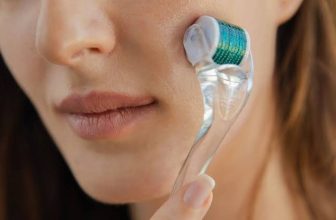
Before fixing the issue, it helps to understand what went wrong. Microneedling uses tiny needles to poke microscopic holes in your skin. In a perfect scenario, this stimulates collagen. But if something goes wrong during or after the procedure, you face a microneedling treatment problem.
There are a few main reasons why your skin might be reacting negatively right now:
-
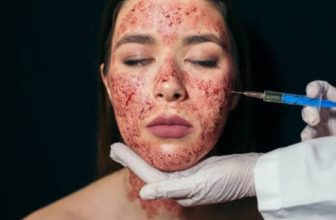
The treatment was too aggressive: If the needles went too deep or the device was pressed too hard, it can cause severe swelling, bruising, or tracking marks (grid-like patterns).
-
Harsh products were used too soon: Using vitamin C, retinoids, glycolic acid, or heavy scrubs on open skin can cause chemical burns and intense irritation.
-
Bacterial contamination: Since microneedling opens up your pores, touching your face with dirty hands, using dirty makeup brushes, or sweating can introduce bacteria, leading to breakouts or infections.
-
Poor aftercare: Skipping moisturizer or failing to protect your skin from the sun can dry out the skin barrier, leading to peeling, flaking, and prolonged redness.
Symptoms of a Microneedling Treatment Problem
How do you know if your skin is just experiencing normal healing or an actual problem? Normal healing involves mild redness and a tight feeling for 24 to 48 hours.
You are likely facing a post-treatment problem if you experience:
Prolonged, Intense Redness
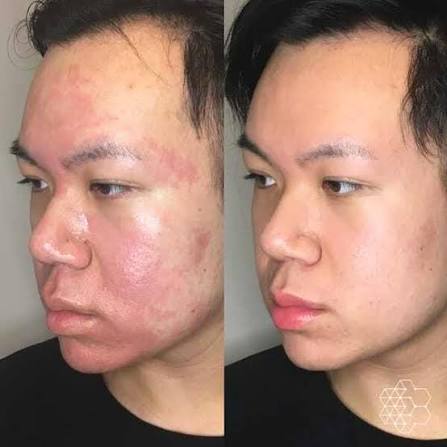
If your face looks bright red or purple for more than three or four days, your skin is struggling to heal. This is a sign of deep inflammation.
Severe Burning and Itching
A mild prickling sensation is normal. Constant burning, stinging when you apply plain water, or intense itching usually points to a damaged skin barrier or an allergic reaction.
Tiny White Bumps or Pimples
Breaking out in clusters of tiny whiteheads often means your skin was exposed to bacteria while the channels were open, or the post-care creams used were far too heavy for your skin type.
Extreme Peeling and Cracking
While light flaking is expected, severe peeling that leaves raw, bleeding, or oozing patches is a sign that the treatment was too deep or your skin is severely dehydrated.
The Best Skin Recovery Routine After Microneedling Treatment Problem
When your skin is angry, the golden rule is: less is more. Stop trying to fix it with anti-aging or acne products. Instead, follow this simple, calming daily routine to rebuild your skin barrier.
[Morning Routine]
Gentle Cleanser -> Soothing Serum (Hyaluronic Acid) -> Barrier Cream -> Mineral Sunscreen

[Evening Routine]
Gentle Cleanser -> Soothing Serum -> Thick Barrier Repair Cream -> Protective Ointment (Optional)
Step 1: Wash with an Ultra-Gentle Cleanser
Wash your face only once or twice a day with lukewarm water. Use a soap-free, fragrance-free, non-foaming cleanser. Look for ingredients like ceramides or glycerin.
-
Do not use washcloths, face brushes, or sponges.
-
Use your clean fingertips and gently massage your face.
-
Pat dry with a clean, soft paper towel instead of a shared bath towel.
Step 2: Apply a Hydrating, Soothing Serum
Your skin needs moisture, but it cannot handle heavy, complicated formulas right now. Apply a pure hyaluronic acid serum or a centella asiatica (cica) serum to damp skin.
-
Hyaluronic acid pulls moisture into the skin without clogging pores.
-
Centella asiatica and panthenol (Vitamin B5) actively soothe redness and calm the burning sensation.
Step 3: Lock It In with a Barrier Repair Cream
This is the most crucial step of the best skin recovery routine after microneedling treatment problem. You need a moisturizer that acts like a temporary blanket for your skin while your real barrier heals.
-
Choose a thick cream containing ceramides, fatty acids, and cholesterol.
-
Avoid any moisturizers that contain artificial fragrances, essential oils, or anti-aging acids.
Step 4: Protect with Mineral Sunscreen (Daytime Only)
Your skin is highly vulnerable to UV damage right now, which can lead to permanent dark spots (hyperpigmentation).
-
Use a physical or mineral sunscreen containing zinc oxide or titanium dioxide.
-
Mineral sunscreens sit on top of the skin and reflect light, whereas chemical sunscreens can cause a burning sensation on compromised skin.
Practical Home Remedies and Tips to Speed Up Healing
Aside from your basic skincare routine, there are several simple lifestyle habits and home remedies you can use to comfort your skin. These do not require expensive products and can be done easily at home.
-
Use a Cold Compress: If your face feels hot and burning, wrap a few ice cubes in a clean, soft cotton cloth and gently press it against your skin. Never apply ice directly to the skin. This reduces swelling and numbs the discomfort.
-
Sleep on a Clean Silk or Satin Pillowcase: Rough cotton pillowcases can create friction against your raw skin while you toss and turn. Switch to a smooth silk or satin pillowcase, and make sure to change it every two days to prevent bacterial buildup.
-
Elevate Your Head at Night: For the first few nights after a microneedling problem, sleep with an extra pillow under your head. Keeping your head elevated helps drain excess fluid and reduces facial swelling.
-
Stay Hydrated from Within: Drink plenty of water throughout the day. When your body is hydrated, your skin heals much faster from the inside out.
Things You Must Avoid While Your Skin Heals
When trying to solve a microneedling problem, what you don’t do is just as important as what you do. Make sure to strictly avoid these common mistakes:
-
Do Not Pick at Flaking Skin: It can be incredibly tempting to peel off flaking skin, but pulling it off prematurely can cause permanent scarring and hyperpigmentation. Let the dead skin fall off naturally.
-
Stop All Active Ingredients: Put away your Retinol, Vitamin C, Salicylic Acid, Glycolic Acid, and benzoyl peroxide. Do not use them until your skin completely returns to normal, which may take 2 to 4 weeks.
-
Skip the Makeup: Avoid liquid foundations, concealers, and powders for at least a week. Makeup brushes and sponges harbor bacteria, and the chemicals in makeup can irritate open skin wounds.
-
Avoid Sweating and Heat: Stay away from hot showers, saunas, steam rooms, and heavy workouts for at least 5 to 7 days. Sweat carries bacteria and heat increases blood flow, which will make your redness and inflammation much worse.
When Home Care Isn’t Enough: Professional Dermatology Options
Sometimes, a microneedling treatment problem is too severe to handle with basic home care. If your skin is oozing, forming yellow crusts, blistering, or remaining intensely red after a week, you need professional intervention. A qualified dermatologist can evaluate the depth of the damage and prescribe medical-grade solutions.
Dermatologists have access to targeted treatments that can save your skin barrier quickly, such as:
-
Prescription Topical Treatments: Mild, short-term steroid creams or non-steroidal anti-inflammatory ointments to instantly stop severe swelling and burning.
-
Antibiotic Creams or Oral Medication: If bacteria entered the skin during the procedure, a dermatologist can prescribe antibiotics to clear up the infection before it causes scarring.
-
Led Light Therapy: Professional low-level red light therapy can be used in-clinic to speed up cellular repair and calm deep inflammation safely.
Expert Skin Care at Pretty Skin Clinic, Gurgaon
If your skin is suffering and you feel unsure about what to do next, seeking help from an experienced professional can prevent long-term skin damage. Dr. Pretty Singla is a highly trusted dermatologist who specializes in treating skin barrier damage and post-procedure complications.
At Pretty Skin Clinic in Gurgaon, the approach to skin recovery is rooted in medical safety and gentle care. Dr. Pretty Singla understands how stressful a post-treatment reaction can be. Instead of offering one-size-fits-all advice, she carefully examines your skin to determine exactly why it is reacting negatively.
Whether your skin needs prescription-strength soothing agents, specialized barrier repair guides, or gentle clinical treatments to reverse inflammation, the team at Pretty Skin Clinic provides a calm, supportive environment to bring your skin back to health. Seeing a qualified dermatologist ensures you do not accidentally make the problem worse with incorrect home remedies.
If home remedies aren’t helping and your skin remains red, irritated, or painful, it’s a good idea to get it checked by a specialist. You can book a consultation with Dr. Pretty Singla at Pretty Skin Clinic, Gurgaon → https://prettyskin.in/
Frequently Asked Questions (FAQs)
How long does it take for skin to recover from a microneedling problem?
Depending on the severity of the irritation, it typically takes anywhere from 7 to 14 days for the skin barrier to repair itself. If the treatment was exceptionally deep or became infected, full recovery may take up to 4 weeks under professional care.
Can I use Aloe Vera gel on my skin after a microneedling problem?
You can use pure, organic aloe vera gel, but be very cautious with store-bought versions. Many commercial aloe vera gels contain added alcohol, green colorants, and artificial fragrances that can cause an intense burning sensation on broken skin.
Why is my skin breaking out so badly after microneedling?
Post-microneedling breakouts usually happen if the microneedling device wasn’t properly sterilized, if your face wasn’t thoroughly cleaned before treatment, or if you applied heavy, pore-clogging makeup or creams too soon after the procedure while your pores were still open.
Is it normal for my face to feel rough like sandpaper after microneedling?
Yes, a sandpaper texture is a common part of the healing process as millions of tiny, old skin cells rise to the surface to flake off. However, if this roughness is accompanied by intense pain, itching, or pus-filled bumps, it indicates a recovery problem.
When can I return to my regular skincare routine?
You should only return to your regular routine, including your anti-aging acids and serums, once your skin feels completely smooth, hydrated, and free of any redness or sensitivity. This usually takes a minimum of 2 weeks.
Conclusion: Healing Takes Patience
Experiencing a microneedling treatment problem can be incredibly stressful, but your skin is designed to heal itself if given the right environment. The best skin recovery routine after microneedling treatment problem scenarios involves stepping back from complicated products, keeping your skin clean, heavily moisturizing with ceramides, and staying protected from the sun.
Be patient with your face and avoid the temptation to scrub or pick at it. Most mild to moderate skin reactions will clear up beautifully with a week of dedicated, gentle care.
However, if your skin condition is worsening, causing you pain, or showing signs of infection, please do not wait it out. Getting professional guidance from an expert dermatologist can give you peace of mind and protect your skin from long-term damage.
If your skin needs professional attention to heal correctly, you can book a consultation with Dr. Pretty Singla at Pretty Skin Clinic here → https://prettyskin.in/
Disclaimer: This article is for informational purposes only. Please consult a qualified dermatologist for a proper diagnosis and personalized treatment plan.