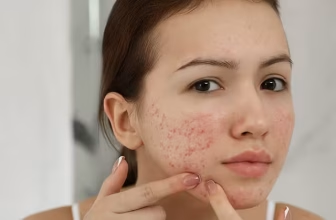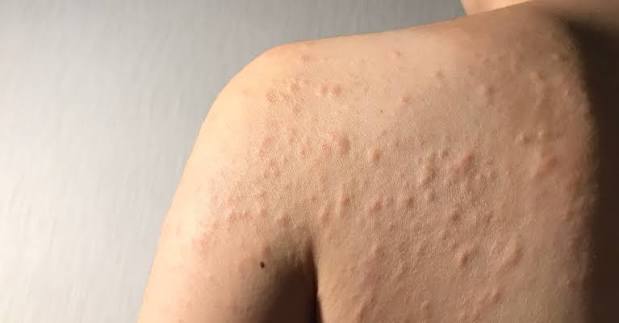
Skin allergies can be frustrating. One day your skin looks perfectly normal, and the next day you may notice itching, redness, swelling, or a rash that makes you feel uncomfortable. Sometimes the symptoms disappear on their own. Other times, they keep coming back without any clear reason.
If you are searching for the Best Dermatologist Near Golf Course Road Gurgaon for Skin Allergy Problem, you may already be tired of trying different creams or home remedies without getting lasting relief. Skin allergies can affect your daily life, sleep, confidence, and even your work if the itching or irritation becomes severe.
The good news is that many skin allergies can be managed successfully once the exact cause is identified. Understanding what triggers your allergy is often the first step toward better skin health. In this guide, we’ll explain what skin allergies are, why they happen, common symptoms, simple home care tips, treatment options, and when it’s time to consult a qualified dermatologist. You’ll also learn how Dr. Pretty Singla at Pretty Skin Clinic, Gurgaon can help diagnose and manage recurring skin allergy problems with a personalized treatment approach.
What Is a Skin Allergy?
A skin allergy happens when your immune system reacts to something that normally should not cause harm. This reaction leads to inflammation, causing symptoms such as itching, redness, bumps, or swelling.
Some people experience skin allergies only once, while others deal with recurring episodes because they continue to come into contact with the trigger.
Skin allergies are common in both children and adults, and they can range from mild irritation to more severe reactions that require medical attention.
Common Symptoms of Skin Allergy
Skin allergy symptoms can vary from person to person.
Some of the most common signs include:
- Itching that may become intense
- Red or inflamed patches
- Small bumps or blisters
- Dry, flaky skin
- Burning or stinging sensation
- Swelling of the affected area
- Skin peeling after the rash improves
Sometimes the rash stays in one place, while in other cases it spreads to different parts of the body.
If your symptoms become severe, spread rapidly, or are accompanied by breathing difficulty or swelling around the face, seek emergency medical care immediately.
Why Do Skin Allergies Happen?
Many different factors can trigger a skin allergy.
Contact with Irritating Products
Some soaps, perfumes, detergents, cosmetics, hair dyes, and skincare products contain ingredients that may irritate sensitive skin.
Food Allergies
Certain foods can trigger allergic reactions in some individuals, although not every skin rash is caused by food.
Environmental Allergens
Common environmental triggers include:
- Dust mites
- Pollen
- Pet dander
- Mold
Insect Bites
Mosquitoes, ants, bees, and other insects may cause allergic skin reactions.
Certain Medicines
Some medications may trigger allergic rashes as a side effect.
Metal Allergies
Nickel found in jewelry, watches, belt buckles, and clothing accessories is a frequent cause of contact dermatitis.
Different Types of Skin Allergies
Contact Dermatitis
This develops when your skin touches an irritating substance or allergen.
Common triggers include:
- Cosmetics
- Soap
- Cleaning products
- Jewelry
- Hair color
Eczema (Atopic Dermatitis)
Eczema causes dry, itchy, inflamed skin and often comes and goes over time.
Hives (Urticaria)
Hives appear as raised, itchy welts that may change size and location within hours.
Allergic Drug Rash
Some medicines can cause widespread skin rashes that should always be evaluated by a doctor.
Can Skin Allergies Go Away on Their Own?
Sometimes they do.
A mild allergic reaction caused by temporary exposure may improve after avoiding the trigger.
However, recurring skin allergies usually need proper evaluation because simply treating the symptoms without identifying the cause often leads to repeated flare-ups.
If your rash keeps returning, lasts longer than two weeks, or becomes more severe, it’s time to consult a dermatologist.
Home Care Tips That May Help
Many mild skin allergies improve with proper skin care and avoiding triggers.
Here are a few practical tips you can try.
1. Identify Possible Triggers
Keep a diary of:
- Foods you eat
- New skincare products
- Laundry detergents
- Outdoor activities
- Pet exposure
This may help identify patterns.
2. Use Gentle Skincare Products
Choose products that are:
- Fragrance-free
- Alcohol-free
- Designed for sensitive skin
Avoid harsh scrubs or exfoliants until your skin heals.
3. Moisturize Regularly
Dry skin becomes irritated more easily.
Applying a gentle moisturizer after bathing helps strengthen your skin barrier.
4. Avoid Scratching
Scratching may:
- Damage your skin
- Increase infection risk
- Make itching worse
Keeping nails short can help reduce skin damage.
5. Take Lukewarm Showers
Very hot water may worsen itching and dryness.
Short, lukewarm showers are usually gentler on irritated skin.
Lifestyle Changes That Can Reduce Skin Allergy Flare-Ups
Simple daily habits often make a noticeable difference.
These include:
- Wearing loose cotton clothing
- Drinking enough water
- Washing new clothes before wearing them
- Managing stress through exercise or meditation
- Keeping your home clean to reduce dust exposure
- Avoiding known allergens whenever possible
Although these changes cannot cure every skin allergy, they may reduce how often symptoms appear.
Over-the-Counter Treatments
Some mild skin allergies respond to over-the-counter products.
These may include:
- Moisturizing creams
- Calamine lotion
- Antihistamines for itching
- Barrier repair creams
However, avoid using steroid creams for long periods without medical advice. Incorrect or excessive use may lead to unwanted side effects.
If symptoms continue despite these treatments, professional evaluation is important.
When Should You See a Dermatologist?
Many people delay seeing a skin specialist because they hope the allergy will disappear on its own.
Consider visiting a dermatologist if:
- The rash lasts more than two weeks.
- Your skin allergy keeps coming back.
- Home remedies are not helping.
- The itching affects your sleep.
- The rash is spreading.
- There is pain, pus, or signs of infection.
- You are unsure what is causing your allergy.
Finding the exact trigger is often more effective than repeatedly treating symptoms.
Best Dermatologist Near Golf Course Road Gurgaon for Skin Allergy Problem
If you’re looking for the Best Dermatologist Near Golf Course Road Gurgaon for Skin Allergy Problem, choosing an experienced skin specialist can help you receive the right diagnosis instead of relying on guesswork.
A dermatologist may recommend:
- A detailed skin examination
- Medical history review
- Allergy evaluation when appropriate
- Treatment based on your skin type
- Advice on avoiding future flare-ups
- Follow-up care if symptoms recur
Since every person’s skin is different, treatment should always be personalized rather than using the same cream for everyone.
Dr. Pretty Singla at Pretty Skin Clinic, Gurgaon
For people experiencing recurring skin allergies or unexplained skin rashes, Dr. Pretty Singla at Pretty Skin Clinic, Gurgaon offers professional dermatology care focused on accurate diagnosis and individualized treatment.
Rather than simply treating the visible rash, the clinic aims to understand possible triggers, evaluate your symptoms carefully, and recommend a treatment plan based on your specific skin condition. Depending on your needs, this may include medications, skincare guidance, lifestyle advice, and follow-up care to monitor your progress.
Seeing a qualified dermatologist is especially important if your skin allergy keeps returning, becomes severe, or does not improve with home care.
If home remedies aren’t helping and your skin allergy keeps coming back, it’s a good idea to get it checked by a dermatologist. You can book a consultation with Dr. Pretty Singla at Pretty Skin Clinic, Gurgaon → https://prettyskin.in/
How Dermatologists Diagnose Skin Allergies
Many people assume every itchy rash is an allergy.
In reality, skin conditions like eczema, fungal infections, psoriasis, and certain autoimmune disorders may look similar.
A dermatologist may diagnose your condition by:
- Examining your skin closely
- Asking about your medical history
- Reviewing recent skincare products
- Discussing medications
- Looking for possible environmental triggers
- Recommending allergy or patch testing when necessary
Getting the correct diagnosis is the first step toward choosing the right treatment.
How Skin Allergies Are Usually Treated
Treatment depends on the cause and severity of the allergy.
A dermatologist may recommend:
- Prescription creams
- Oral medications if needed
- Anti-inflammatory treatments
- Moisturizing routines
- Avoiding specific allergens
- Lifestyle modifications
Some patients improve quickly, while others with chronic allergies may need ongoing care to keep symptoms under control.
Tips to Prevent Future Skin Allergies
Although not every allergy can be prevented, these habits may reduce your risk.
- Always patch-test new skincare products.
- Avoid sharing cosmetics.
- Wear gloves when using cleaning chemicals.
- Wash your face after spending time outdoors.
- Keep your skin moisturized.
- Use sunscreen suitable for sensitive skin.
- Read ingredient labels before buying cosmetics.
- Replace expired skincare products.
Small changes in your daily routine can often help protect sensitive skin.
Frequently Asked Questions
Can a dermatologist permanently cure a skin allergy?
Not every skin allergy can be permanently cured because some allergies are lifelong. However, a dermatologist can help identify triggers, manage symptoms, and reduce flare-ups with the right treatment plan.
How do I know if my rash is an allergy or an infection?
Some skin infections look similar to allergies. If the rash is painful, has pus, spreads quickly, or is accompanied by fever, it should be evaluated by a qualified dermatologist.
Is it safe to use steroid creams without a prescription?
No. Steroid creams should only be used as directed by a healthcare professional. Incorrect use may lead to skin thinning and other side effects.
When should I visit the Best Dermatologist Near Golf Course Road Gurgaon for Skin Allergy Problem?
You should seek professional care if your rash keeps returning, lasts more than two weeks, becomes severe, or does not improve with home care and over-the-counter treatments.
Can stress make skin allergies worse?
Yes. Stress may worsen conditions such as eczema and hives in some people. Managing stress through healthy habits can sometimes reduce flare-ups.
Conclusion
Living with itchy, irritated skin can be stressful, especially when the symptoms keep coming back. Fortunately, many skin allergies can be managed successfully once the underlying cause is identified. Gentle skincare, avoiding known triggers, moisturizing regularly, and seeking medical advice when needed are all important steps toward healthier skin.
If you’re searching for the Best Dermatologist Near Golf Course Road Gurgaon for Skin Allergy Problem, remember that proper diagnosis is just as important as treatment. Instead of repeatedly trying different creams, consulting a qualified dermatologist can help you understand what’s causing your symptoms and guide you toward the most suitable treatment plan.
If your skin allergy isn’t improving or keeps returning, consider booking a consultation with Dr. Pretty Singla at Pretty Skin Clinic, Gurgaon for expert guidance and personalized care → https://prettyskin.in/