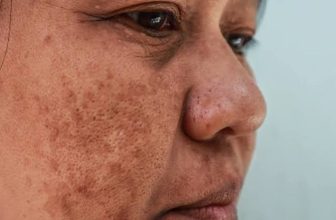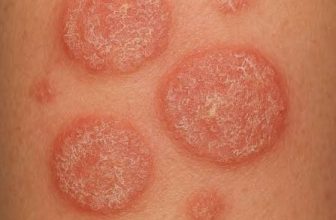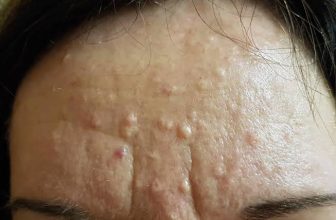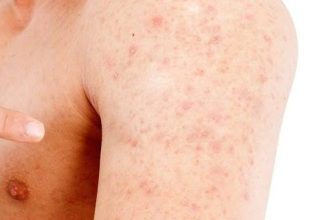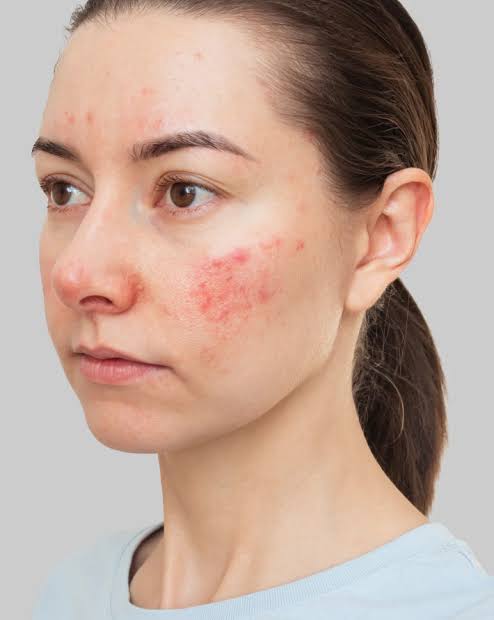
If you have noticed a rough, scaly patch of skin on your face, scalp, arms, or hands that just will not go away, it can be quite worrying. You might feel it when you wash your face or run your fingers over your skin. It often feels like a small patch of sandpaper or a dry crusty spot that keeps coming back, even after you apply plenty of heavy moisturizer.
This common skin issue is known as actinic keratosis. These spots develop due to years of sun exposure, and they are very common as we grow older. While they might just seem like annoying dry spots at first, they actually require proper medical attention.
Many adults ignore these rough spots, thinking they are just a natural part of aging or simple dry skin. However, leaving them alone is not the best approach because some of these spots can slowly turn into a type of skin cancer over time.
The good news is that this problem is highly treatable when caught early. If you want a professional evaluation and a personalized treatment plan from a trusted skin expert, you can book a consultation with Dr. Pretty Singla at Pretty Skin Clinic here → https://prettyskin.in/ to get the right guidance.
Let us take a closer look at what these spots are, why they appear, and the most reliable ways to manage and treat them safely.
What is Actinic Keratosis?
To manage this condition well, it helps to understand what is happening underneath your skin. Actinic keratosis (often called AK) is a rough, scaly growth caused by damage from ultraviolet (UV) rays.
These patches are considered precancerous skin lesions. This does not mean you have skin cancer right now. It simply means that if the damaged skin cells are left untreated for many years, they have a chance of changing into a type of skin cancer called squamous cell carcinoma.
Because it takes a long time for sun damage to show up, these spots are most commonly found in adults and older individuals who have spent a lot of time outdoors over their lifetime.
What Do These Sun Spots Look and Feel Like?
It can be tricky to spot actinic keratosis just by looking, because these lesions often start very small. In fact, you will often feel them before you can clearly see them.
Here are the most common signs and symptoms to watch out for:
-
A rough, dry, or scaly patch of skin that feels like sandpaper.
-
A flat or slightly raised bump on the top layer of your skin.
-
A spot that feels itchy, tender, burning, or painful when touched.
-
Colors that range from pink, red, and brown, to flesh-colored or gray patches.
-
A hard, wart-like surface or a small horn-like growth on the skin.
These lesions show up on the areas of your body that get the most sun. The most common places include the face, lips, ears, scalp (especially on bald areas), neck, forearms, and the backs of your hands.
Why Do Adults Get Actinic Keratosis?
The main culprit behind this skin condition is cumulative sun damage. Here is a breakdown of why these rough patches develop:
1. Chronic Sun Exposure
Every time you walk outside without sun protection, go to the beach, or work in your garden, your skin absorbs UV radiation from the sun. Your skin cells try to repair this damage, but over decades, the cellular damage builds up. Eventually, the damaged cells begin to grow abnormally, forming scaly patches.
2. Using Tanning Beds
Tanning beds emit high amounts of artificial UV radiation. Using them even a few times significantly increases your risk of developing sun spots and precancerous lesions much earlier in adult life.
3. Having Fair Skin
While anyone can develop this condition, adults with fair skin, light-colored eyes, and blonde or red hair have less natural pigment (melanin) to protect their skin from sun damage. If you burn easily instead of tanning, your risk is much higher.
4. A Weakened Immune System
If your immune system is busy or weakened due to certain medical conditions or medications, your body cannot repair cellular sun damage as effectively. This makes it easier for precancerous lesions to show up and grow.
Why Over-the-Counter Creams and Home Care Cannot Cure It
When people notice a rough patch on their face or hands, they often try to scrub it off with a physical facial scrub or apply intense moisturizers. When that does not work, they might try over-the-counter anti-aging creams.
Unfortunately, standard skincare products cannot fix actinic keratosis. Moisturizers might make the scales look a bit softer for a few hours, but they cannot repair the damaged cellular DNA deep down.
Because these spots are precancerous, trying to scratch, pick, or peel them off at home is dangerous. Picking at them will only cause bleeding, irritation, and potential infection without removing the deep, abnormal cells. To remove them safely and completely, you need a targeted medical approach.
Safe Home Care and Essential Lifestyle Changes
While you cannot cure existing lesions completely on your own, making specific lifestyle changes is incredibly important. These habits prevent your existing spots from getting worse and stop new ones from forming.
Apply Sunscreen Every Single Day
This is the most important step you can take. Use a broad-spectrum sunscreen with an SPF of 30 or higher every morning, even if it is cloudy or you plan to stay indoors near windows. If you are spending time outdoors, make sure to reapply it every two hours.
Wear Protective Clothing
Sunscreen cannot do all the work alone. When you go outside, wear a wide-brimmed hat to protect your face, scalp, and ears. Wear long-sleeved shirts made of tightly woven fabrics and sunglasses to protect the delicate skin around your eyes.
Avoid Peak Sun Hours
The sun’s UV rays are at their strongest and most damaging between 10:00 AM and 4:00 PM. Whenever possible, step into the shade or plan your outdoor walks, gardening, or errands during the early morning or late evening hours.
Check Your Skin Regularly
Perform a self-examination of your skin once a month. Pay close attention to your face, ears, hands, and arms. Look for any new spots, patches that bleed easily, or existing spots that change in size, shape, or color.
Practical Dietary Tips to Support Sun-Damaged Skin
Eating a diet rich in specific nutrients can help your body fight off the effects of oxidative stress caused by the sun:
-
Load Up on Antioxidants: Eat plenty of colorful fruits and vegetables like tomatoes, carrots, spinach, and blueberries. Tomatoes contain lycopene, which helps protect skin cells from environmental stress.
-
Incorporate Healthy Fats: Foods like walnuts, flaxseeds, and salmon contain omega-3 fatty acids, which keep your skin barrier well-nourished and help reduce systemic inflammation.
-
Drink Green Tea: Green tea is packed with polyphenols, which can support your skin’s natural healing and defense mechanisms.
When to See a Qualified Dermatologist
You should schedule a visit with a doctor the moment you notice a rough, scaly patch that does not heal within a few weeks.
Because actinic keratosis looks very similar to other skin conditions—like dry patches, eczema, or even early types of skin cancer—it takes a trained professional to look at the spot closely and give you an accurate diagnosis.
A skin specialist can tell you exactly what the spot is and create a safe treatment plan. Treating these spots early keeps your skin smooth and prevents them from ever turning into a more serious health concern.
Finding the Best Dermatologist Solution for Adults for Actinic Keratosis Problem
A dermatologist has access to medical treatments that can safely remove the damaged skin layers. Depending on how many spots you have and where they are located, your doctor may recommend one of these highly effective solutions:
Cryotherapy (Freezing the Spot)
This is one of the most common and effective treatments for individual spots. The dermatologist applies liquid nitrogen directly to the rough patch for a few seconds. This freezes the abnormal cells. Over the next few days, the spot forms a small scab and naturally peels away, allowing fresh, healthy skin to grow back in its place.
Targeted Topical Prescription Creams
If you have a large area with multiple sun spots—such as your whole forehead or the backs of both hands—your doctor might prescribe a medical cream. These prescription treatments include:
-
Fluorouracil Creams: A targeted cream that seeks out and destroys abnormal skin cells without harming healthy skin.
-
Imiquimod Creams: A topical treatment that stimulates your skin’s own immune system to target and clear away the sun-damaged cells.
-
Diclofenac Sodium Gel: A milder prescription gel that reduces the scale and size of the lesions over a few months.
Photodynamic Therapy (PDT)
This is an advanced in-clinic treatment that works beautifully for adults with widespread sun damage. The dermatologist applies a special light-sensitizing liquid to your skin. After letting it absorb for a few hours, they expose the area to a specific blue or red medical light. This light activates the solution, safely destroying the precancerous cells while leaving your healthy tissue unharmed.
Laser Skin Resurfacing
For adults with extensive sun damage on the face or scalp, a dermatologist can use a specialized fractional laser. The laser gently removes the damaged top layer of skin, peeling away the precancerous cells and encouraging the growth of brand-new, healthy skin layers.
Expert Care in Gurgaon: Dr. Pretty Singla and Pretty Skin Clinic
If you live in or around Gurgaon and are looking for expert, compassionate care for your sun-damaged skin, Dr. Pretty Singla is a highly trusted dermatologist.
At Pretty Skin Clinic, patient care and long-term safety always come first. Dr. Pretty Singla does not believe in a one-size-fits-all approach. She carefully evaluates every single spot on your skin, explains your condition in simple terms, and recommends the safest, least invasive treatment method for your lifestyle and skin type.
The entire team at Pretty Skin Clinic focuses on providing a professional, gentle, and comforting environment. They will not only help treat your current rough spots but will also educate you on exactly how to protect your skin to avoid future damage.
If home remedies aren’t helping and this problem keeps coming back, it’s a good idea to get it checked by a dermatologist. You can book a consultation with Dr. Pretty Singla at Pretty Skin Clinic, Gurgaon, here → https://prettyskin.in/
Frequently Asked Questions (FAQs)
1. Can actinic keratosis go away completely on its own?
Sometimes, a rough sun spot might drop its scale or seem to fade away if you stay out of the sun and apply moisturizer. However, the damaged cells usually remain deep inside the skin, and the rough patch will often return in the exact same spot. It is always safest to have it checked by a doctor.
2. Is actinic keratosis a type of skin cancer?
No, it is not skin cancer. It is classified as a precancerous skin lesion. This means it is an early warning sign that the skin cells have been altered by UV light. If left untreated for years, a small percentage of these spots can develop into a skin cancer called squamous cell carcinoma.
3. Does cryotherapy for sun spots hurt?
Cryotherapy involves applying very cold liquid nitrogen to the skin. You will feel a quick stinging or burning sensation during the procedure, which lasts only a few seconds. The area may feel slightly tender or red for a couple of days, similar to a mild sunburn, before it heals cleanly.
4. How can I tell the difference between a normal dry patch and actinic keratosis?
A normal dry patch of skin usually becomes soft and completely disappears after a few days of regular moisturizing. An actinic keratosis spot stays rough, feels like rough sandpaper, may feel tender or itchy, and keeps coming back even after using rich creams.
5. Can I get these sun spots even if I don’t sit out in the sun anymore?
Yes. The spots you see today are caused by the total amount of sun exposure you have accumulated throughout your entire life, including your childhood and young adult years. Even if you practice strict sun safety now, older sun damage can still show up on your skin today.
Conclusion and Next Steps
Discovering rough, scaly patches on your skin can be unsettling, but finding the best dermatologist solution for adults for actinic keratosis problem is a simple, effective step to protect your health.
By prioritizing daily sun protection, avoiding direct midday sunlight, and seeking timely medical treatments, you can keep your skin smooth, healthy, and safe from future complications. You do not have to guess about the spots on your skin or worry in silence.
If you are ready to get your skin evaluated and want a customized, expert solution designed to keep your skin safe, we are here to support you. You can book a consultation with Dr. Pretty Singla at Pretty Skin Clinic, Gurgaon → https://prettyskin.in/
Disclaimer: This article is for informational purposes only. Please consult a qualified dermatologist for a proper diagnosis and personalized treatment plan.