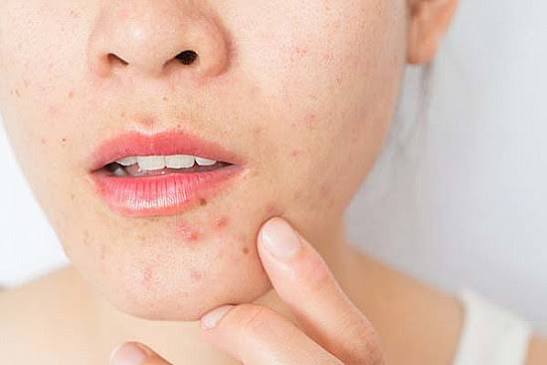
Perioral dermatitis can be frustrating. One day your skin looks normal, and the next you notice small red bumps, dryness, and irritation around your mouth. It may burn, itch, or feel tight. Many adults mistake it for acne, eczema, or an allergic reaction, so they often try different creams that only make the condition worse.
If you’re searching for the best treatment for adults for perioral dermatitis problem, you’re not alone. This skin condition is common in adults, especially women, but it can affect anyone. The good news is that it can often be managed with the right treatment and skincare routine.
While simple home care may help in mild cases, some people continue to struggle with recurring flare-ups. If your rash is not improving or keeps coming back, it is a good idea to consult a qualified dermatologist. You can book a consultation with Dr. Pretty Singla at Pretty Skin Clinic, Gurgaon → https://prettyskin.in/. A dermatologist can help identify the exact cause and recommend a treatment plan that suits your skin.
In this guide, you’ll learn what causes perioral dermatitis, how to recognize it, treatment options that actually help, and when it’s time to seek professional care.
What Is Perioral Dermatitis?
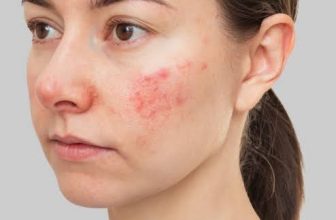
Perioral dermatitis is a skin condition that causes small red or pink bumps around the mouth. The rash may spread to the chin, around the nose, or even near the eyes in some people.
Unlike acne, these bumps usually do not have blackheads or whiteheads. The skin often feels dry, flaky, or sensitive.
Although it is not dangerous or contagious, it can affect your confidence and become difficult to manage if treated incorrectly.
Who Can Get Perioral Dermatitis?
This condition is most common in:
- Adult women between 20 and 45 years
- People with sensitive skin
- Individuals using steroid creams on the face
- People using many skincare or cosmetic products
- Adults with hormonal changes
Men and children can also develop perioral dermatitis, although it is less common.
What Causes Perioral Dermatitis?
There isn’t always one single cause. Often, several factors work together.
Some common triggers include:
- Long-term use of steroid creams on the face
- Heavy moisturizers
- Thick makeup products
- Fluoride toothpaste in some people
- Hormonal changes
- Certain cosmetic ingredients
- Skin irritation from harsh cleansers
- Weather changes
- Stress
Sometimes, the exact trigger is difficult to identify without help from a dermatologist.
Common Symptoms of Perioral Dermatitis
Symptoms can vary from person to person.
The most common signs include:
- Small red bumps around the mouth
- Dry, flaky skin
- Burning sensation
- Mild itching
- Tight or sensitive skin
- Rash around the nose
- Rash near the eyes in some cases
Many people notice that the skin becomes more irritated after using steroid creams or strong acne products.
Why Does It Keep Coming Back?
One reason people struggle with recurring perioral dermatitis is treating the wrong problem.
Many mistake it for acne and use acne creams that are too harsh.
Others continue using steroid creams because they temporarily reduce redness. Once the cream is stopped, the rash often returns and may become worse.
Without identifying the trigger, flare-ups can continue.
Best Treatment for Adults for Perioral Dermatitis Problem
The best treatment for adults for perioral dermatitis problem depends on the severity of the condition and its underlying cause.
A combination of skincare changes and medical treatment often gives the best results.
1. Stop Using Steroid Creams (Only Under Medical Guidance)
If steroid creams caused the problem, your dermatologist may advise stopping them.
However, stopping suddenly can temporarily make the rash look worse.
Never stop prescribed medications without speaking to your doctor first.
2. Keep Your Skincare Routine Simple
Less is often better.
Choose:
- Gentle cleanser
- Fragrance-free moisturizer
- Mineral sunscreen if recommended
- Mild skincare products
Avoid:
- Scrubs
- Strong exfoliating acids
- Alcohol-based products
- Heavy oils
- Thick cosmetic creams
Giving your skin time to heal is important.
3. Prescription Creams
Depending on your skin, a dermatologist may recommend prescription creams that help reduce inflammation and control the rash.
These medicines should only be used as directed by a qualified healthcare professional.
4. Oral Medicines
For moderate or severe cases, oral medicines may be recommended for a limited period.
These treatments help reduce inflammation while the skin heals.
Always complete the prescribed course unless your doctor advises otherwise.
5. Treat the Underlying Trigger
Long-term improvement often depends on identifying what’s causing the flare-ups.
Your dermatologist may review:
- Current skincare routine
- Cosmetic products
- Medications
- Hormonal factors
- Lifestyle habits
Removing the trigger can reduce future flare-ups.
Home Care Tips That May Help
While home remedies cannot replace medical treatment, they may help support healthy skin.
Wash With a Gentle Cleanser
Avoid harsh face washes that strip the skin.
Choose a mild cleanser made for sensitive skin.
Skip Heavy Makeup
If possible, reduce makeup use until your skin improves.
This allows the skin barrier to recover.
Protect Your Skin From Irritation
Avoid rubbing your face with towels.
Pat the skin dry gently.
Avoid Picking the Rash
Touching or squeezing bumps can increase irritation and delay healing.
Stay Consistent
Frequent switching between skincare products can make the condition worse.
Stick with a simple routine unless advised otherwise.
Lifestyle Changes That Can Support Skin Recovery
Small daily habits can make a difference.
Try to:
- Drink enough water
- Get adequate sleep
- Manage stress
- Eat a balanced diet
- Avoid smoking if applicable
- Keep skincare minimal
Although these changes are not a cure, they may help improve overall skin health.
When Should You See a Dermatologist?
You should consider seeing a dermatologist if:
- The rash lasts for several weeks
- Home care isn’t helping
- It keeps returning
- The rash spreads near your eyes
- Burning or irritation becomes severe
- You’re unsure whether it’s acne, eczema, or another skin condition
Early diagnosis can help prevent unnecessary treatments that may worsen the condition.
How Dr. Pretty Singla at Pretty Skin Clinic Can Help
If your symptoms continue despite home care, professional evaluation can make a big difference.
Dr. Pretty Singla at Pretty Skin Clinic, Gurgaon has experience in diagnosing and treating a wide range of skin conditions, including perioral dermatitis. Instead of simply treating the visible rash, the clinic focuses on understanding possible triggers, reviewing your skincare routine, and creating a personalized treatment plan based on your skin’s needs.
During your consultation, the dermatologist may:
- Examine your skin carefully
- Differentiate perioral dermatitis from acne, eczema, or rosacea
- Identify possible triggers
- Recommend suitable prescription treatment if needed
- Guide you on skincare products that are less likely to irritate your skin
- Provide follow-up care if the condition returns
If home remedies aren’t helping and this problem keeps coming back, it’s a good idea to get it checked by a dermatologist. You can book a consultation with Dr. Pretty Singla at Pretty Skin Clinic, Gurgaon → https://prettyskin.in/.
Mistakes to Avoid
Many people accidentally make perioral dermatitis worse.
Try to avoid:
- Using steroid creams without medical advice
- Overwashing your face
- Trying multiple home remedies at once
- Using strong acne products
- Picking at the bumps
- Constantly changing skincare products
Patience is important because healing may take several weeks.
Can Perioral Dermatitis Be Prevented?
Not every case can be prevented, but these habits may reduce the chances of future flare-ups.
- Keep your skincare routine simple.
- Avoid unnecessary steroid creams on the face.
- Use gentle products for sensitive skin.
- Replace irritating cosmetic products.
- Follow your dermatologist’s advice if you’ve had previous flare-ups.
Frequently Asked Questions
Is perioral dermatitis the same as acne?
No. Although the bumps may look similar, perioral dermatitis usually does not have blackheads or whiteheads. It also tends to appear around the mouth and may burn or sting more than acne.
How long does perioral dermatitis take to heal?
Recovery varies from person to person. Mild cases may improve within a few weeks, while more persistent cases can take longer with proper treatment.
Can stress make perioral dermatitis worse?
Stress may trigger or worsen flare-ups in some people. Managing stress along with proper skincare may help support recovery.
Should I stop wearing makeup?
If possible, reducing makeup during active flare-ups may help decrease skin irritation. When you do wear makeup, choose products designed for sensitive skin.
Can perioral dermatitis come back?
Yes. It can return if the underlying trigger is not identified or if irritating products or steroid creams are used again.
Conclusion
Living with perioral dermatitis can be stressful, especially when the rash keeps returning despite trying different products. The best treatment for adults for perioral dermatitis problem usually starts with identifying the cause, simplifying your skincare routine, avoiding known triggers, and following appropriate medical advice when needed.
Mild cases may improve with gentle skincare and lifestyle changes, but persistent or recurring symptoms should be evaluated by a dermatologist. Getting the correct diagnosis early can help avoid treatments that may make the condition worse.
If your symptoms continue or you’re unsure what’s causing the rash, you can book a consultation with Dr. Pretty Singla at Pretty Skin Clinic, Gurgaon → https://prettyskin.in/. A qualified dermatologist can help diagnose your condition and recommend a treatment plan that’s right for you.