Have you ever noticed a scar that just refuses to stop growing? You got a small cut, a piercing, or a minor burn, and instead of healing flat, it turned into a raised, thick, and sometimes itchy bump. If this sounds familiar, you are likely dealing with a keloid scar.
Keloids can be incredibly frustrating. They do not just affect how your skin looks; they can also be physically uncomfortable. They might itch, hurt, or feel tight when you move. It is completely normal to feel self-conscious about them, especially if they are in highly visible areas like your neck, chest, or ears.
You might have tried hiding them or applying random creams you found online, only to find that nothing seems to work. The good news is that you do not have to live with the discomfort.
If you are looking for the best skin doctor in Gurgaon for keloid scar problem, understanding what is happening to your skin is the first step toward getting relief. Let us look closely at what keloids are, why they form, and what you can do to manage them effectively.
What Exactly is a Keloid Scar?
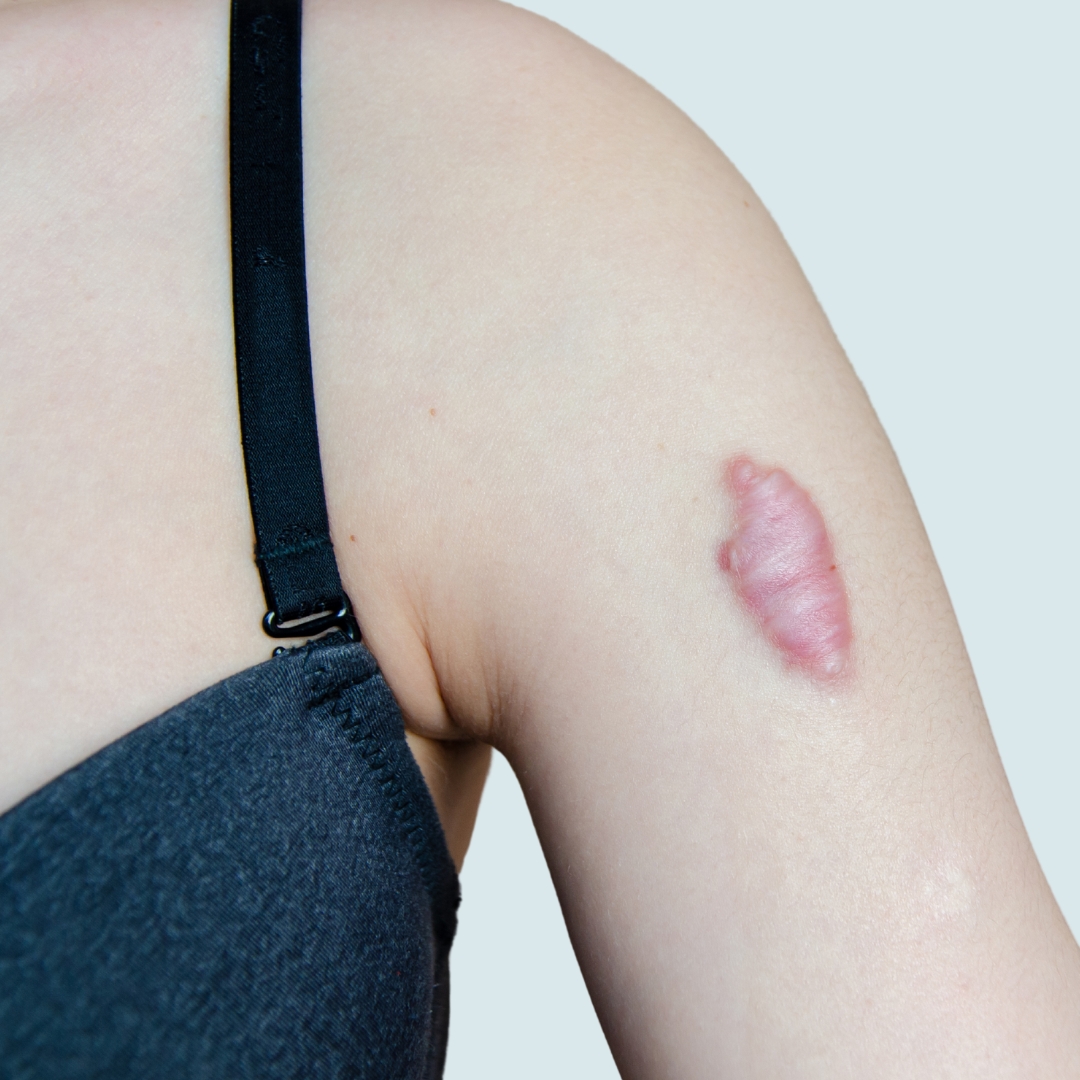
A keloid is a type of raised scar that grows much larger than the original wound that caused it. While normal scars fade and flatten over time, keloids keep growing. They are made of an overproduction of collagen, which is the tough protein your body uses to heal skin damage.
Keloids are completely harmless and are not cancerous. However, because they grow aggressively and do not go away on their own, they can cause significant physical discomfort and emotional distress.
What Do Keloids Look and Feel Like?
-
Color: They can be flesh-colored, pink, red, or dark brown.
-
Texture: They usually feel firm, rubbery, or hard to the touch.
-
Surface: The surface is often shiny, smooth, and hairless.
-
Location: They most commonly appear on the chest, shoulders, back, earlobes, and neck.
-
Sensation: They can be highly sensitive, itchy, tender, or even painful when touched.
Why Do Keloid Scars Form?
To understand how to treat a keloid, it helps to understand why your body made one in the first place.
When your skin is injured, your body rushes to repair the gap. It produces collagen to knit the skin back together. In most people, the body knows when to stop producing collagen once the wound is closed.
However, if you are prone to keloids, your body’s healing signal gets stuck in the “on” position. It keeps producing collagen long after the wound has healed, creating a bulky, raised scar that spills over the borders of the original injury.
Common Triggers for Keloids
-
Ear or body piercings
-
Chickenpox or severe acne scars
-
Surgical cuts or stitches
-
Minor burns or scrapes
-
Vaccination sites
-
Tattoos
Who is Most Likely to Get Keloids?
Anyone can develop a keloid, but certain factors make some people much more prone to them:
-
Skin Tone: Keloids are far more common in people with darker skin tones, including individuals of Asian, African, or Hispanic descent.
-
Family History: If your parents or siblings get keloids, there is a very high chance you will get them too.
-
Age: They are most likely to develop in people between the ages of 10 and 30.
Practical Home Care and Management Tips
Before seeking medical treatments, there are several gentle, non-invasive steps you can take at home. While these home remedies may not completely erase a mature keloid, they can help soften the scar, reduce itching, and prevent the scar from growing larger.
1. Silicone Gel Sheets or Gels
Silicone is one of the most widely recommended over-the-counter options for scar care. It works by keeping the scar hydrated and applying gentle pressure.
-
How to use: Apply a medical-grade silicone gel sheet or rub silicone gel over the clean scar daily.
-
Duration: For best results, keep the sheet on for 12 to 24 hours a day over several months.
2. Gentle Pressure Therapy
If you have a new scar or have just had a keloid removed, pressure can help prevent it from returning.
-
How to use: You can use pressure earrings for earlobe keloids or pressure bandages for other parts of the body.
-
Tip: Always speak to a professional before applying heavy pressure to an active scar.
3. Protect the Scar from the Sun
Ultraviolet (UV) light from the sun can darken your keloid scar, making it look much more noticeable. Sun exposure can also irritate the tissue.
-
How to use: Apply a broad-spectrum sunscreen with SPF 30 or higher daily. Cover the scar with clothing whenever you go outside.
4. Avoid Picking or Scratching
It can be incredibly tempting to scratch an itchy keloid or pick at acne. However, any added irritation or friction can signal your body to produce even more collagen, causing the keloid to grow larger.
When Should You See a Professional Dermatologist?
Home remedies require a lot of patience and may only offer mild relief. If your keloid is growing rapidly, causing severe pain, or deeply affecting your self-confidence, it is time to seek professional medical advice.
Because keloids are notoriously difficult to treat, trying to cut them off yourself or using harsh home remedies can actually make them worse. A qualified dermatologist can evaluate the scar and recommend safe, medically proven treatments to flatten the scar and soothe the irritation.
Professional Treatment Options for Keloids
A dermatologist has access to advanced tools and treatments that are not available over the counter. Depending on the size, age, and location of your keloid, they may suggest one or a combination of the following treatments:
Corticosteroid Injections
This is often the first line of defense for keloids. A dermatologist injects a steroid solution directly into the scar tissue. This helps break down the excess collagen fibers, shrinking the scar and relieving itching and pain. Most people need a series of injections spaced a few weeks apart.
Cryotherapy
For smaller keloids, cryotherapy involves freezing the scar tissue from the inside out using liquid nitrogen. This freezes the blood vessels feeding the keloid, causing the excess scar tissue to die and peel away.
Laser Therapy
Certain lasers, such as pulsed dye lasers, can help reduce the redness and size of keloid scars. Laser treatments also help flatten the scar and improve the overall texture of the surrounding skin.
Surgical Removal
In some cases, a dermatologist can surgically cut out the keloid. However, because surgery is a new injury, there is a very high risk that the keloid will grow back even larger. To prevent this, dermatologists almost always combine surgery with other treatments, like steroid injections or pressure therapy, immediately after the procedure.
Meet Your Trusted Expert: Dr. Pretty Singla at Pretty Skin Clinic
If you are looking for the best skin doctor in Gurgaon for keloid scar problem, it is highly recommended to seek care from a specialized professional who understands the delicate nature of scar tissue.
Dr. Pretty Singla is a highly respected, board-certified dermatologist in Gurgaon known for her compassionate, patient-first approach. At Pretty Skin Clinic, she understands that every skin type is different, and a keloid on one person requires a completely different treatment plan than a keloid on another.
Why Choose Pretty Skin Clinic for Keloid Treatment?
-
Customized Care Plans: Dr. Pretty Singla does not believe in a one-size-fits-all solution. She evaluates your medical history, skin type, and the age of your scar to design a treatment plan that offers the best possible results.
-
Advanced Treatments: Pretty Skin Clinic is equipped with modern dermatological technologies, ensuring you receive safe, comfortable, and up-to-date clinical care.
-
Honest Guidance: You will receive clear, realistic expectations about your treatment journey. Dr. Singla focuses on long-term skin health and safety over quick fixes.
If home remedies are not providing relief and your scar is causing you physical discomfort or worry, it is a good idea to get it checked by an expert. You can book a consultation with Dr. Pretty Singla at Pretty Skin Clinic, Gurgaon → https://prettyskin.in/
Frequently Asked Questions About Keloid Scars
1. Will a keloid scar go away on its own?
No, keloid scars do not go away on their own. Unlike normal scars that gradually flatten and fade over several months, keloids persist and may even continue to grow slowly over many years unless they are treated by a professional.
2. Can I get a keloid removed permanently?
While treatments can significantly flatten a keloid, reduce its size, and stop the itching, there is always a chance a keloid can return, especially if it is surgically removed without follow-up care. Consulting the best skin doctor in Gurgaon for keloid scar problem ensures you get a combination therapy plan to lower the chances of recurrence.
3. Does keloid removal hurt?
Most clinical treatments are designed to minimize discomfort. For example, local numbing creams or small anesthetic injections are often used before treatments like steroid injections or cryotherapy to make the process as painless as possible.
4. Can I get piercings or tattoos if I get keloids?
If you have a personal or family history of keloid scars, it is highly recommended to avoid ear piercings, body piercings, and tattoos. Even a tiny needle puncture can trigger your body to create a large keloid scar.
5. Are keloids contagious or dangerous?
No. Keloids are not contagious; you cannot catch them from someone else or spread them to other parts of your own body through touch. They are also completely non-cancerous and harmless to your overall physical health, though they can be painful and itchy.
Final Thoughts on Managing Keloids
Living with a keloid scar can be both physically uncomfortable and emotionally draining. It is easy to feel discouraged when over-the-counter creams do not work. However, with the right guidance, patience, and professional care, you can find a treatment plan that flattens the scar and relieves the irritating itch and pain.
Remember to treat your skin with gentle care, protect your scars from the sun, and avoid any unnecessary skin injuries.
If you are ready to take the next step toward healthier, smoother skin, consulting an experienced dermatologist is the safest and most effective path forward.
If you would like to explore professional treatment options with an expert who puts your comfort and safety first, you can book a consultation with Dr. Pretty Singla at Pretty Skin Clinic here → https://prettyskin.in/