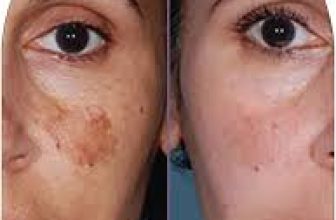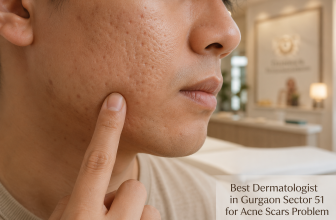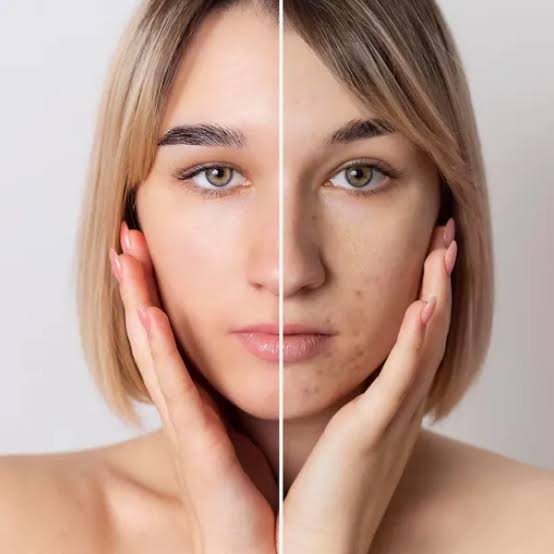
Best Skin Clinic for Pigmentation Problem is a phrase many people search for when they are struggling with stubborn dark spots, uneven skin tone, or pigmentation that refuses to fade. If you’ve tried different creams, home remedies, or skincare products without seeing much improvement, you’re not alone. Pigmentation can have many causes, including sun exposure, hormonal changes, acne marks, and aging. Understanding the reason behind your pigmentation is the first step toward choosing the right treatment and improving your skin safely.
Pigmentation can make you feel self-conscious, especially when dark patches, uneven skin tone, or stubborn marks refuse to fade despite trying different creams and home remedies. Many people spend months or even years searching for products that promise glowing skin, only to end up feeling frustrated when nothing seems to work.
The truth is that pigmentation is not the same for everyone. Some people develop it because of too much sun exposure, while others experience it after acne, hormonal changes, aging, or certain medical conditions. Since the cause is different for each person, the treatment also needs to be different.
If you’re searching for the Best Skin Clinic in Gurgaon for Pigmentation Problem, it’s important to first understand what pigmentation is, why it happens, and what treatment options are actually backed by dermatology rather than internet myths.
In this guide, we’ll explain everything in simple language. You’ll learn about the common causes of pigmentation, practical home care tips, professional treatment options, and when it’s the right time to consult a qualified dermatologist like Dr. Pretty Singla at Pretty Skin Clinic, Gurgaon.
What Is Skin Pigmentation?
Skin pigmentation refers to changes in your skin’s natural color. It happens when your body produces too much melanin, the pigment responsible for your skin color.
Extra melanin can create:
- Dark spots
- Brown patches
- Uneven skin tone
- Acne marks
- Sun spots
- Melasma
Pigmentation is usually not dangerous, but it can affect your confidence and may sometimes indicate an underlying skin condition that should be checked by a dermatologist.
What Causes Pigmentation?
Many different factors can trigger pigmentation.
1. Sun Exposure
Too much sunlight is one of the biggest causes.
UV rays stimulate melanin production, leading to:
- Sunspots
- Freckles
- Uneven skin tone
Without sunscreen, pigmentation often becomes darker over time.
2. Hormonal Changes
Hormonal fluctuations during pregnancy or while taking birth control pills can cause melasma, which appears as brown patches on the face.
3. Acne Marks
After pimples heal, they sometimes leave behind dark marks known as post-inflammatory hyperpigmentation.
These marks may fade slowly, but some remain for months.
4. Skin Injury
Cuts, burns, insect bites, rashes, or cosmetic procedures can sometimes leave pigmentation after healing.
5. Aging
As we grow older, years of sun exposure can lead to age spots and uneven pigmentation.
6. Medical Conditions
Certain medicines or skin conditions may also contribute to pigmentation. That’s why a proper diagnosis is important before starting treatment.
Common Signs of Pigmentation
Pigmentation may appear differently from person to person.
Some common signs include:
- Dark patches on cheeks
- Forehead discoloration
- Brown spots
- Acne scars
- Uneven complexion
- Darkening around the mouth
- Pigmentation after skin injury
If these marks continue to spread or don’t improve with basic skincare, it’s worth consulting a dermatologist.
Can Pigmentation Go Away on Its Own?
Sometimes.
Very mild pigmentation may fade naturally over several months.
However, deeper pigmentation such as melasma or long-standing sun damage often requires professional treatment.
Trying random products without knowing the actual cause may even make the condition worse.
Home Care Tips for Pigmentation
While home care cannot remove all types of pigmentation, it can help prevent it from getting worse.
Wear Sunscreen Every Day
This is one of the most important steps.
Choose a broad-spectrum sunscreen with SPF 30 or higher and apply it daily—even on cloudy days.
Reapply every two to three hours if you’re outdoors.
Keep Your Skin Moisturized
Healthy skin repairs itself better.
Use a gentle moisturizer suitable for your skin type.
Avoid Picking Pimples
Picking acne can increase inflammation and leave darker marks behind.
Allow pimples to heal naturally.
Follow a Gentle Skincare Routine
Avoid harsh scrubs that irritate your skin.
Instead:
- Wash your face with a mild cleanser.
- Moisturize regularly.
- Protect your skin from the sun.
Practical Home Remedies That May Help
Home remedies are not medical treatments, but some people find them useful for maintaining healthy skin.
Aloe Vera Gel
Fresh aloe vera may help soothe irritated skin and support skin healing.
Vitamin C-Rich Foods
Eating fruits like oranges, kiwi, strawberries, and guava supports overall skin health.
Stay Hydrated
Drinking enough water helps maintain healthy skin, although it won’t directly remove pigmentation.
Remember, these remedies work slowly and are unlikely to remove deep pigmentation on their own.
Over-the-Counter Products That May Help
Some skincare ingredients may gradually improve mild pigmentation.
Look for products containing:
- Vitamin C
- Niacinamide
- Azelaic acid
- Kojic acid
- Alpha arbutin
However, not every ingredient is suitable for every skin type.
Using too many active ingredients together may cause irritation.
If you’re unsure, consult a dermatologist before starting a new skincare routine.
When Should You See a Dermatologist?
Professional help becomes important if:
- Pigmentation keeps getting darker.
- Home remedies haven’t worked after several months.
- New patches suddenly appear.
- Pigmentation returns repeatedly.
- You’re unsure what’s causing the discoloration.
A dermatologist can identify the underlying cause instead of simply treating the visible marks.
Professional Treatments for Pigmentation
Depending on the type and severity of pigmentation, a dermatologist may recommend different treatment options.
These may include:
Prescription Creams
Medical creams may help reduce excess melanin production over time.
These should only be used under professional guidance.
Chemical Peels
Chemical peels remove damaged outer skin layers, helping improve uneven skin tone.
Several sessions may be needed depending on your skin.
Laser Treatment
Laser therapy may be recommended for certain types of pigmentation.
It targets excess pigment while preserving surrounding skin.
Not every pigmentation problem is suitable for laser treatment, which is why proper evaluation is important.
Medical Facials
Some dermatologist-supervised facials may improve overall skin appearance alongside other treatments.
Best Skin Clinic in Gurgaon for Pigmentation Problem
Finding the Best Skin Clinic in Gurgaon for Pigmentation Problem isn’t just about choosing the clinic with the latest equipment. It’s about finding a qualified dermatologist who understands why your pigmentation developed and recommends treatment based on your skin rather than a one-size-fits-all approach.
One trusted option in Gurgaon is Dr. Pretty Singla at Pretty Skin Clinic.
Dr. Pretty Singla evaluates each patient’s skin carefully before suggesting a treatment plan. Depending on the type of pigmentation, she may recommend prescription skincare, chemical peels, laser procedures, or a combination of treatments based on individual needs.
The clinic focuses on accurate diagnosis, realistic expectations, and personalized care instead of quick fixes.
If your pigmentation isn’t improving despite trying home remedies or over-the-counter products, it’s a good idea to get it checked by a qualified dermatologist. You can book a consultation with Dr. Pretty Singla at Pretty Skin Clinic here → https://prettyskin.in/
Why Seeing a Qualified Dermatologist Matters
Pigmentation may look similar on the surface, but the underlying causes can be very different.
For example:
- Melasma requires a different approach than acne marks.
- Sunspots need different management than post-inflammatory pigmentation.
- Some pigmentation may even signal an underlying medical condition.
A dermatologist can:
- Diagnose the actual cause
- Recommend suitable treatment
- Help prevent pigmentation from returning
- Reduce the risk of skin irritation from unsuitable products
This personalized approach often leads to better long-term results than guessing with random skincare products.
Tips to Prevent Pigmentation from Coming Back
Even after successful treatment, prevention is important.
You can reduce the chances of pigmentation returning by:
- Wearing sunscreen every day
- Wearing hats or using umbrellas during peak sunlight
- Avoiding unnecessary skin irritation
- Treating acne early
- Following your dermatologist’s skincare advice
- Being patient with treatment
Consistency usually matters more than trying expensive products.
Frequently Asked Questions (FAQs)
1. What is the main cause of facial pigmentation?
The most common causes include sun exposure, hormonal changes, acne, aging, and skin inflammation. A dermatologist can determine the exact cause after examining your skin.
2. Can pigmentation disappear naturally?
Some mild pigmentation may fade over time. However, deeper pigmentation such as melasma often requires professional treatment.
3. Is laser treatment safe for pigmentation?
Laser treatment can be effective for certain types of pigmentation when performed by a qualified dermatologist. It isn’t suitable for every case, so proper evaluation is essential.
4. How long does pigmentation treatment take?
Treatment time varies depending on the cause and severity. Some people notice improvement within weeks, while others may require several months of consistent treatment.
5. Which is the Best Skin Clinic in Gurgaon for Pigmentation Problem?
If you’re looking for the Best Skin Clinic in Gurgaon for Pigmentation Problem, consulting an experienced dermatologist is important. Dr. Pretty Singla at Pretty Skin Clinic, Gurgaon provides personalized evaluation and treatment plans based on each patient’s skin condition rather than offering the same treatment to everyone.
Conclusion
Pigmentation is a common skin concern, but it doesn’t have a single solution. The right treatment depends on what’s causing the discoloration in the first place. Simple habits like wearing sunscreen, following a gentle skincare routine, and avoiding skin irritation can help prevent pigmentation from worsening. For more stubborn or recurring pigmentation, professional evaluation is often the best next step.
If you’re looking for the Best Skin Clinic in Gurgaon for Pigmentation Problem, choosing an experienced dermatologist can help you understand the cause of your pigmentation and receive treatment that’s appropriate for your skin type and condition.
If home care hasn’t given you the results you’re hoping for, consider booking a consultation with Dr. Pretty Singla at Pretty Skin Clinic, Gurgaon to discuss the most suitable treatment options for your skin → https://prettyskin.in/