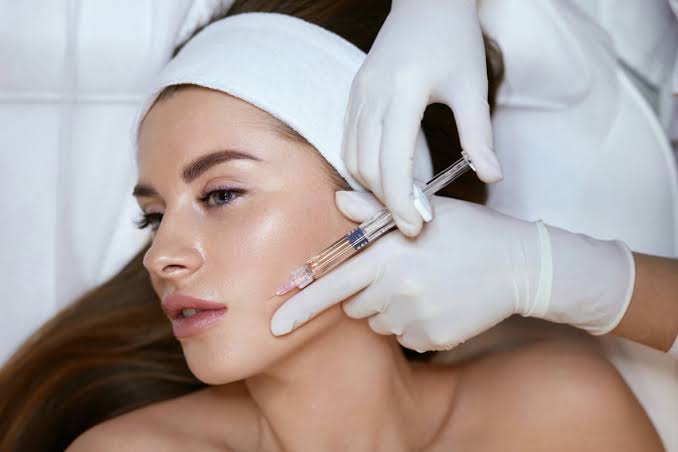
Getting dermal fillers is an exciting way to refresh your look. Most of the time, the process goes smoothly. However, sometimes things do not go as planned. You might notice unusual swelling, severe asymmetry, lumps, or even signs of a blocked blood vessel. Discovering a filler injection problem can be highly stressful and alarming.
It is completely normal to feel anxious if your face does not look or feel the way you expected. Your comfort and safety are the top priorities right now. Rest assured that most filler issues can be managed and corrected if you take the right steps.
Knowing exactly how to care for your skin after a complication is key to a smooth recovery. If your symptoms are severe or home care does not help, it is vital to seek professional medical advice. For personalized medical guidance, you can book a consultation with Dr. Pretty Singla at Pretty Skin Clinic here → https://prettyskin.in/
This comprehensive guide will explain why filler problems happen, what symptoms to look out for, and the best aftercare tips for adults after a filler injection problem to help your skin heal safely.
Understanding a Filler Injection Problem: Why It Happens
Before jumping into remedies, it is important to understand what a filler injection problem actually is. Fillers are gel-like substances injected beneath the skin. While they are generally safe, complications can arise due to various factors. These can range from minor, temporary side effects to serious medical issues that require urgent care.
Common Causes of Filler Problems
-
Improper Injection Technique: Injected filler placed too close to the surface can cause visible lumps or a blue tint known as the Tyndall effect.
-
Accidental Vascular Occlusion: This happens when filler accidentally enters a blood vessel, blocking blood flow. It is a serious issue that needs immediate medical attention.
-
Body’s Natural Reaction: Your immune system might treat the filler as a foreign object, causing prolonged swelling or hard nodules.
-
Using Too Much Product: Overfilling an area can lead to an unnatural, distorted, or heavy appearance.
Symptoms of a Filler Injection Problem
It is crucial to differentiate between normal healing and a true complication. Normal swelling and mild bruising are expected after a session. However, specific signs indicate a filler injection problem.
Normal Side Effects vs. Warning Signs
-
Normal Healing: Mild swelling, light bruising, and slight tenderness that fade away within 3 to 7 days.
-
Filler Problem Signs: Severe, throbbing pain, skin that feels unusually cold, white or purple mottling of the skin, expanding redness, and hard, painful lumps that do not improve.
Important Note: If you experience severe pain, skin discoloration, or vision changes after an injection, do not wait. Contact a doctor immediately, as these are signs of a medical emergency.
The Best Aftercare Tips for Adults After Filler Injection Problem
If you are dealing with a mild filler issue or waiting to see your doctor, proper self-care can make a big difference. Here are the best aftercare tips for adults after a filler injection problem to manage your discomfort and protect your skin.
1. Apply Cold Compresses Safely
Swelling is a common response to filler issues. To calm the inflammation, apply a clean ice pack wrapped in a soft cloth to the affected area.
-
Apply the cold pack for 10 to 15 minutes at a time.
-
Repeat this process every few hours.
-
Never apply ice directly to bare skin, as it can cause tissue damage.
-
Avoid applying heavy pressure, which could shift the filler further.
2. Keep Your Head Elevated
Keeping your head raised helps minimize fluid buildup in your face, reducing swelling and throbbing sensations.
-
Prop yourself up with extra pillows when resting or sleeping.
-
Try to sleep on your back to avoid putting direct pressure on your face.
-
Avoid bending over or lifting heavy items, as this increases blood flow to the head.
3. Avoid Massaging the Area (Unless Instructed)
It can be incredibly tempting to press or rub a lump, but doing so without professional guidance can worsen the issue.
-
Rough massaging can spread the filler to unwanted areas.
-
It can aggravate inflamed tissue and increase swelling.
-
Only massage the area if your treating dermatologist explicitly instructs you to do so.
4. Stay Hydrated and Eat Well
Good nutrition and hydration support your body’s natural healing processes.
-
Drink plenty of water to help flush out toxins and keep skin cells healthy.
-
Focus on eating anti-inflammatory foods like leafy greens, berries, and healthy fats.
-
Limit foods high in salt, as excess sodium can cause your body to retain fluid and worsen facial swelling.
Lifestyle Adjustments for Safer Healing
What you avoid doing during recovery is just as important as what you actively do. Making small lifestyle tweaks can prevent your filler problem from escalating.
Avoid Strenuous Exercise
Intense workouts increase your heart rate and blood pressure, which can worsen swelling, bruising, and inflammation at the injection site.
-
Skip the gym, heavy cardio, and intense yoga for at least 48 to 72 hours.
-
Stick to gentle, slow walks if you feel up to moving around.
-
Give your body the rest it needs to focus entirely on healing.
Stay Out of Extreme Heat
Heat dilates blood vessels, which can trigger more swelling and discomfort in the troubled area.
-
Stay away from saunas, steam rooms, and hot tubs.
-
Avoid taking hot showers or washing your face with hot water; use lukewarm water instead.
-
Protect your skin from direct sunlight by wearing a wide-brimmed hat when outdoors.
Skip Alcohol and Blood Thinners
Certain substances can thin your blood, making bruising and swelling significantly worse.
-
Avoid alcoholic beverages for at least 48 hours after noticing a problem.
-
Consult your doctor before pausing any prescribed medications.
-
Avoid over-the-counter blood thinners like aspirin or ibuprofen unless approved by a physician.
Safe Over-the-Counter Options
If you need relief from minor symptoms, certain over-the-counter options may help manage discomfort under proper guidance.
Gentle Pain Relief
If the area feels sore or tender, choosing the right pain reliever matters.
-
Acetaminophen (Paracetamol): This is generally preferred for post-filler discomfort because it relieves pain without thinning the blood.
-
Avoid NSAIDs: Avoid medications like ibuprofen or aspirin unless recommended by your doctor, as they can increase bruising.
Natural Remedies for Bruising
-
Arnica Montana: This natural herb is widely used to reduce bruising and mild swelling. It is available as oral pellets or topical gels.
-
Bromelain: An enzyme found in pineapples, bromelain can help your body break down bruises faster. You can consume fresh pineapple or take it as a supplement.
When to Seek Professional Dermatology Treatment
While home care is highly beneficial for mild swelling or minor unevenness, it cannot fix a severe filler injection problem. Knowing when to see a qualified professional is essential for protecting your health and appearance.
Signs You Need Professional Help
-
Your symptoms worsen after 24 to 48 hours.
-
You notice the skin turning white, grey, or dark purple.
-
The pain becomes severe, throbbing, or unmanageable.
-
You develop a fever or see pus, which are signs of an infection.
How a Dermatologist Can Fix Filler Problems
A qualified dermatologist has specialized tools and medical treatments to resolve filler issues safely:
-
Hyaluronidase Injections: If you received a hyaluronic acid filler, this enzyme can be injected to dissolve the problematic filler quickly and safely.
-
Prescription Medications: A dermatologist can prescribe antibiotics for infections or oral steroids to calm severe allergic reactions.
-
Expert Guidance: They can accurately assess your skin, identify the exact root cause of the issue, and create a customized plan to restore your natural appearance.
Expert Care: Dr. Pretty Singla and Pretty Skin Clinic, Gurgaon
When dealing with a stressful filler injection problem, you deserve expert medical care from a trusted professional. Dr. Pretty Singla is a highly qualified, board-certified dermatologist known for her deep expertise in facial anatomy and corrective aesthetic treatments.
At Pretty Skin Clinic in Gurgaon, the focus is entirely on patient safety, comfort, and precise medical care. The clinic understands how distressing a cosmetic complication can be. They provide a calm, welcoming environment where your concerns are listened to with genuine empathy.
Dr. Pretty Singla utilizes advanced diagnostic methods to evaluate your specific filler issue. Whether you need precise hyaluronidase therapy to dissolve poorly placed filler, treatment for an inflammatory reaction, or guidance on restoring your skin’s health, the clinic provides tailored solutions.
Choosing an experienced dermatologist ensures your face is in safe, skilled hands. If home remedies aren’t helping and this problem keeps coming back, it’s a good idea to get it checked by a dermatologist. You can book a consultation with Dr. Pretty Singla at Pretty Skin Clinic, Gurgaon → https://prettyskin.in/
Frequently Asked Questions
1. How long does a filler injection problem take to heal?
The healing timeline depends entirely on the type of problem. Mild swelling and bruising usually improve within a week with proper home care. However, if the filler needs to be professionally dissolved or if there is an infection, complete healing can take anywhere from a few days to a couple of weeks under a doctor’s care.
2. Can a filler problem fix itself over time?
Some minor issues, like slight asymmetry or tiny lumps caused by swelling, may resolve on their own as the product settles over 2 to 3 weeks. However, significant lumps, incorrect placement, or vascular issues will not fix themselves and require evaluation by a qualified professional.
3. Is it safe to dissolve problematic filler?
Yes. If your filler is made of hyaluronic acid, it can be safely and effectively dissolved using an injectable enzyme called hyaluronidase. This treatment should only be performed by an experienced dermatologist to ensure it is done accurately and safely.
4. Can I get fillers again after experiencing a problem?
Yes, you can usually get fillers again in the future, but it is vital to wait until the previous issue has completely healed and your skin has recovered. It is highly recommended to choose a skilled, board-certified dermatologist for any future procedures to minimize the risk of another complication.
Conclusion
Experiencing a filler injection problem can be highly overwhelming, but remembering that safe solutions are available can give you peace of mind. By following the best aftercare tips for adults after a filler injection problem—such as applying cool compresses, keeping your head elevated, and avoiding intense heat—you can support your body’s natural healing process.
Always listen to your body and monitor your symptoms closely. If you notice signs of severe pain, spreading discoloration, or persistent lumps, do not hesitate to reach out for expert medical assistance.
Taking quick, proactive action with the help of a medical professional is the best way to protect your skin and restore your confidence. If you want an expert evaluation and a safe path to recovery, you can book a consultation with Dr. Pretty Singla at Pretty Skin Clinic here → https://prettyskin.in/
Disclaimer: This article is for informational purposes only. Please consult a qualified dermatologist for a proper diagnosis and personalized treatment plan.