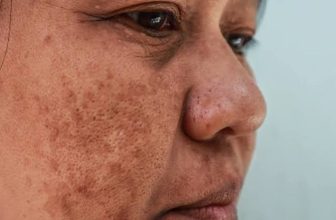
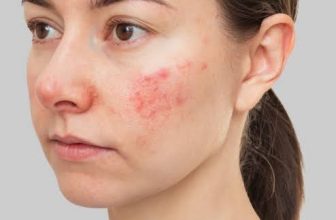
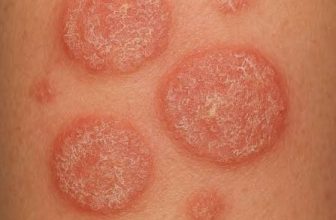
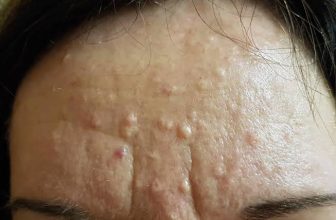
If you have been dealing with red, flaky, itchy skin on your face, you know how frustrating it can be. One day your skin looks calm, and the next day it suddenly becomes dry, greasy, or irritated again. Many adults feel embarrassed when flaky patches appear around the nose, eyebrows, beard, ears, or hairline. It can affect confidence, especially when the condition keeps coming back despite trying different creams or home remedies.
The good news is that seborrheic dermatitis is a common skin condition, and in many cases, it can be managed with the right care. Understanding what causes it and knowing which treatments actually help can make a big difference.
While many people improve with gentle skincare, lifestyle changes, and medicated products, some cases need professional medical advice. If your symptoms keep returning, spread to larger areas, or don’t improve with home care, it may be time to see a dermatologist. You can book a consultation with Dr. Pretty Singla at Pretty Skin Clinic, Gurgaon here → https://prettyskin.in/. A dermatologist can identify the exact cause and recommend the most suitable treatment for your skin.
In this guide, you’ll learn about the best remedy for adults for seborrheic dermatitis on face, practical home care tips, medical treatments, and when to seek expert help.
What Is Seborrheic Dermatitis?
Seborrheic dermatitis is a long-term inflammatory skin condition that mainly affects areas of the face and scalp where oil glands are more active.
It commonly appears on:
- Around the nose
- Eyebrows
- Forehead
- Hairline
- Beard area
- Behind the ears
- Eyelids
Unlike ordinary dry skin, seborrheic dermatitis often causes redness, greasy scales, itching, and white or yellow flakes.
Although it isn’t contagious, it can keep coming back if the underlying causes aren’t managed properly.
Why Does Seborrheic Dermatitis Happen?
Doctors don’t believe there is one single cause. Instead, several factors work together.
Common reasons include:
- Overgrowth of a natural skin yeast called Malassezia
- Excess oil production
- Sensitive skin
- Stress
- Weather changes, especially winter
- Hormonal changes
- Weakened immune system in some individuals
- Family history
Certain people notice flare-ups after periods of stress, illness, lack of sleep, or using skincare products that irritate the skin.
Common Symptoms to Watch For
Symptoms may be mild or severe depending on the person.
These include:
- Red patches on the face
- Itchy skin
- White or yellow flakes
- Greasy-looking scales
- Burning sensation
- Skin peeling
- Dryness mixed with oily areas
- Flare-ups that keep coming back
If these symptoms continue for weeks or become painful, professional evaluation is recommended.
Why Does It Keep Coming Back?
Many people wonder why their skin improves for a while and then suddenly becomes worse again.
Seborrheic dermatitis is considered a chronic condition, meaning it can return from time to time.
Common triggers include:
- Emotional stress
- Cold weather
- Lack of sleep
- Harsh soaps
- Alcohol-based skincare
- Heavy oils
- Missing treatment during improvement
The goal is usually long-term control rather than a permanent cure.
Best Remedy for Adults for Seborrheic Dermatitis on Face
There isn’t one single remedy that works for everyone. The best approach usually combines several methods depending on how severe the condition is.
Let’s look at the most effective options.
1. Follow a Gentle Skincare Routine
The first step is protecting your skin barrier.
Choose:
- Mild fragrance-free cleanser
- Non-irritating moisturizer
- Sunscreen suitable for sensitive skin
Avoid:
- Scrubbing your face
- Hot water
- Alcohol-based toners
- Strong exfoliants
- Harsh face washes
Gentle skincare helps reduce irritation and supports healing.
2. Use Medicated Creams When Needed
Depending on your condition, a dermatologist may recommend:
- Antifungal creams
- Mild steroid creams for short-term use
- Calcineurin inhibitors
- Anti-inflammatory creams
These medicines help reduce inflammation and control the yeast involved in seborrheic dermatitis.
Never use steroid creams for long periods without medical advice because they may cause side effects on facial skin.
3. Try Anti-Fungal Face Washes or Shampoos Carefully
Some medicated shampoos used for dandruff can also help around the hairline or beard when advised by a doctor.
Ingredients may include:
- Ketoconazole
- Zinc pyrithione
- Selenium sulfide
- Ciclopirox
These products should only be used as directed since facial skin is much more sensitive than the scalp.
4. Moisturize Every Day
Many adults avoid moisturizers because their skin feels oily.
However, seborrheic dermatitis often damages the skin barrier.
A lightweight moisturizer can:
- Reduce irritation
- Improve skin comfort
- Prevent excessive dryness
- Help treatments work better
Look for products designed for sensitive skin.
Practical Home Remedies That May Help
Home care cannot cure seborrheic dermatitis, but it may help reduce flare-ups.
Wash Your Face Gently
Use lukewarm water instead of hot water.
Avoid rubbing your face with rough towels.
Pat your skin dry instead.
Manage Stress
Stress is a common trigger.
Helpful habits include:
- Daily walking
- Yoga
- Meditation
- Deep breathing
- Getting enough sleep
Even small improvements in stress levels may reduce flare-ups for some people.
Eat a Balanced Diet
No specific diet cures seborrheic dermatitis.
However, many dermatologists recommend:
- Fresh fruits
- Vegetables
- Whole grains
- Healthy fats
- Omega-3-rich foods
- Drinking enough water
Limiting highly processed foods and excessive sugar may support overall skin health.
Avoid Picking the Flakes
Peeling off flakes can damage the skin.
Instead:
- Moisturize regularly.
- Let medicated treatments loosen scales naturally.
- Be gentle while cleansing.
Lifestyle Habits That Can Make a Difference
Simple daily habits often help reduce future flare-ups.
Try to:
- Sleep 7–8 hours every night.
- Avoid smoking.
- Limit alcohol if it worsens your skin.
- Keep your beard clean if you have facial hair.
- Wash after sweating.
- Replace old makeup and skincare products regularly.
- Avoid sharing face towels.
Consistency is often more important than trying many products at once.
When Should You See a Dermatologist?
Home remedies don’t always work.
You should consider professional care if:
- The rash keeps coming back.
- It becomes painful.
- The itching is severe.
- Large areas of the face are affected.
- Home treatments haven’t helped after several weeks.
- You’re unsure whether it’s eczema, psoriasis, fungal infection, or seborrheic dermatitis.
Getting the right diagnosis helps avoid unnecessary treatments.
How Can a Dermatologist Help?
A dermatologist does much more than prescribe a cream.
They can:
- Confirm whether it’s actually seborrheic dermatitis.
- Rule out similar skin conditions.
- Identify possible triggers.
- Recommend suitable prescription medicines.
- Adjust treatment if symptoms return.
- Suggest skincare products that match your skin type.
Personalized treatment often gives better long-term control than trial-and-error home remedies.
Dr. Pretty Singla and Pretty Skin Clinic, Gurgaon
If your facial seborrheic dermatitis keeps returning despite using home remedies or over-the-counter products, consulting a qualified dermatologist can help you understand the underlying cause and receive a treatment plan tailored to your skin.
Dr. Pretty Singla at Pretty Skin Clinic, Gurgaon provides dermatology care for a wide range of skin concerns, including inflammatory skin conditions such as seborrheic dermatitis. During your consultation, your skin is carefully assessed to confirm the diagnosis and determine the most appropriate treatment based on your symptoms, skin type, and medical history.
The clinic focuses on patient education along with treatment, helping individuals understand how to manage flare-ups and maintain healthier skin over time.
If your symptoms aren’t improving or they keep coming back, you can book a consultation with Dr. Pretty Singla at Pretty Skin Clinic, Gurgaon here → https://prettyskin.in/
Common Mistakes That Can Make Seborrheic Dermatitis Worse
Many adults unknowingly make their symptoms worse.
Avoid these common mistakes:
- Using very hot water
- Trying multiple creams together
- Scrubbing flaky skin
- Applying heavy oils without medical advice
- Using steroid creams for too long
- Ignoring recurring flare-ups
- Skipping moisturizer
Gentle, consistent care usually works better than aggressive treatment.
Can Seborrheic Dermatitis Be Prevented?
There is no guaranteed way to prevent it completely.
However, you may reduce flare-ups by:
- Following a regular skincare routine.
- Moisturizing daily.
- Managing stress.
- Getting enough sleep.
- Using dermatologist-recommended products.
- Treating dandruff if present.
- Avoiding known personal triggers.
Learning what triggers your own flare-ups is often one of the most effective long-term strategies.
Frequently Asked Questions
Is seborrheic dermatitis on the face contagious?
No. It cannot spread from one person to another through touch or sharing personal items.
What is the best remedy for adults for seborrheic dermatitis on face?
The best remedy for adults for seborrheic dermatitis on face usually combines gentle skincare, moisturizers, medicated antifungal treatments when needed, and professional advice for persistent cases.
Can seborrheic dermatitis go away permanently?
It often improves with treatment, but it can return over time. Regular skincare and managing triggers help reduce flare-ups.
Is it okay to wear makeup with seborrheic dermatitis?
Yes, but choose non-comedogenic, fragrance-free products and remove makeup gently at the end of the day.
When should I visit a dermatologist?
If symptoms continue for several weeks, become painful, spread, or keep coming back despite home care, it’s a good idea to seek medical advice.
Conclusion
Living with facial redness, itching, and flaky skin can be frustrating, but you don’t have to struggle alone. Understanding the condition is the first step toward managing it effectively. The best remedy for adults for seborrheic dermatitis on face usually isn’t a single product—it involves a combination of gentle skincare, healthy daily habits, appropriate medications when needed, and identifying your personal triggers.
If your symptoms are mild, simple home care may provide relief. However, if flare-ups keep returning or your skin isn’t improving, getting the right diagnosis from a dermatologist can save time and prevent unnecessary discomfort.
If home remedies aren’t helping and your symptoms continue, you can book a consultation with Dr. Pretty Singla at Pretty Skin Clinic, Gurgaon here → https://prettyskin.in/. A personalized treatment plan may help you manage your condition more effectively and improve your skin’s overall health.