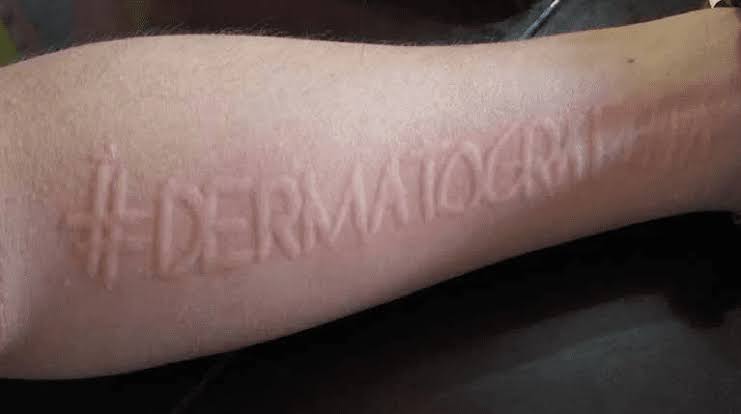
Imagine lightly scratching an itch on your arm, only to watch a bright red, swollen welt appear a few minutes later. It looks like you have been scratched by a cat or written on with a pen, even though you barely touched your skin.
If this happens to you, you are not alone. This common condition is called dermatographia, which literally means “skin writing.”
Living with this condition can be incredibly frustrating. Simple daily habits like wearing tight clothes, carrying a heavy backpack, or drying off with a towel can trigger a sudden flare-up of itchy, red lines.
While it can feel alarming, the good news is that you can manage it with the right daily habits. Finding the best skin care for adults for dermatographia problem is all about reducing friction, soothing inflammation, and keeping your skin barrier strong.
If you are tired of dealing with constant red marks and itchy skin, home remedies and lifestyle changes can offer great relief. However, if your symptoms keep coming back or make you miserable, it is always a good idea to seek professional help.
If home remedies are not helping and this problem keeps coming back, it is a good idea to get it checked by a specialist. You can book a consultation with Dr. Pretty Singla at Pretty Skin Clinic here → https://prettyskin.in/
Let us dive deep into what causes this condition and how you can care for your skin every day.
What Exactly is Dermatographia?
Dermatographia is a condition where your skin becomes overly sensitive to physical pressure or touch. When you rub, scratch, or apply pressure to your skin, it reacts by releasing a chemical called histamine.
Histamine causes the tiny blood vessels in your skin to widen and leak fluid into the surrounding tissue. This results in raised, red, itchy welts that look exactly like the shape of the pressure that caused them.
For most adults, these raised lines appear within a few minutes of the skin being rubbed. They usually peak within 10 to 15 minutes and then fade away on their own within half an hour to an hour.
However, for some people, the welts can last for several hours and cause a deep, burning itch that disrupts sleep, work, and daily life.
Common Symptoms to Look Out For
-
Raised red lines that appear exactly where your skin was scratched or pressed.
-
Swelling and welts that look like hives or bee stings.
-
Intense itching or a warm, burning sensation in the affected area.
-
Sensitivity to tight clothing, belts, watch straps, or heavy bags.
-
Symptoms that worsen with heat, stress, or exercise.
Why Does It Happen?
Medical experts do not know the exact reason why some adults develop this condition while others do not. However, we do know that it involves an overactive immune response in the skin.
Your mast cells, which are part of your immune system, are simply too sensitive. When they experience physical pressure, they mistake it for danger and release histamine.
Several everyday factors can trigger or worsen a dermatographia flare-up:
-
Physical friction: Scratching an itch, rubbing your skin with a rough towel, or scrubbing too hard in the shower.
-
Pressure: Wearing tight bras, skinny jeans, tight belts, or carrying heavy shoulder bags.
-
Temperature changes: Taking hot showers, sitting in a sauna, or sudden exposure to cold air.
-
Emotional stress: High stress and anxiety levels can make your nervous system more reactive, increasing histamine release.
-
Exercise: The combination of body heat, sweat, and clothing friction during a workout often triggers welts.
The Best Skin Care for Adults for Dermatographia Problem
When you have skin that reacts to the slightest touch, your daily skincare routine needs to be incredibly gentle. The primary goal of the best skin care for adults for dermatographia problem is to protect your skin barrier and prevent friction.
Here is a step-by-step guide to building a safe, soothing skincare routine.
1. Choose Ultra-Gentle, Soap-Free Cleansers
Standard soaps contain harsh chemicals and fragrances that strip away your skin’s natural oils. Dry skin is much more prone to itching, and itching leads to scratching, which triggers more welts.
Switch to a mild, soap-free, and fragrance-free body wash or cleanser. Look for products labeled “for sensitive skin” or “hypoallergenic.”
When you bathe, use your bare hands to apply the cleanser. Avoid using loofahs, washcloths, or rough sponges, as the physical rubbing action will immediately trigger a flare-up.
2. Moisturize Immediately After Bathing
Keeping your skin well-hydrated is one of the most effective ways to calm sensitive mast cells. A strong moisture barrier acts as a shield against physical irritation.
Apply a generous amount of cream or ointment within three minutes of stepping out of the shower. Look for moisturizers that contain soothing ingredients such as:
-
Ceramides: These help rebuild and strengthen the protective skin barrier.
-
Colloidal oatmeal: Known for its excellent anti-inflammatory and anti-itch properties.
-
Glycerin and Hyaluronic Acid: These draw moisture deep into the skin and lock it there.
Avoid thin lotions that contain high amounts of alcohol, as they evaporate quickly and can dry out your skin further.
3. Lower the Temperature of Your Water
A hot shower might feel relaxing after a long day, but heat dilates your blood vessels and makes your skin much more reactive. Hot water also strips away the natural lipids that keep your skin safe.
Switch to lukewarm water for your daily showers. Try to limit your shower time to 10 minutes or less to prevent your skin from drying out.
4. Pat Dry, Never Rub
How you dry your skin matters just as much as how you wash it. Rubbing your body vigorously with a rough cotton towel creates massive friction.
Instead, gently pat your skin dry with a soft, clean towel. Leave your skin slightly damp before applying your moisturizer to lock in extra hydration.
Practical Home Remedies and Lifestyle Changes
Beyond your daily skincare products, making small changes to your everyday lifestyle can dramatically cut down the number of flare-ups you experience. Here are some highly effective, practical tips to keep your skin calm.
Wear Loose, Breathable Fabrics
Your clothing choices play a huge role in managing this condition. Tight waistbands, stiff fabrics, and rough seams can cause constant friction as you move throughout the day.
-
Choose loose-fitting clothes made from soft, natural fibers like 100% cotton, silk, or bamboo.
-
Avoid wool and stiff synthetic fabrics like polyester, which can scratch and irritate the skin.
-
Cut off scratchy clothing tags and avoid tight bras, tight socks, or heavy belts.
Keep Your Nails Short and Smooth
It is natural to want to scratch when your skin feels itchy. However, scratching is the ultimate trigger for dermatographia, creating a painful cycle of more itching and swelling.
Keep your fingernails trimmed short and filed smooth. If you accidentally scratch yourself during the day or while sleeping, short nails will cause far less damage and reduce the severity of the welts.
Use Cold Compresses for Quick Relief
When a sudden flare-up happens and your skin feels hot and intensely itchy, apply cold temperature to soothe the area.
Wrap an ice pack or a bag of frozen vegetables in a soft, clean towel and hold it against the inflamed skin for 10 to 15 minutes. The cold temperature constricts the blood vessels, reduces swelling, and numbs the itching sensation rapidly. Never apply ice directly to the bare skin.
Manage Daily Stress Levels
Since stress directly triggers the release of histamine in the body, finding ways to relax can improve your skin health.
Incorporate simple stress-relief practices into your daily routine, such as deep breathing exercises, gentle yoga, meditation, or spending time walking in nature. Taking care of your mental well-being can calm an overreactive immune system.
Over-the-Counter Options to Consider
If gentle skin care and lifestyle changes are not quite enough to keep your symptoms under control, over-the-counter (OTC) options can provide an extra layer of help.
-
Oral Antihistamines: Non-drowsy allergy medications can help block the action of histamine in your body. They can prevent welts from forming or significantly reduce their size and itchiness.
-
Soothing Anti-Itch Creams: Over-the-counter creams containing calamine or low-strength hydrocortisone can be applied directly to small, stubborn areas of inflammation to soothe the burning sensation.
Note: It is always best to speak with a healthcare provider before starting any new daily medication to ensure it is safe for you.
When to See a Dermatologist for Professional Treatment
While home care is incredibly valuable, dermatographia can sometimes be unpredictable. If your skin condition is affecting your quality of life, causing you to lose sleep, or making it hard to wear regular clothes, it is time to seek professional medical guidance.
A qualified dermatologist can evaluate your skin thoroughly, rule out other underlying allergic conditions, and create a personalized medical treatment plan. They can prescribe stronger, more effective medications and help you identify your specific daily triggers.
Expert Care at Pretty Skin Clinic, Gurgaon
If you are looking for dedicated expert care, Dr. Pretty Singla at Pretty Skin Clinic in Gurgaon provides a highly comprehensive and compassionate approach to managing complex skin conditions like dermatographia.
Dr. Pretty Singla is a highly qualified dermatologist known for her deep expertise in treating sensitive skin disorders. She understands that every individual’s skin reacts differently, and she takes the time to listen to your history, lifestyle, and unique pain points.
At Pretty Skin Clinic, the focus is entirely on restoring your skin’s health and comfort using safe, scientifically proven methods. Rather than offering temporary fixes, the clinic focuses on building a strong skin barrier and providing long-term relief.
A dermatologist can help guide you on the right prescription antihistamines, specialized medical-grade moisturizers, and targeted therapies to calm your overactive immune response safely.
If home remedies aren’t helping and this problem keeps coming back, it’s a good idea to get it checked by a dermatologist. You can book a consultation with Dr. Pretty Singla at Pretty Skin Clinic, Gurgaon → https://prettyskin.in/
Frequently Asked Questions About Dermatographia
1. Is dermatographia permanent, or will it go away on its own?
For many adults, this condition is chronic but temporary. It can last for several months or even a few years, often changing in intensity. In many cases, it eventually goes away or improves significantly on its own over time.
2. Can certain foods or diet changes trigger a flare-up?
While it is primarily triggered by physical friction, certain foods high in histamines (like aged cheeses, fermented foods, processed meats, and alcohol) can make your skin more sensitive. Keeping a food and symptom journal can help you notice if specific foods worsen your condition.
3. Can I still get tattoos if I have this skin condition?
Getting a tattoo involves repeated physical friction and minor trauma to the skin, which will cause immediate swelling and welts during the process. While many people with this condition have successfully received tattoos, it is highly recommended to consult your dermatologist first and inform your tattoo artist beforehand.
4. Is this condition contagious or dangerous?
No, it is completely non-contagious and cannot be passed to anyone else. It is also not a dangerous or life-threatening condition. It is simply an overreaction of your skin’s immune cells to physical touch.
5. Does hot weather make the swelling worse?
Yes, heat causes your blood vessels to expand, which makes it easier for fluid to leak into the tissue when triggered. Many adults notice that their symptoms become more frequent or severe during hot summer months or after intense exercise.
Conclusion
Living with skin that reacts to every touch can feel exhausting, but finding the best skin care for adults for dermatographia problem can make a world of difference.
By switching to soap-free cleansers, keeping your skin deeply moisturized, wearing loose cotton clothing, and avoiding harsh friction, you can significantly calm your skin and reduce uncomfortable flare-ups.
Remember, you do not have to just live with the discomfort. Simple lifestyle modifications can bring immense relief, and when you need extra support, professional medical treatments are always available to help you regain control. Be kind to your skin, keep it hydrated, and give it the gentle care it deserves.
Disclaimer: This article is for informational purposes only. Please consult a qualified dermatologist for a proper diagnosis and personalized treatment plan.