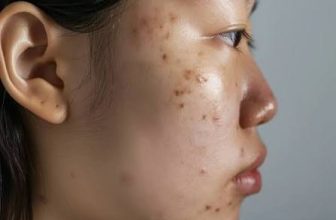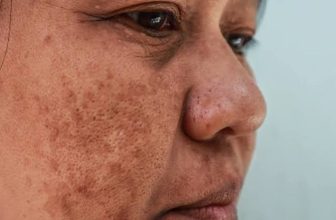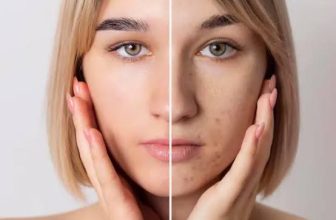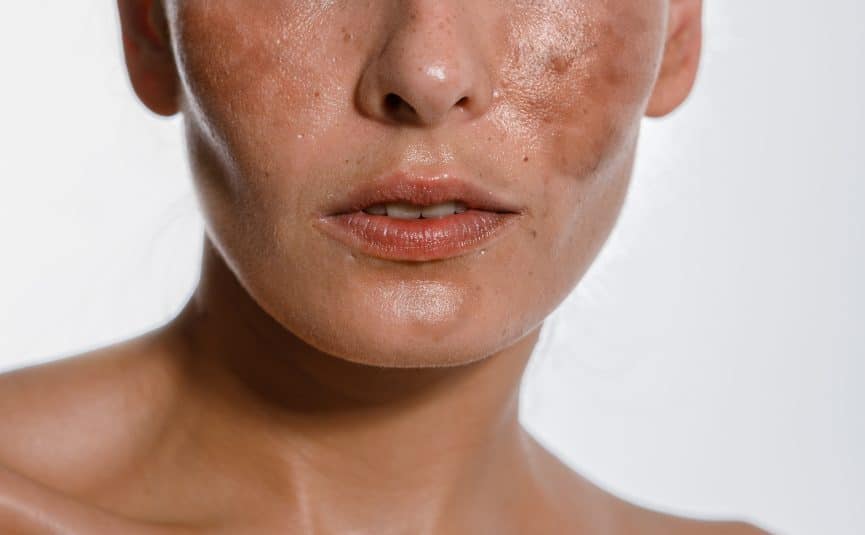
Have you recently looked in the mirror and noticed dark, brownish patches on your cheeks, forehead, or upper lip? If yes, you are not alone. Many women experience these sudden changes in their skin color. This condition is known as chloasma, and it can be incredibly frustrating.
It is completely natural to feel worried or self-conscious when your skin changes. You might feel like hiding behind layers of heavy makeup or feel stressed every time you step out into the sun. Please know that this is a very common issue, and there is nothing to be ashamed of. Your skin is simply reacting to internal or external changes, and there are many safe ways to handle it.
Dealing with skin changes can feel overwhelming, especially with so much conflicting advice online. While some minor spots might fade with time and careful home care, stubborn patches often need expert attention. If home remedies are not helping and this problem keeps coming back, it is a good idea to get it checked by a trained specialist. You can book a consultation with Dr. Pretty Singla at Pretty Skin Clinic, Gurgaon here → https://prettyskin.in/ to get professional guidance tailored to your skin type.
In this guide, we will break down everything you need to know about chloasma. We will look at why it happens, how you can care for your skin at home, and the advanced treatments available to help you get your glowing, even skin tone back.
What is Chloasma Skin Problem?
Chloasma is a common skin condition that causes dark, discolored patches to appear on the skin. It is most frequently seen on the face, particularly on the cheeks, bridge of the nose, forehead, and upper lip. While it can affect anyone, it is far more common in women than in men.
When this condition occurs during pregnancy, it is often called the “mask of pregnancy.” The patches are usually symmetrical, meaning they appear similarly on both sides of the face. They do not cause any physical pain, itching, or harm to your bodily health, but they can deeply affect your self-confidence and emotional well-being.
Why Do Women Get Chloasma?
To find the best treatment for women for chloasma skin problem, we first need to understand why it happens. The dark patches are caused by an overproduction of melanin. Melanin is the natural pigment that gives your skin, hair, and eyes their color. When the cells that make melanin (called melanocytes) become overactive, they produce too much color in certain spots.
Several factors can trigger this overactivity in women:
1. Hormonal Changes
Hormones play a massive role in this condition. Large shifts in hormone levels are the main reason why women are affected much more than men. High levels of estrogen and progesterone can trigger melanin production. This is why the condition frequently shows up during:
-
Pregnancy: When hormone levels skyrocket.
-
Birth Control Pills: Oral contraceptives introduce external hormones to the body.
-
Hormone Replacement Therapy (HRT): Often taken during menopause.
2. Sun Exposure and UV Rays
The sun is the biggest external trigger for chloasma. Ultraviolet (UV) light from the sun stimulates your pigment-producing cells. Even a small amount of sun exposure can make existing patches much darker or cause new ones to appear. This is why the problem often gets worse during the bright summer months and improves slightly during winter.
3. Incorrect or Harsh Skincare Products
If a skincare product irritates your skin, it can cause inflammation. In women with sensitive skin, this inflammation can trigger the overproduction of pigment. Harsh scrubs, strongly scented creams, or chemical products that cause burning or redness can make the patches much worse.
4. Stress and Genetics
High stress levels cause your body to release a hormone called cortisol. Stress can upset your overall hormonal balance, which indirectly worsens skin pigmentation. Additionally, if your mother, sister, or aunt struggled with dark facial patches, you are genetically more likely to develop them too.
Simple Home Care and Lifestyle Changes
Before rushing into heavy clinical procedures, it is important to build a strong foundation of daily skin care. Small, consistent changes in your everyday routine can make a big difference in preventing the patches from darkening further.
Strict Sun Protection
Since UV rays are the main enemy of even skin tone, sun protection is your absolute best defense.
-
Use a broad-spectrum sunscreen with an SPF of 30 or higher every single day.
-
Apply it even if it is cloudy outside or if you are staying indoors, as UV rays can pass through glass windows.
-
Reapply your sunscreen every two to three hours if you are outdoors or sitting near a window.
-
Wear a wide-brimmed hat and sunglasses when walking under direct sunlight to block the rays physically.
Gentle Skincare Routine
Stop using harsh facial scrubs, strong alcohol-based toners, or products that make your skin feel raw and irritated. Switch to a mild, fragrance-free cleanser and a deeply hydrating moisturizer. The calmer and healthier your skin barrier is, the less likely it is to produce excess pigment.
Cool Compresses for Heat Protection
It is not just the sun’s light that triggers pigmentation—heat can do it too. If you spend a lot of time cooking near a hot stove or working in a hot environment, your skin can react. Applying a cool, damp washcloth to your face after being exposed to heat can help soothe the skin and reduce the chance of trigger reactions.
Useful Home Remedies for Skin Brightening
While home remedies may not completely remove deep-set pigmentation, they are excellent, gentle options to help brighten your overall complexion over time. Here are three practical remedies you can try at home using simple, natural ingredients:
1. Aloe Vera Gel
Aloe vera contains a natural compound called aloin, which has been shown to help lighten skin pigmentation naturally.
-
How to use: Extract fresh gel from an aloe vera leaf. Apply it directly to the dark patches before going to bed. Leave it on overnight and wash it off with warm water the next morning. Repeat this daily for a soothing effect.
2. Apple Cider Vinegar (Diluted)
Apple cider vinegar contains acetic acid, which acts like a very mild, natural chemical peel to gently exfoliate the top layer of skin cells.
-
How to use: Mix equal parts of apple cider vinegar and clean water in a small bowl. Apply the mixture to the dark patches using a cotton ball. Leave it on for two to three minutes, then rinse thoroughly with lukewarm water. Never apply it undiluted, as it can cause burns.
3. Turmeric and Milk Paste
Turmeric is widely known for its anti-inflammatory and antioxidant properties. It helps regulate melanin production and brightens dull skin.
-
How to use: Mix one teaspoon of pure turmeric powder with enough raw milk to form a smooth paste. Apply this paste to your face and leave it on for 15 minutes. Wash it off gently with cool water. Use this remedy two to three times a week.
Over-the-Counter (OTC) Options
If home remedies do not provide noticeable results after a few weeks, you can look into mild, over-the-counter skincare creams. Look for topical creams or serums that contain specific active ingredients known to safely reduce pigmentation:
-
Vitamin C: A powerful antioxidant that blocks the pathway of pigment creation and brightens the skin.
-
Kojic Acid: A natural ingredient derived from fungi that helps lighten dark spots safely.
-
Azelaic Acid: A gentle acid that targets overactive pigment cells specifically, making it highly effective for women.
-
Niacinamide (Vitamin B3): Helps prevent the transfer of pigment to the outer layer of the skin while reducing redness.
When trying these products, always perform a patch test on a small area of your jawline first to ensure your skin does not experience an allergic reaction.
Seeking Professional Dermatology Treatment
When dark patches are deeply rooted in the deeper layers of the skin, home care and over-the-counter creams might not be enough. This is when professional medical treatments become necessary. A qualified dermatologist can look closely at your skin, identify how deep the pigmentation goes, and suggest the safest, most effective path forward.
Medical treatments do not offer a permanent, instant cure, but they can guide you on the right treatment plan to significantly fade the patches and keep them from coming back. Professional options often include:
-
Prescription Topical Creams: Higher-strength creams containing ingredients like hydroquinone, retinoids, or mild steroids, which must be used strictly under a doctor’s supervision.
-
Chemical Peels: A safe clinical procedure where a specialized acid solution is applied to remove the damaged outer layers of skin, revealing fresher, evenly pigmented skin underneath.
-
Laser and Light Therapies: Advanced treatments that use targeted light energy to break down the excess melanin clusters in the skin.
-
Microdermabrasion: A gentle clinical exfoliation technique that helps speed up cell turnover and fades superficial dark spots.
Expert Care at Pretty Skin Clinic, Gurgaon
If you are looking for a reliable, personalized approach to resolve your skin concerns, consulting a specialist is the safest choice. Dr. Pretty Singla is a highly qualified and experienced dermatologist who understands how deeply skin conditions can impact a woman’s daily life.
At Pretty Skin Clinic, Gurgaon, patients receive compassionate care designed around their unique skin types and medical histories. Dr. Singla does not believe in a one-size-fits-all solution. She takes the time to analyze your specific triggers—whether they are hormonal, environmental, or lifestyle-related—before recommending any treatment plan.
The clinic focuses on delivering visible, healthy results through safe, scientifically backed methods. By combining gentle home care regimens with advanced clinical options, the clinic helps you manage your skin health effectively without causing unnecessary irritation or damage to your skin barrier.
If home remedies aren’t helping and this problem keeps coming back, it’s a good idea to get it checked by a dermatologist. You can book a consultation with Dr. Pretty Singla at Pretty Skin Clinic, Gurgaon → https://prettyskin.in/
Frequently Asked Questions (FAQs)
1. Does chloasma go away on its own after pregnancy?
In many cases, yes. If your dark patches were triggered purely by the hormonal shifts of pregnancy, they may gradually fade on their own a few months after you give birth or stop breastfeeding. However, for some women, the pigmentation can be stubborn and linger for years, requiring professional treatment to fade completely.
2. What is the difference between chloasma and melasma?
There is actually no major medical difference between the two terms. They refer to the exact same skin condition. Historically, the term “chloasma” was used specifically to describe the dark patches that appear during pregnancy, while “melasma” was used for non-pregnancy cases. Today, dermatologists use both terms interchangeably.
3. Can sunlight make my skin patches permanently darker?
Sunlight will definitely make the patches darker and harder to treat, but the damage is usually not completely permanent if you take action. By starting a strict habit of wearing broad-spectrum sunscreen daily and avoiding peak afternoon sun, you can prevent the spots from worsening and allow brightening treatments to do their job.
4. Is the treatment for this skin problem permanent?
There is no absolute, 100% permanent cure for this condition because your skin cells remember how to make excess pigment. Even if a treatment fades the patches completely, a single day of unprotected sun exposure or a new shift in your hormones can trigger the patches to return. Long-term maintenance and sun protection are key to keeping your skin clear.
5. Can I use makeup to cover the dark patches while undergoing treatment?
Yes, you can absolutely use makeup to conceal the patches while you wait for your treatments to work. Look for non-comedogenic (won’t clog pores) and hypoallergenic foundations or color correctors (like peach or orange correctors, which neutralize brown spots). Just remember to apply your sunscreen first, let it dry completely, and then apply your makeup gently over it.
Conclusion
Finding the best treatment for women for chloasma skin problem requires a mix of patience, consistent daily protection, and the right medical guidance. Remember, your skin did not change overnight, and fading these dark patches will take some time. Start by protecting your skin from the sun every day, keeping your routine gentle, and nourishing your body from the inside out.
You do not have to struggle with stubborn pigmentation alone or feel confused by endless skincare products. If you want a clear, safe, and professional strategy to bring back your natural complexion, expert help is always available.
Take the first step toward healthier, happier skin today. You can book a consultation with Dr. Pretty Singla at Pretty Skin Clinic here → https://prettyskin.in/
Disclaimer: This article is for informational purposes only. Please consult a qualified dermatologist for a proper diagnosis and personalized treatment plan.