If you love working out, running, or playing sports, you know how amazing it feels to push your body. But nothing ruins a great workout faster than a stinging, itchy, red rash. If you get tiny red bumps that burn when you sweat, you are dealing with a heat rash. This problem is incredibly common for active people, but it can be very frustrating.
When you train hard, you sweat hard. Heat rash happens when that sweat gets trapped under your skin instead of evaporating. It can turn a fun morning run or an intense gym session into a painful experience. Your clothes rub against the bumps, the sweat makes it burn more, and all you want to do is stop and scratch.
The good news is that you do not have to give up your active lifestyle. With the right routine, you can keep your skin clear, cool, and comfortable. In this guide, we will break down the best skin care for athletes for heat rash problem, why it happens, how to treat it at home, and when to seek expert help.
If home remedies are not working and your skin remains irritated, getting professional advice can save you weeks of discomfort. You can book a friendly, professional consultation with Dr. Pretty Singla at Pretty Skin Clinic here → https://prettyskin.in/
What Exactly is Heat Rash and Why Do Athletes Get It?
To solve the problem, we first need to understand what is happening to your skin. Heat rash, which doctors call miliaria, is not an infection or a disease. It is simply a case of blocked plumbing in your skin.
How Heat Rash Develops
When your body temperature rises during exercise, your sweat glands go to work. They produce moisture to cool you down. But if you are sweating heavily, or if your clothing blocks the way, your sweat ducts can become clogged.
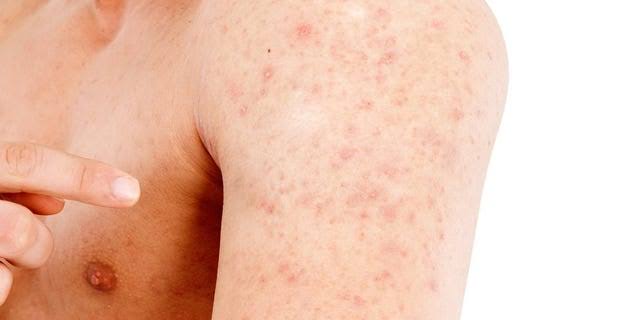
Instead of escaping through your pores, the sweat leaks into the surrounding layers of skin. This trapped sweat causes inflammation, which shows up as tiny, raised, red bumps.
Common Symptoms to Look Out For
-
Tiny red bumps or blisters: These usually appear in clusters where sweat collects.
-
An intense prickly or stinging sensation: It often feels like pins and needles when you start to warm up.
-
Itching and redness: The area can feel warm to the touch and highly irritated.
-
Mild swelling: The skin might look slightly puffy in the affected zones.
Where Athletes Notice It Most
Heat rash loves friction and moisture. For athletes, it most commonly appears in these high-friction areas:
-
The inner thighs and groin area.
-
Under the arms and around the armpits.
-
On the chest and upper back, especially under sports bras or tight jerseys.
-
In the creases of the elbows and behind the knees.
The Main Causes of Heat Rash in Active People
Why does this happen to some athletes more than others? It usually comes down to a combination of environment, clothing choices, and skin type. Understanding these triggers is the first step toward finding the best skin care for athletes for heat rash problem.
-
Tight Synthetic Clothing: Many athletes wear tight compression gear. While it supports your muscles, non-breathable fabrics can trap sweat directly against the skin surface.
-
Hot and Humid Weather: When the air is thick with humidity, your sweat cannot evaporate into the air. It stays on your skin, increasing the risk of clogged pores.
-
Friction and Chafing: Skin rubbing against skin, or skin rubbing against tight clothing, creates micro-damage. This irritation makes it much easier for sweat ducts to become blocked.
-
Heavy Performance Creams: Using thick oils, petroleum-based balms, or heavy sunscreens before a workout can physically block your pores before you even start sweating.
Best Skin Care for Athletes for Heat Rash Problem: Pre-Workout Tips
Preventing a heat rash is much easier than treating one. What you do before you start exercising plays a massive role in keeping your skin safe.
1. Dress in Breathable, Loose Fabrics
Ditch the thick cotton t-shirts. Cotton absorbs sweat and holds it close to your body like a wet blanket. Instead, choose lightweight, moisture-wicking fabrics. Look for materials specifically designed to pull sweat away from your skin so it can evaporate quickly. If you are highly prone to rash, opt for slightly looser cuts rather than skin-tight compression gear.
2. Choose the Right Sunscreen and Creams
Sun protection is vital for outdoor athletes, but the wrong product will trigger a heat rash. Avoid thick, greasy sunscreens. Look for labels that say non-comedogenic (which means it will not clog pores) or oil-free. Water-based sunscreens or lightweight gel formulas are excellent choices for active individuals.
3. Apply Anti-Chafing Powders or Gels Wisely
If friction is your main trigger, apply a thin layer of an anti-chafing gel or a natural, talc-free powder to high-friction zones before you head out. This reduces the mechanical rubbing that damages sweat ducts.
In-Workout and Immediate Post-Workout Care
How you manage your skin during and right after your workout determines how quickly your skin recovers.
Keep a Clean Towel Handy
During your workout, gently pat your skin dry with a clean, soft microfiber towel. Do not rub harshly, as rubbing further irritates skin that is already warm and vulnerable. Gently dabbing away excess sweat helps keep pores clear.
The Golden Rule: Cool Down Fast
The moment your workout ends, your primary goal is to lower your skin temperature.
-
Change out of wet clothes immediately: Do not sit around in your sweaty gym gear. Even if you cannot shower right away, changing into a dry, loose cotton shirt makes a world of difference.
-
Take a cool shower: Hot water opens pores and worsens inflammation. A cool or lukewarm shower washes away sweat, salt, and bacteria while instantly soothing the stinging sensation.
-
Use a gentle, fragrance-free cleanser: Avoid harsh antibacterial soaps that strip your skin barrier. Use a mild, hydrating body wash instead.
Practical Home Remedies and Easy Solutions
If you already have a heat rash flare-up, do not panic. Most mild cases can be managed at home using simple, soothing remedies that do not cost a fortune. Here are three highly effective, practical tips to try:
1. Cool Compresses
Soak a clean washcloth in cold water, wring it out, and lay it over the rash for 10 to 15 minutes. This instantly reduces the swelling, takes away the sting, and cools down the trapped sweat ducts. You can repeat this several times a day.
2. Oatmeal Baths or Soaks
Colloidal oatmeal is famous for its anti-inflammatory properties. You can add finely ground oatmeal to a cool bath and soak for 20 minutes, or mix it with water to create a soothing paste for specific spots. It reduces itching remarkably well.
3. Pure Aloe Vera Gel
Apply a thin layer of pure, fragrance-free aloe vera gel to the affected areas. Aloe vera naturally cools the skin and helps repair the damaged skin barrier. Make sure to avoid products with added artificial perfumes or alcohol, which can cause a burning sensation on broken skin.
Over-the-Counter Options to Look For
When home remedies need a little boost, you can visit your local pharmacy for over-the-counter support.
-
Calamine Lotion: This classic remedy is excellent for heat rash. It contains zinc oxide, which soothes itching and helps dry up the tiny sweat blisters without clogging your pores.
-
Hydrocortisone Cream (0.5% or 1%): For areas that are intensely itchy and red, a mild hydrocortisone cream applied sparingly for a day or two can calm the inflammation down quickly. Do not use it for extended periods without professional guidance.
-
Soothe with Zinc Oxide Powders: Mild, medicated cooling powders can absorb residual moisture during the day, keeping the skin dry and comfortable.
When to See a Professional Dermatologist
While most heat rashes clear up within a few days of cooling down, sometimes the problem persists. If your rash lasts longer than a week, seems to be getting worse, or shows signs of infection (like pus oozing from the bumps, increased swelling, or feeling warm and throbbing), it is time to seek professional medical help.
Repeated heat rash can weaken your skin barrier, making you more prone to bacterial infections and chronic skin irritation. A dermatologist can accurately diagnose whether you are dealing with a standard heat rash, an allergic reaction, or a fungal sweat infection, and provide targeted medical treatments.
Expert Care in Gurgaon: Pretty Skin Clinic
If you are located in or near Gurgaon and struggle with recurring skin issues from your fitness routine, getting an expert opinion is a great step forward. Dr. Pretty Singla at Pretty Skin Clinic, Gurgaon is highly experienced in helping active individuals manage exercise-induced skin conditions.
The clinic takes a thoughtful, personalized approach to dermatological care. Rather than offering one-size-fits-all solutions, Dr. Pretty Singla looks closely at your specific athletic habits, your clothing choices, and your natural skin type. The team focuses on strengthening your skin barrier so you can keep training hard without experiencing painful setbacks.
Whether you need prescription-strength topical treatments to clear an stubborn rash, or a professional guide on building the best skin care for athletes for heat rash problem, they provide clear, scientific, and honest advice.
If home remedies are not helping and this problem keeps coming back, it is a good idea to get it checked by a dermatologist. You can book a consultation with Dr. Pretty Singla at Pretty Skin Clinic, Gurgaon → https://prettyskin.in/
Frequently Asked Questions (FAQs)
How long does it take for an athlete’s heat rash to go away?
In most cases, if you stay cool and avoid sweating, a mild heat rash will fade away naturally within 2 to 3 days. However, if you continue to exercise in hot environments or wear tight clothes, the rash can persist for weeks or become infected.
Can I still work out if I have a heat rash?
It is best to take a break or modify your workouts until the rash clears up. Sweating will cause the trapped ducts to inflame further, leading to more pain and itching. If you must exercise, choose a well-air-conditioned indoor gym and wear very loose clothes.
Is heat rash contagious?
No, heat rash is absolutely not contagious. It is a mechanical blockage of your own sweat ducts caused by heat, friction, and sweat. It cannot spread from person to person.
Can I use heavy moisturizing lotions on my heat rash?
No, you should avoid heavy, oily, or greasy moisturizers on a heat rash. Thick creams will seal your pores, trapping the sweat even further and making the rash significantly worse. Stick to lightweight gels, calamine lotion, or light, water-based fluids.
Practical Takeaways for Clear Skin
Dealing with irritated skin should never stand between you and your fitness goals. By making a few smart adjustments to your workout routine, you can protect your skin and stay comfortable all year round.
Remember these essential steps for the best skin care for athletes for heat rash problem:
-
Swap out tight, heavy cotton clothing for loose, high-quality moisture-wicking athletic gear.
-
Lower your skin temperature immediately after a workout with a cool shower and clean, dry clothes.
-
Keep your pre-workout skin care minimal, using only non-comedogenic sunscreens and oil-free formulations.
-
Give your skin time to rest and heal if you notice a flare-up beginning to form.
Your skin works incredibly hard to protect you while you train. Giving it a little extra care and keeping it cool will ensure you stay at the top of your game without the discomfort of heat rash.
If you are tired of dealing with painful rashes after every workout and want a personalized skin plan that works, consider consulting an expert. You can book a helpful, friendly consultation with Dr. Pretty Singla at Pretty Skin Clinic here → https://prettyskin.in/
Disclaimer: This article is for informational purposes only. Please consult a qualified dermatologist for a proper diagnosis and personalized treatment plan.