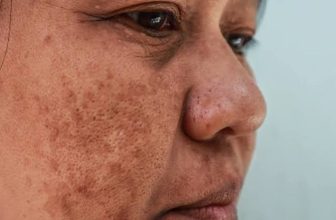
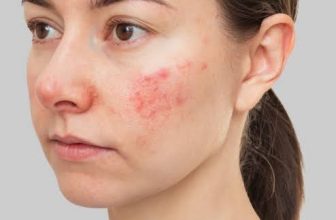
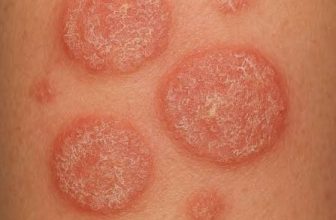
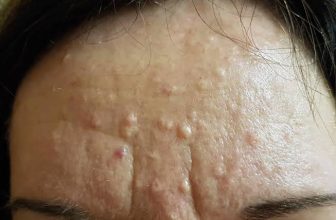
Rosacea can be frustrating, especially when your skin suddenly becomes red, hot, or covered with small bumps without warning. One day your skin looks calm, and the next day it feels irritated after spending time in the sun, drinking a hot cup of coffee, eating spicy food, or dealing with stress. These flare-ups can affect your confidence and make everyday life uncomfortable.
The good news is that rosacea can often be managed with the right care. Learning what triggers your flare-ups and following a gentle skincare routine can make a big difference. While many people find relief through simple lifestyle changes, some continue to experience frequent redness and irritation despite their best efforts.
If your rosacea keeps coming back or home remedies are no longer helping, it is a good idea to consult a qualified dermatologist. You can book a consultation with Dr. Pretty Singla at Pretty Skin Clinic, Gurgaon here → https://prettyskin.in/
In this guide, you’ll learn about the best treatment for adults for rosacea flare-ups problem, what causes flare-ups, practical home care tips, medical treatment options, and when it’s time to seek professional help.
What Is Rosacea?
Rosacea is a long-term skin condition that mainly affects the face. It often causes:
- Redness across the cheeks and nose
- Flushing that comes and goes
- Small red bumps or pimples
- Burning or stinging sensation
- Visible tiny blood vessels
- Sensitive skin that reacts easily
Rosacea usually develops in adults over the age of 30, but younger adults can also experience it.
The condition is not contagious, and it is not caused by poor hygiene. It is simply a skin condition that needs proper care and management.
What Is a Rosacea Flare-Up?
A flare-up is a period when your rosacea symptoms suddenly become worse.
During a flare-up, you may notice:
- Increased facial redness
- Warm or burning skin
- New bumps or pimples
- Skin dryness
- Swelling
- Greater skin sensitivity
Flare-ups may last for a few hours, several days, or even weeks depending on the trigger and how quickly treatment begins.
Why Do Rosacea Flare-Ups Happen?
There isn’t one single cause of rosacea. Instead, several factors can trigger symptoms.
Common triggers include:
- Sun exposure
- Hot weather
- Cold winds
- Stress and anxiety
- Spicy foods
- Alcohol
- Hot drinks
- Heavy exercise
- Certain skincare products
- Strong fragrances
- Harsh soaps
- Smoking
Each person has different triggers. Keeping a symptom diary can help you identify what causes your flare-ups.
Common Symptoms Adults Should Never Ignore
Many people mistake rosacea for acne or simple skin sensitivity.
Some common symptoms include:
- Constant facial redness
- Frequent flushing
- Red bumps without blackheads
- Dry, rough patches
- Burning after using skincare products
- Eye irritation or watery eyes
- Visible blood vessels around the nose and cheeks
If these symptoms continue for several weeks, it’s worth getting them checked by a dermatologist.
Why Early Treatment Matters
Rosacea usually doesn’t go away on its own.
Without proper care:
- Flare-ups may become more frequent.
- Redness can become permanent.
- Blood vessels may become more noticeable.
- Skin sensitivity can increase.
- Daily skincare becomes more difficult.
Starting treatment early often helps reduce future flare-ups and improves overall skin comfort.
Best Treatment for Adults for Rosacea Flare-Ups Problem
The best treatment for adults for rosacea flare-ups problem usually combines skincare, lifestyle changes, trigger avoidance, and medical treatment when needed.
Let’s look at each option.
Gentle Daily Skincare
Rosacea-prone skin needs extra care.
Choose products that are:
- Fragrance-free
- Alcohol-free
- Non-comedogenic
- Made for sensitive skin
A simple routine usually works best.
Morning:
- Gentle cleanser
- Moisturizer
- Broad-spectrum SPF 30+ sunscreen
Night:
- Gentle cleanser
- Moisturizer
- Dermatologist-recommended treatment (if prescribed)
Avoid scrubbing your face or using harsh exfoliants.
Protect Your Skin From the Sun
Sunlight is one of the biggest rosacea triggers.
Try to:
- Wear sunscreen every day
- Use a wide-brim hat outdoors
- Stay in the shade when possible
- Reapply sunscreen every two hours
Mineral sunscreens with zinc oxide are often better tolerated by sensitive skin.
Identify Your Personal Triggers
Everyone’s rosacea is different.
Keep track of:
- Foods you eat
- Weather conditions
- Skincare products
- Stress levels
- Exercise routines
Once you know your triggers, you can reduce future flare-ups more effectively.
Home Remedies That May Help
Home care cannot cure rosacea, but it may help calm mild symptoms.
Apply a Cool Compress
A clean, cool cloth placed gently on the face may reduce burning and redness.
Avoid ice directly on the skin.
Use a Gentle Moisturizer
Keeping the skin barrier healthy helps reduce irritation.
Look for moisturizers containing:
- Ceramides
- Glycerin
- Hyaluronic acid
Reduce Stress
Stress is a common trigger.
Helpful stress-management techniques include:
- Deep breathing
- Meditation
- Yoga
- Walking
- Good sleep habits
These simple habits may reduce flare-ups over time.
Over-the-Counter Products
Some products available without a prescription may help sensitive skin.
These include:
- Gentle moisturizers
- Mineral sunscreen
- Mild cleansers
- Barrier repair creams
Be careful when trying new skincare.
Always patch test first.
Avoid products containing:
- Alcohol
- Menthol
- Strong fragrances
- Witch hazel
- Harsh acids unless recommended by a dermatologist
Professional Dermatology Treatments
When rosacea becomes frequent or severe, home care alone may not be enough.
A dermatologist can recommend treatment based on your skin type and symptoms.
Possible treatments include:
Prescription Creams
Doctors may prescribe creams or gels that help reduce redness and inflammation.
Oral Medicines
Some adults benefit from short-term oral medications when flare-ups are severe.
Laser or Light Therapy
Visible blood vessels and persistent redness may improve with dermatologist-recommended laser or light treatments in suitable patients.
Personalized Skincare Plan
A dermatologist can help you avoid products that worsen rosacea and recommend a routine that matches your skin’s needs.
When Should You See a Dermatologist?
You should consider seeing a dermatologist if:
- Redness keeps coming back.
- Home remedies don’t help.
- Your skin burns or stings often.
- You develop painful bumps.
- Your eyes become irritated.
- Your confidence is affected by persistent redness.
Professional advice can help prevent symptoms from getting worse.
Dr. Pretty Singla and Pretty Skin Clinic, Gurgaon
If you’re searching for expert care for recurring rosacea flare-ups, Dr. Pretty Singla at Pretty Skin Clinic, Gurgaon offers personalized dermatology consultations for various skin concerns, including rosacea.
Rather than following a one-size-fits-all approach, a qualified dermatologist evaluates:
- Your skin type
- Your flare-up triggers
- Medical history
- Severity of symptoms
- Previous treatments you’ve tried
Based on this evaluation, treatment may include prescription medications, skincare recommendations, trigger management, and other suitable dermatological procedures when needed.
Seeking professional advice is especially important if your redness keeps returning or your symptoms interfere with your daily life.
If home remedies aren’t helping and your rosacea continues to flare up, you can book a consultation with Dr. Pretty Singla at Pretty Skin Clinic, Gurgaon here → https://prettyskin.in/
Everyday Tips to Reduce Rosacea Flare-Ups
Small daily habits can make a big difference.
Try to:
- Wash your face with lukewarm water.
- Avoid very hot showers.
- Wear sunscreen daily.
- Moisturize regularly.
- Stay hydrated.
- Limit spicy foods if they trigger symptoms.
- Drink alcohol in moderation or avoid it if it causes flare-ups.
- Manage stress through relaxation techniques.
- Avoid rubbing your face.
- Introduce new skincare products one at a time.
Consistency is often more important than using many products.
Mistakes That Can Make Rosacea Worse
Many people accidentally worsen their symptoms.
Avoid:
- Scrubbing your skin
- Using harsh exfoliants
- Trying too many skincare products at once
- Ignoring sunscreen
- Picking bumps
- Using steroid creams without medical advice
- Washing your face with very hot water
Gentle care is usually the best approach.
Can Rosacea Be Cured?
There is currently no permanent cure for rosacea.
However, many adults successfully control their symptoms with:
- Proper skincare
- Trigger avoidance
- Healthy lifestyle habits
- Dermatologist-guided treatment
With the right approach, flare-ups often become less frequent and easier to manage.
Frequently Asked Questions
Is rosacea the same as acne?
No. Although rosacea may cause red bumps, it is a different skin condition. Rosacea usually does not cause blackheads or whiteheads like acne.
What is the best treatment for adults for rosacea flare-ups problem?
The best treatment for adults for rosacea flare-ups problem often combines gentle skincare, sunscreen, avoiding triggers, and dermatologist-prescribed treatments when needed.
Can stress make rosacea worse?
Yes. Emotional stress is a common trigger for many people with rosacea.
Can I wear makeup if I have rosacea?
Yes. Choose fragrance-free, non-irritating makeup designed for sensitive skin, and remove it gently at the end of the day.
When should I visit a dermatologist?
If redness keeps returning, symptoms become painful, or home care is no longer helping, it’s time to seek professional advice.
Conclusion
Living with rosacea can be challenging, but it doesn’t have to control your life. Understanding your triggers, following a gentle skincare routine, protecting your skin from the sun, and making simple lifestyle changes can greatly reduce flare-ups over time.
The best treatment for adults for rosacea flare-ups problem is usually a combination of consistent daily care and professional medical guidance when symptoms become persistent. Early treatment can help manage redness, improve skin comfort, and reduce future flare-ups.
If your rosacea keeps returning despite careful home care, consider booking a consultation with Dr. Pretty Singla at Pretty Skin Clinic, Gurgaon to receive a personalized treatment plan that suits your skin → https://prettyskin.in/