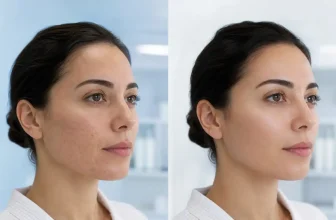
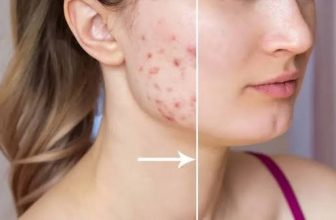
If you run your fingers across your forehead, cheeks, or chin and feel dozens of tiny, rough bumps, you are not alone.
These bumps do not usually hurt, they do not turn red, and they do not have a pus-filled head that you can pop. Instead, they just sit there under your skin, making your face feel uneven and rough, especially when the light hits it from the side.
In the skincare world, these annoying little bumps are known as closed comedones. For many teenagers, they are a massive source of frustration. You might feel like you are doing everything right—washing your face twice a day, using clean towels, and trying every viral skincare trend on TikTok—only for the bumps to stay exactly where they are.
Because these bumps are trapped completely under a layer of skin, typical scrubs and foaming face washes cannot reach them. But do not worry. This is a very common issue, and it is entirely treatable.
Understanding why these bumps form is the secret to clearing them up. If you are tired of guessing which products will work and want a professional, safe plan to clear your skin, you can book a consultation with Dr. Pretty Singla at Pretty Skin Clinic here → https://prettyskin.in/ to get expert guidance.
Let’s break down exactly what these bumps are, why they appear during your teenage years, and how to get your smooth skin back.
What is a Closed Comedon?
To solve the closed comedones problem, we first need to understand what we are dealing with.
A comedon is simply a clogged hair follicle (or pore) on your face.
-
-
When a pore is open and exposed to the air, the trapped oil and dirt turn dark. This is what we call a blackhead (or open comedon).
-
When the pore is completely covered by a thin layer of skin cells, the trapped oil and dead skin remain white or flesh-colored. This is a closed comedon (often called a “whitehead” or “under-the-skin bump”).
-
Because there is a layer of skin trapping everything inside, these bumps do not easily empty out on their own. They can stay on your face for weeks, or even months, without changing.
Why Do Teenagers Get Closed Comedones?
Your teenage years are a time of massive change, and your skin is often the first place to show it. Here is why teenagers are highly prone to developing this specific skin issue:
1. Teenage Hormones and Excess Oil
During puberty, your body produces higher levels of hormones called androgens. These hormones send a signal to your sebaceous glands (the tiny oil factories under your skin) to start producing a lot more oil, known as sebum.
When your skin produces too much sebum, the excess oil mixes with shedding dead skin cells. This sticky mixture gets trapped inside your narrow pores, building up and forming a plug.
2. Slow Skin Cell Turnover
Your skin is constantly renewing itself by shedding old, dead cells and growing new ones. However, during your teenage years, this shedding process can sometimes get “sticky.”
Instead of falling away, dead skin cells clump together on the surface of your face. They act like a lid, sealing the excess oil inside your pores and creating the perfect environment for closed comedones.
3. Using the Wrong Skincare or Makeup Products
It is very easy to get swept up in viral beauty trends. However, many thick moisturizers, heavy foundations, and pore-clogging sunscreens contain ingredients that are comedogenic (pore-clogging).
When you apply these heavy products to teenage skin that is already producing lots of oil, you are essentially sealing your pores shut.
4. Sweating from Sports and Activities
If you play sports, dance, or exercise regularly, sweat can easily mix with daily oil, makeup, and dirt on your face.
If you let sweat sit on your skin for too long after a workout, or if you wear tight helmets, sweatbands, or caps, the friction and moisture can trap oil deep inside your pores, leading to breakouts along your forehead and hairline.
Why Surface Scrubs and Popping Make It Worse
When you feel rough bumps on your face, your first instinct might be to scrub them away with a harsh physical face scrub or to squeeze them. This is the biggest mistake you can make.
The Danger of Physical Scrubs
Using harsh scrubs with rough beads or shells will not unclog a closed pore. Instead, the friction will tear the delicate outer layer of your skin, cause micro-tears, spread bacteria, and make your skin red and inflamed.
What started as a collection of harmless, small bumps can quickly turn into painful, swollen, red acne pimples because of over-scrubbing.
The Danger of Squeezing and Popping
Because there is no open “head” to a closed comedon, squeezing it with your fingers forces the trapped oil and dead skin deeper into your skin tissue.
This causes the follicle wall to rupture beneath the surface, leading to severe inflammation, infection, and deep acne scars that are incredibly difficult to remove later in life.
Practical Home Care Tips for Teenagers
Before running to buy expensive treatments, there are several simple lifestyle shifts you can make at home to help calm your skin down and prevent new bumps from forming.
1. Wash Your Face After Sweating
Never let sweat dry on your face. If you have gym class, sports practice, or a workout, wash your face with a gentle cleanser immediately afterward. If you cannot wash your face right away, carry gentle, fragrance-free facial wipes in your bag to wipe away surface sweat.
2. Double-Check Your Hair Products
Do you have bumps primarily on your forehead or along your hairline? Your hair products might be the secret culprit.
Heavy hair oils, styling gels, pomades, and thick conditioners can easily drip onto your forehead when you sweat or sleep. Try to use water-based hair products, keep hair styling products away from your hairline, and wash your face after rinsing out your hair conditioner in the shower.
3. Clean Your Makeup Brushes
If you wear makeup, your brushes and sponges can hold onto a massive amount of old oil, dead skin, and bacteria. Wash your makeup tools at least once a week with a gentle soap or brush cleanser to avoid reapplying old dirt directly onto your clean pores.
4. Switch to a Silk or Cotton Pillowcase
Your face rests on your pillowcase for 7 to 8 hours every night. Over time, your pillowcase absorbs oils from your hair and skin, along with leftover product. Wash or change your pillowcases at least once a week to keep your sleeping surface fresh and clean.
Best Over-the-Counter (OTC) Ingredients to Look For
If you want to clear away closed comedones, you need to use ingredients that can gently dissolve the “glue” holding your dead skin cells together. Here are the best ingredients to look for in teenage skincare products:
Salicylic Acid (BHA)
Salicylic acid is a oil-soluble ingredient. This means it can actually bypass the surface oil on your skin and penetrate deep inside your pores to dissolve the trapped mixture of sebum and dead skin cells. Look for a gentle cleanser or a leave-on serum containing 1% to 2% salicylic acid.
Glycolic Acid or Lactic Acid (AHAs)
Unlike BHAs, Alpha Hydroxy Acids (AHAs) work on the very surface of your skin. They gently dissolve the dead skin cells that act as a “lid” over your pores. Using a gentle AHA toner once or twice a week can help sweep away the dull, sticky skin buildup.
Retinoids (Adapalene)
Adapalene is a powerful topical retinoid available over-the-counter. It works by telling your skin cells to renew themselves at a normal, healthy rate. This prevents dead skin cells from clumping together and blocking your pores in the first place.
Note: When starting a retinoid, use it only 2-3 times a week at night, and always wear sunscreen during the day, as it makes your skin more sensitive to the sun.
Finding the Best Skin Treatment for Teenagers for Closed Comedones Problem
While home care and OTC ingredients are a great starting point, teenage skin can be highly sensitive and easily irritated. Using too many active acids at once can damage your skin barrier, leading to dryness, peeling, and even more breakouts.
This is why consulting a skin doctor is often the fastest, safest, and best skin treatment for teenagers for closed comedones problem areas.
A professional dermatologist can examine your skin under a special light, identify the exact cause of your clogged pores, and build a safe, structured routine that clears your skin without causing damage.
Here are the professional, in-clinic treatments that a dermatologist may recommend to clear closed comedones:
1. Professional Medical Extractions
Unlike popping pimples at home, a dermatologist or trained clinical aesthetician can perform medical extractions using sterile tools in a clean environment.
They use a special technique to gently open the top layer of the closed comedon and safely press out the trapped oil plug without causing any tearing, infection, or scarring.
2. Clinical Chemical Peels
Dermatologists use specialized, medical-grade chemical peels (such as mild salicylic acid or glycolic acid peels) that are much more effective than home products.
These peels exfoliate the skin deeply, clear out congested pores, and leave your skin feeling incredibly smooth and refreshed after just a few sessions.
3. Prescription-Strength Topical Treatments
If your closed comedones are stubborn, a doctor can prescribe stronger, highly effective topical treatments (like prescription-strength Tretinoin or customized combination gels) that are specifically formulated to target deep pore congestion.
Expert Care in Gurgaon: Dr. Pretty Singla and Pretty Skin Clinic
If you are looking for a safe, welcoming, and highly effective solution for your teenager’s skin, Dr. Pretty Singla at Pretty Skin Clinic in Gurgaon is one of the most trusted names in dermatology.
At Pretty Skin Clinic, we understand that teenage years can be stressful, and struggling with your skin only adds to that stress. Dr. Pretty Singla does not believe in harsh, aggressive treatments that strip the skin’s natural moisture. Instead, her clinic focuses on gentle, medically backed solutions that heal the skin barrier while clearing away deep pore congestion.
During your consultation, Dr. Pretty Singla will carefully evaluate your teenager’s skin type, daily habits, and current products. She will help design a simple, easy-to-follow skincare routine and may suggest gentle in-clinic treatments like medical extractions or mild peels to speed up the clearing process safely.
If home remedies aren’t helping and these stubborn bumps keep coming back, it’s a good idea to get it checked by a professional. You can book a consultation with Dr. Pretty Singla at Pretty Skin Clinic, Gurgaon here → https://prettyskin.in/
Frequently Asked Questions (FAQs)
1. Are closed comedones the same as fungal acne?
No, they are different. While both look like tiny, uniform bumps on the skin, closed comedones are caused by trapped oil and dead skin cells. Fungal acne is actually an overgrowth of yeast in the hair follicles and is often very itchy. A dermatologist can easily tell the difference and give you the correct treatment.
2. Can I use a scrub to wash away closed comedones?
No, you should avoid physical scrubs. Because closed comedones sit under a layer of skin, physical scrubbing will not unclog them. It will only irritate your skin barrier, cause redness, and potentially turn those simple bumps into inflamed, painful red pimples.
3. How long does it take for closed comedones to clear up?
Patience is key when treating clogged pores. Because these bumps sit deep under the skin, it usually takes about 4 to 8 weeks of consistent, proper skincare (like using salicylic acid or retinoids) to start seeing a noticeable smoothing of your skin texture.
4. Will these bumps turn into regular pimples?
They can. If bacteria gets trapped inside a closed comedon, or if you irritate the area by picking, scratching, or squeezing it, the pore can easily become inflamed. This turns the small, painless bump into a red, swollen, and painful acne pimple.
5. Can teenagers wear makeup if they have closed comedones?
Yes, but you must choose your makeup wisely. Look for products that are labeled “non-comedogenic” (which means they will not clog pores), oil-free, and lightweight. Always make sure to thoroughly double-cleanse your face at night to remove every trace of makeup before going to bed.
Conclusion and Next Steps
Dealing with a forehead or face full of tiny, rough bumps can be incredibly frustrating, especially when you are trying your best to take care of your skin. But remember, finding the best skin treatment for teenagers for closed comedones problem is completely possible once you move away from harsh physical scrubs and focus on gentle, pore-clearing ingredients.
By keeping your routine simple, washing your face gently after sweating, using the right active ingredients, and avoiding the urge to pop or pick, you can guide your skin back to a smooth, healthy, and glowing state.
If you are ready to stop guessing with random skincare products and want a safe, personalized, and expert plan designed to clear your teenager’s skin, we are here to support you every step of the way. You can book a consultation with Dr. Pretty Singla at Pretty Skin Clinic, Gurgaon → https://prettyskin.in/
Disclaimer: This article is for informational purposes only. Please consult a qualified dermatologist for a proper diagnosis and personalized treatment plan.